

Why Use PVC Wall Panels in High-Hygiene Areas
Updated: Feb 9
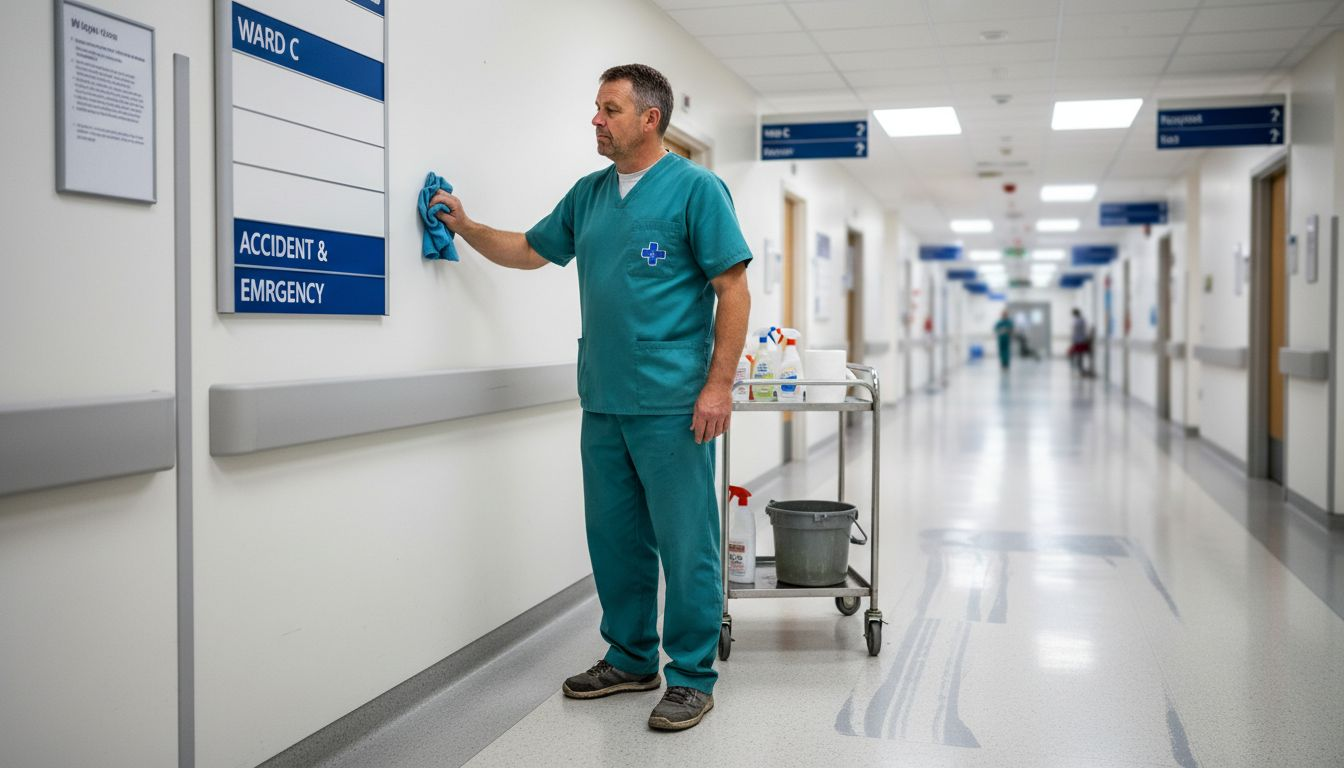
The Benefits of Using PVC Wall Panels in High-Hygiene Areas
Keeping clinical and food preparation areas compliant with strict UK hygiene regulations can feel like a constant challenge, especially in high-traffic spaces. Facility managers know that grime, moisture, and impact damage threaten both cleanliness and operational safety. That is why selecting a seamless, non-porous wall solution matters so much for effective infection control and easy maintenance. Learn how the latest PVC wall panels offer a practical balance of robust durability, minimal upkeep, and design flexibility tailored for British healthcare or food service environments.
Table of Contents
What Are PVC Wall Panels? Essential Facts
Comparing Types and Styles for Commercial Use
Key Benefits for Healthcare and Food Sectors
Installation, Maintenance and Regulatory Standards
Costs, Lifespan, and Common Alternatives
Key Takeaways
Point | Details |
Versatile Cladding Solution | PVC wall panels offer durable, hygienic cladding options for various commercial environments, including healthcare and food sectors. |
Various Types Available | Rigid panels provide strength for high-traffic areas, while flexible panels adapt to complex designs, enhancing installation flexibility. |
Hygiene Benefits | Seamless surfaces minimise bacterial growth and simplify cleaning, making them ideal for infection-prone settings. |
Long Lifespan | With proper maintenance, PVC wall panels can last 15-25 years, offering a cost-effective solution over time. |
What Are PVC Wall Panels? Essential Facts
PVC wall panels are versatile interior cladding materials engineered from polyvinyl chloride, a lightweight and robust plastic designed for hygienic environments. These innovative panels provide a seamless, moisture-resistant solution for spaces requiring stringent cleanliness standards.
The technical specifications of PVC wall panels reveal their remarkable engineering. PVC panels feature impressive technical characteristics including:
Density range between 1.3 to 1.5 g/cm³
Tensile strength from 30 to 60 MPa
Temperature resistance from -10°C to 60°C
Thickness variations between 4mm to 10mm
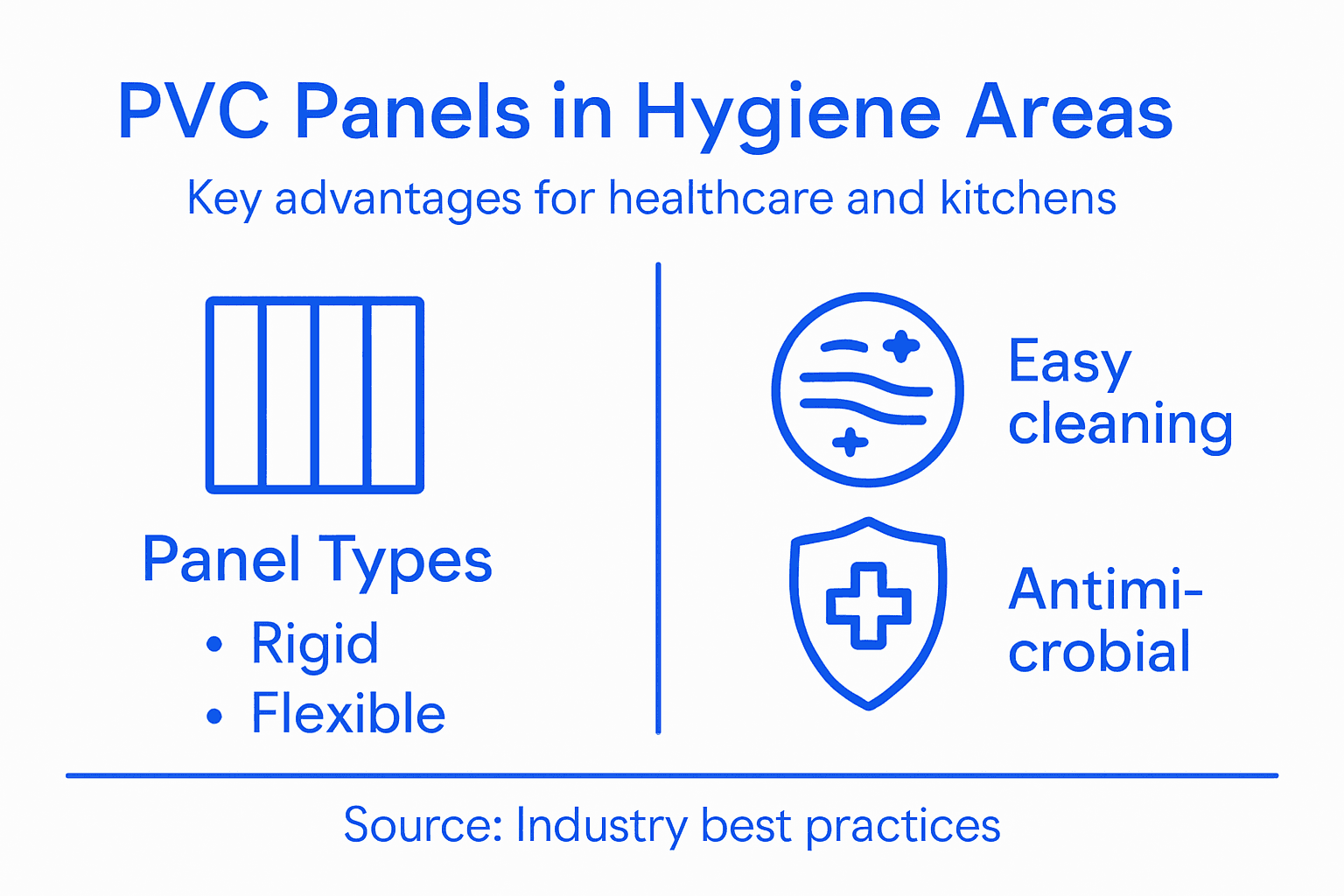
Two primary panel types dominate the market: rigid and flexible variants. Rigid panels offer superior strength and corrosion resistance, ideal for high-traffic commercial environments. Flexible panels provide excellent adaptability, enabling installation on curved surfaces and complex architectural designs.
Manufacturers produce these panels through a sophisticated process involving multiple layers: a PVC substrate, decorative film, and a protective wear-resistant surface. This multilayered construction ensures durability, aesthetic versatility, and long-lasting performance.
Design possibilities are extensive, with panels available in numerous finishes including:
Solid colour options
Wood grain textures
Stone-like effects
Metallic finishes
Custom printed designs
PVC wall panels represent a perfect blend of functionality, hygiene, and aesthetic flexibility for modern commercial spaces.
Pro tip: Always verify panel specifications against your specific environmental requirements to ensure optimal performance and longevity.
Comparing Types and Styles for Commercial Use
Commercial PVC wall panels represent a versatile solution for businesses seeking durable, hygienic interior cladding. PVC panels offer diverse technical configurations tailored to specific environmental requirements, making them invaluable for various professional settings.
Two primary panel categories dominate commercial applications:
Rigid Panels
Highest strength and corrosion resistance
Ideal for high-traffic commercial environments
Optimal for laboratories, hospitals, and industrial spaces
Smooth finish ensuring easy cleaning
Flexible Panels
Enhanced adaptability for curved surfaces
Lighter weight construction
Good moisture resistance
Suitable for complex architectural designs
Panel dimensions typically range strategically to accommodate different installation needs:
Thickness: 4mm to 10mm
Width: 200-300mm
Length: 2.5m to 3m
Design versatility is another significant advantage, with commercial styles including:
Solid colour options
Wood grain textures
Stone-like effects
Metallic finishes
Custom printed designs
Finish variations further expand aesthetic possibilities, ranging from glossy to matte surfaces that can complement diverse interior design schemes.
Commercial PVC wall panels combine functional performance with aesthetic flexibility, making them a superior cladding solution for professional environments.
Pro tip: Select panel types based on specific environmental stress factors and anticipated maintenance requirements to ensure optimal long-term performance.
Key Benefits for Healthcare and Food Sectors
Hygienic wall cladding represents a critical infrastructure solution for environments demanding stringent cleanliness standards. Hygienic PVC wall panels offer exceptional bacterial resistance that make them indispensable in healthcare and food preparation settings.
Key advantages for these high-risk environments include:
Seamless surface design preventing bacterial colonisation
Resistance to mould and microbial growth
Ability to withstand intensive cleaning protocols
Chemical and impact resistance
Simple decontamination procedures
In healthcare facilities, these panels play a crucial role in preventing hospital-acquired infections. Their non-porous surfaces create an inhospitable environment for pathogens, significantly reducing cross-contamination risks. Smooth, jointless installations eliminate traditional cleaning challenges associated with grouted or textured wall surfaces.
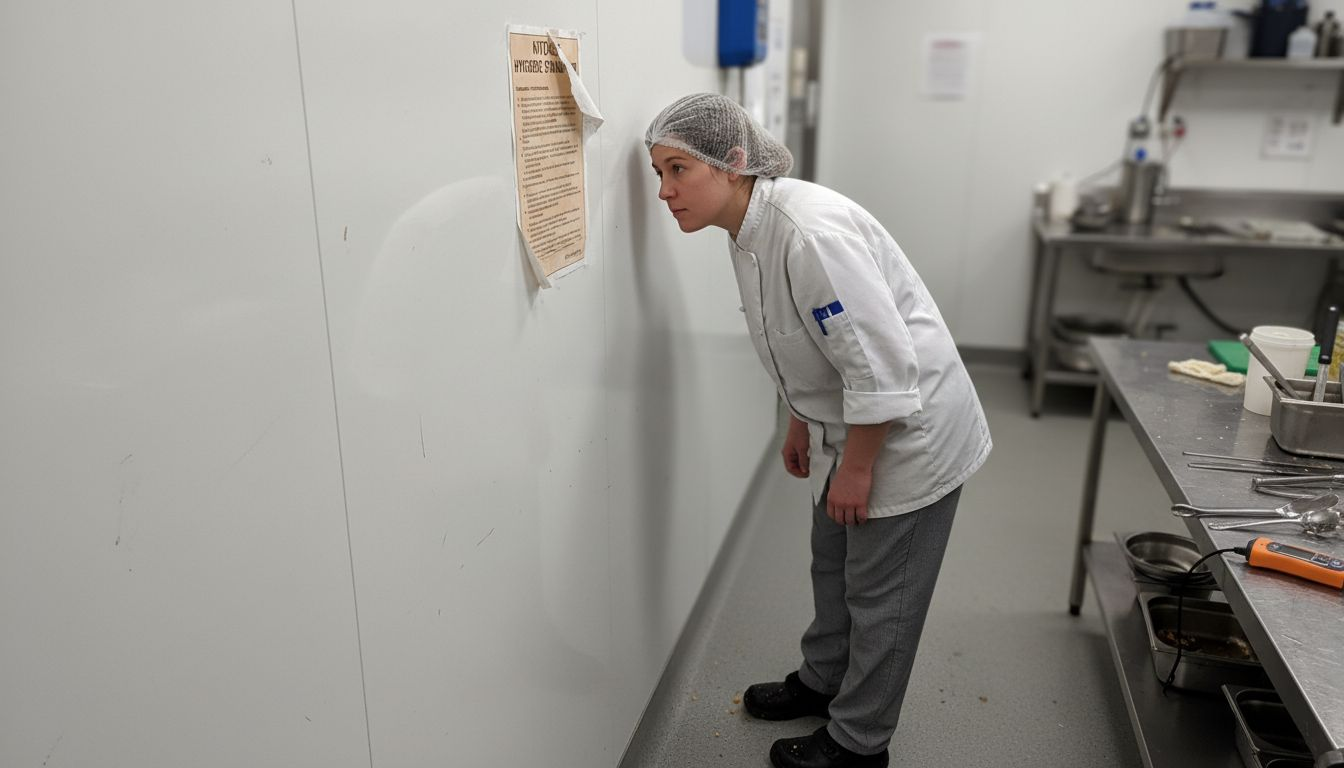
The table below highlights how PVC wall panel features benefit businesses in high-regulation sectors:
Feature | Business Impact | Typical Application |
Seamless Surface | Reduces contamination risk | Hospitals, laboratories |
Moisture Resistance | Supports effortless cleaning | Food processing areas |
Chemical Resistance | Allows regular sanitisation | Kitchens, clinics |
Customisable Design | Enhances brand aesthetic | Reception areas |
For food processing environments, PVC wall panels deliver comprehensive protection:
Meet strict hygiene regulations
Prevent bacterial infiltration
Enable rapid sanitisation
Resist corrosive cleaning chemicals
Maintain aesthetic professional appearance
Hygienic wall cladding transforms institutional spaces from potential infection zones to defendable, cleanable environments.
Pro tip: Select wall panels with specific antimicrobial properties and validate their compliance with relevant industry sanitisation standards.
Installation, Maintenance and Regulatory Standards
PVC wall cladding installation demands precision and expertise to ensure optimal performance in high-hygiene environments. Hygienic PVC wall cladding requires expert fitting with specific techniques to create seamless, bacteria-resistant surfaces.
Critical installation considerations include:
Precise measurement and cutting
Seamless trim integration
Gap-free surface preparation
Appropriate adhesive selection
Professional alignment techniques
Maintenance protocols for PVC wall panels are straightforward but crucial for long-term performance. Recommended cleaning practices involve:
Using mild, non-abrasive detergents
Avoiding harsh chemical cleaners
Implementing regular sanitisation routines
Inspecting for potential damage or wear
Maintaining surface integrity
Regulatory compliance represents a fundamental aspect of wall cladding selection in healthcare and food processing sectors. Panels must meet stringent standards including:
Mould and mildew resistance
Fire safety regulations
Infection control guidelines
Hygiene performance certifications
Chemical resistance standards
Proper installation and maintenance transform wall cladding from a simple surface covering to a critical infection control mechanism.
Pro tip: Consult manufacturer specifications and engage professional installers to ensure complete regulatory compliance and optimal performance.
Costs, Lifespan, and Common Alternatives
PVC wall cladding represents a strategic investment for facility managers seeking long-term hygienic solutions. The initial cost must be evaluated against substantial long-term benefits, including reduced maintenance expenses and extended infrastructure durability.
Cost considerations for PVC wall panels typically involve:
Initial material and installation expenses
Long-term maintenance requirements
Replacement frequency
Energy efficiency contributions
Cleaning and sanitisation costs
Lifespan expectations for high-quality PVC wall panels are impressive, with professional-grade installations potentially lasting 15-25 years when properly maintained. Factors influencing longevity include:
Initial material quality
Professional installation techniques
Environmental stress levels
Cleaning and maintenance protocols
Exposure to chemical or mechanical damage
Common wall covering alternatives each present distinct limitations:
Here is a summary comparing PVC wall panels with popular alternative wall coverings in terms of performance and suitability for commercial use:
Material Type | Hygiene Performance | Installation Complexity | Maintenance Needs | Long-Term Durability |
PVC Wall Panels | Highly resistant to bacteria | Quick and seamless | Low; occasional cleaning | Up to 25 years |
Ceramic Tiles | Susceptible to grout issues | Labour-intensive | Frequent re-grouting | Moderate; grout fails |
Stainless Steel | Excellent; non-porous | Professional tools needed | Specialised cleaning | Very durable |
Painted Plaster | Low; absorbs bacteria | Simple but not hygienic | Frequent repainting | Short; prone to wear |
Fibreglass Panels | Moderate bacterial defence | Moderate | Can degrade over time | Limited |
Ceramic tiles: Higher installation costs, prone to grout deterioration
Stainless steel: Expensive, cold aesthetic, complex installation
Painted walls: Frequent repainting, less hygienic, higher long-term maintenance
Fibreglass panels: Limited chemical resistance, potential degradation
Selecting the right wall cladding involves balancing immediate costs with long-term performance and hygiene requirements.
Pro tip: Conduct a comprehensive total cost of ownership analysis, considering maintenance, replacement, and cleaning expenses beyond initial installation.
Elevate Hygiene Standards with Expert PVC Wall Panel Solutions
Maintaining impeccably hygienic surfaces in healthcare, food preparation, and commercial kitchens is no easy task. The challenges of seamless installations, moisture resistance, and bacterial control discussed in the article can overwhelm facility managers and contractors alike. At Hygienic Sheets, we understand these critical pain points and offer a comprehensive selection of high-quality PVC wall panels and accessories designed to meet strict hygiene regulations while providing durable, low-maintenance solutions.
Discover a wide range of styles, colours, and finishes tailored for demanding environments alongside expert advice on installation and maintenance. Take advantage of our fast nationwide delivery and competitive pricing to ensure your project proceeds without delay. To explore how hygienic PVC wall cladding can transform your facility into a cleaner, safer space, visit our product range and start your order today.
Trust in professional-grade materials and reliable service for peace of mind in your high-hygiene projects. Act now to safeguard your environment with proven PVC wall solutions.
Frequently Asked Questions
What are PVC wall panels and why are they used in high-hygiene areas?
PVC wall panels are interior cladding materials made from polyvinyl chloride, a lightweight plastic that is robust and hygienic. They are specifically designed for environments where cleanliness is critical, providing a moisture-resistant, easy-to-clean surface.
How do PVC wall panels enhance hygiene in healthcare settings?
PVC wall panels have seamless surfaces that prevent bacteria and mould from accumulating, significantly reducing the risk of hospital-acquired infections. Their non-porous nature ensures effective cleaning and sanitisation.
What maintenance is required for PVC wall panels in high-hygiene environments?
Maintenance is straightforward and involves using mild, non-abrasive detergents, regular sanitisation routines, and periodic inspections for damage. These practices help ensure the longevity and performance of the wall panels.
Are there different types of PVC wall panels suitable for commercial use?
Yes, there are rigid and flexible variants of PVC wall panels. Rigid panels are ideal for high-traffic areas due to their strength and corrosion resistance, while flexible panels are better suited for curved surfaces and complex designs.
Recommended


Comments