

What Is Hygienic PVC Cladding and Its Benefits
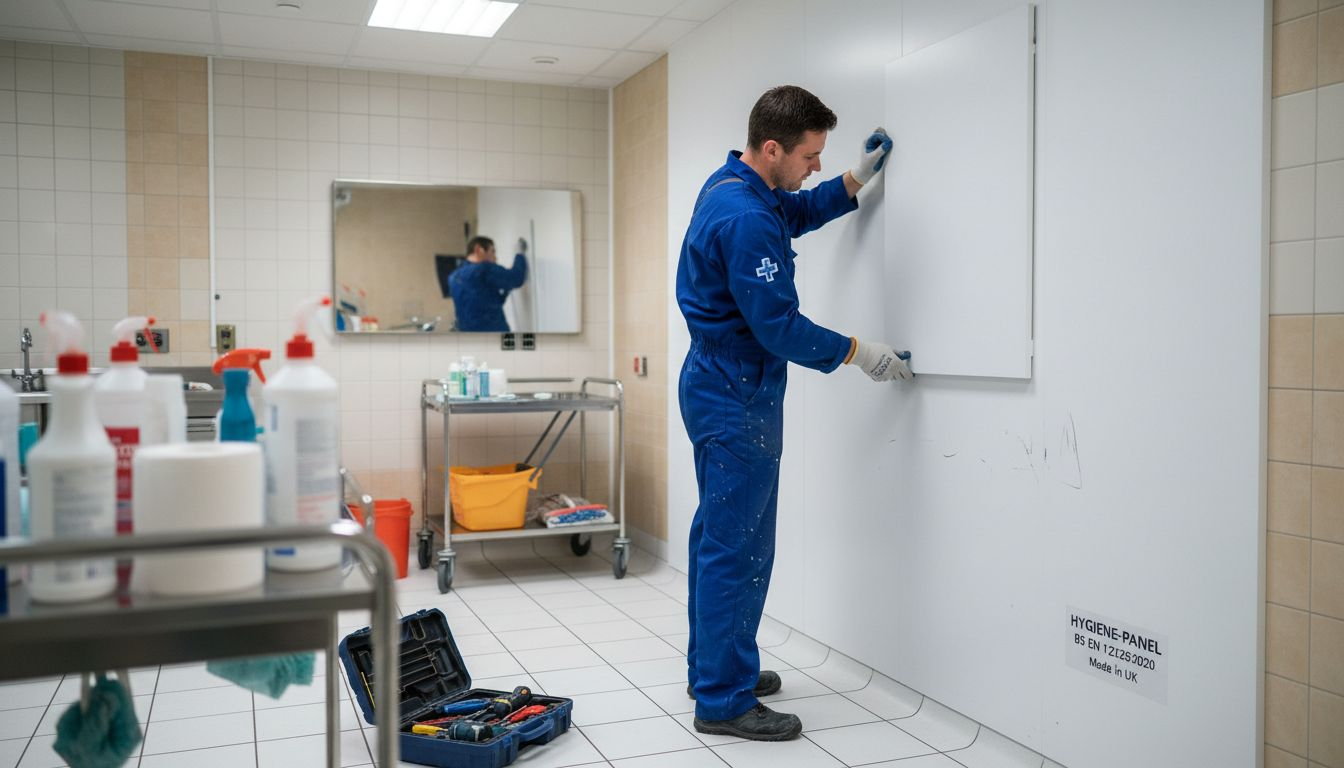
Understanding Hygienic PVC Cladding and Its Advantages
Finding wall solutions that withstand constant cleaning while supporting infection control is a persistent challenge for facility managers in the United Kingdom healthcare sector. Hospitals and clinics demand wall coverings that not only meet strict cleanliness standards but also reduce ongoing maintenance costs. This guide explains how hygienic PVC cladding delivers durable, non-porous protection designed for medical environments, offering practical insights into material options, performance features, and compliance considerations for modern healthcare facilities.
Table of Contents
Defining Hygienic PVC Cladding in Healthcare
Types and Material Variations Explained
Key Features and Compliance Standards
Where Hygienic PVC Cladding Excels
Comparing PVC Cladding to Traditional Alternatives
Key Takeaways
Point | Details |
Importance of Hygienic PVC Cladding | This cladding is essential in healthcare for infection prevention, offering non-porous surfaces that resist bacteria and support sanitation. |
Material Variations and Antimicrobial Properties | Different configurations, including antimicrobial options, enhance hygiene and can reduce microbial populations by up to 99.9%. |
Compliance and Safety Standards | Hygienic PVC cladding meets strict regulatory requirements, ensuring safety and environmental durability in healthcare settings. |
Economic Advantages Over Traditional Alternatives | The long-lasting, low-maintenance nature of PVC cladding reduces operational costs while maintaining hygiene standards compared to traditional wall treatments. |
Defining Hygienic PVC Cladding in Healthcare
Hygienic PVC cladding represents a specialised wall and ceiling covering solution designed specifically for healthcare environments where cleanliness, infection prevention, and patient safety are paramount. These advanced wall panels are engineered to create smooth, non-porous surfaces that actively resist microbial contamination and support rigorous hygiene standards across medical facilities.
At its core, hygienic PVC cladding is a sophisticated wall covering system that delivers multiple critical advantages in healthcare settings. Hygienic surface technologies enable these panels to provide exceptional protection against bacterial growth, moisture penetration, and cross-contamination risks.
Key characteristics of hygienic PVC cladding include:
Completely smooth surface preventing bacterial accumulation
Chemical-resistant properties supporting intensive cleaning protocols
Waterproof construction preventing moisture penetration
Seamless installation reducing potential infection transmission points
Lightweight design enabling quick and straightforward mounting
Compliance with strict healthcare environmental standards
The material’s remarkable versatility stems from its polyvinyl chloride composition, which offers exceptional durability and performance in challenging medical environments. Unlike traditional wall coverings, these specialised panels create an impenetrable barrier against pathogens, supporting healthcare professionals’ infection control strategies.
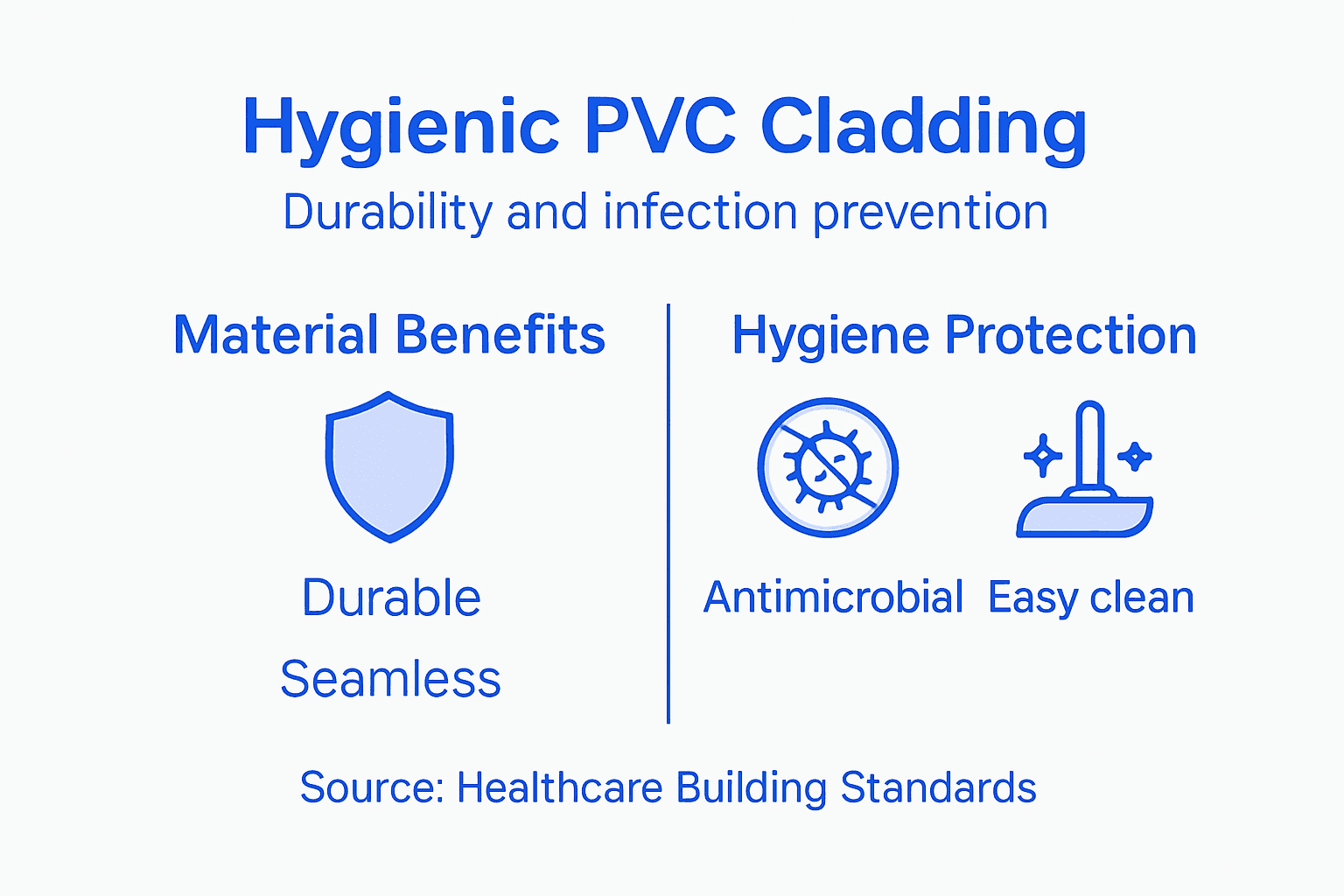
Pro Tip: When selecting hygienic PVC cladding, always verify the panel’s specific antimicrobial certification and cleaning compatibility to ensure optimal infection prevention performance.
Types and Material Variations Explained
Hygienic PVC cladding encompasses a sophisticated range of material variations designed to meet the exacting requirements of healthcare, food processing, and laboratory environments. Advanced material configurations offer healthcare professionals multiple options for creating sterile, easy-to-maintain wall surfaces that actively support infection control strategies.
The primary variations in hygienic PVC cladding include several critical material configurations:
Antimicrobial PVC panels featuring silver-ion technology
Solid sheet configurations
Laminated panel designs
Varying surface finishes (matte and gloss options)
Different panel thickness ranges
Specialised chemical-resistant compositions
Antimicrobial technology represents a particularly innovative development in hygienic PVC cladding. Material variations with antimicrobial additives can reduce microbial populations by up to 99.9%, providing an additional layer of protection in critical healthcare environments. These panels are engineered to withstand intensive cleaning protocols while maintaining their structural integrity and hygienic performance.
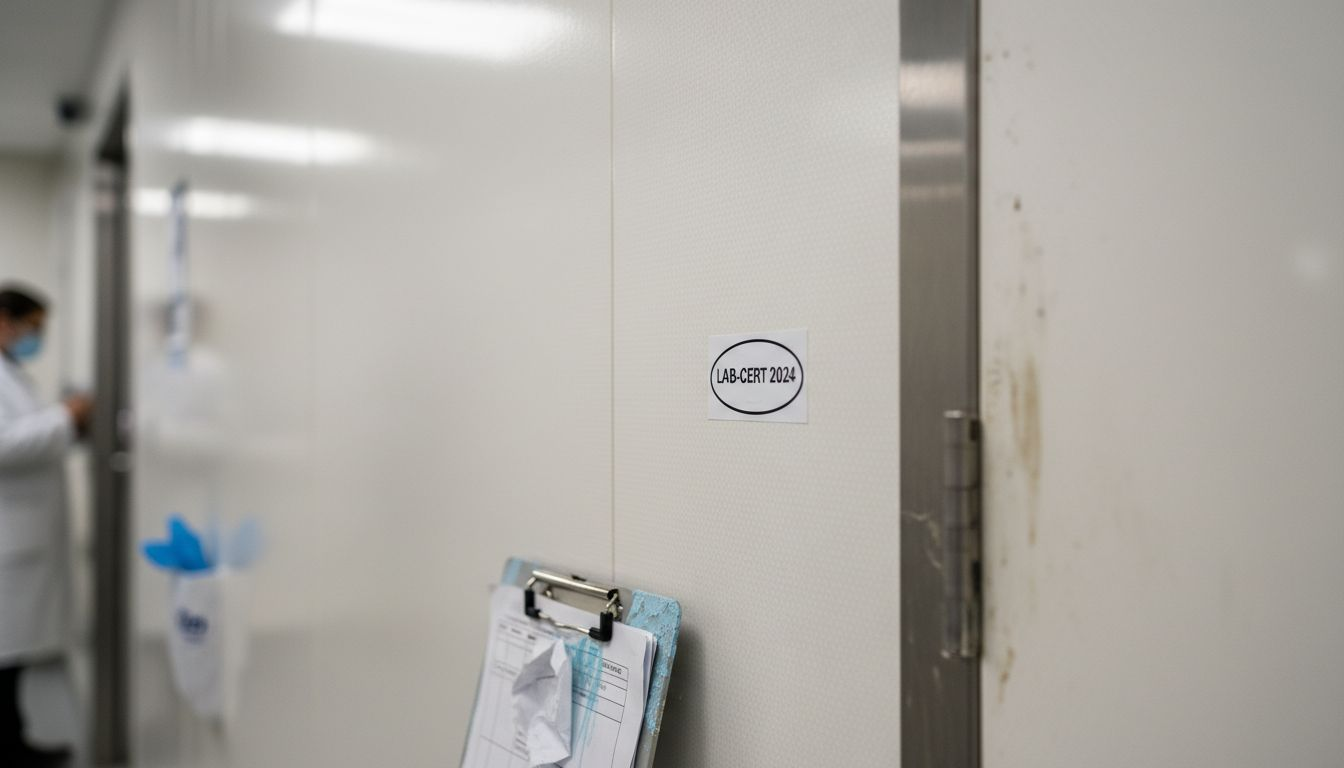
Each material variation is meticulously designed to address specific environmental challenges, offering healthcare facilities precise solutions for maintaining sterile conditions. The panels’ non-porous surfaces, seamless installation capabilities, and moisture-resistant properties ensure comprehensive protection against potential contamination sources.
Pro Tip: When selecting hygienic PVC cladding, carefully evaluate the specific antimicrobial properties and chemical resistance of each material variation to match your facility’s unique infection control requirements.
Key Features and Compliance Standards
Hygienic PVC cladding represents a sophisticated solution engineered to meet the most demanding healthcare environmental standards. Comprehensive safety compliance ensures these wall coverings provide exceptional performance while adhering to rigorous regulatory requirements across medical environments.
Key features of hygienic PVC cladding include:
Biocompatibility testing confirming non-toxic material composition
Extensive chemical resistance against standard cleaning agents
Superior fire safety performance
Seamless installation reducing contamination risks
Resilience to intensive cleaning protocols
Consistent dimensional stability
Robust environmental durability
Regulatory compliance represents a critical aspect of hygienic PVC cladding, with manufacturers subjecting materials to multiple stringent testing protocols. These assessments evaluate critical performance parameters including chemical stability, surface integrity, microbial resistance, and long-term durability under challenging healthcare conditions.
Healthcare facilities require wall coverings that not only provide aesthetic appeal but also demonstrate measurable infection control capabilities. The comprehensive testing regime for hygienic PVC cladding ensures that each panel meets exacting standards for patient safety, environmental hygiene, and structural reliability.
Pro Tip: Request comprehensive compliance documentation and independent testing certificates when selecting hygienic PVC cladding to validate its suitability for your specific healthcare environment.
Where Hygienic PVC Cladding Excels
Healthcare environments demand exceptional wall solutions that go beyond traditional surface treatments. Infection control surfaces represent a critical line of defence against healthcare-associated infections, with hygienic PVC cladding emerging as a transformative solution for modern medical facilities.
Hygienic PVC cladding demonstrates exceptional performance in several key environments:
Hospital operating theatres
Clinical treatment rooms
Intensive care units
Medical laboratories
Pharmaceutical preparation areas
Emergency department corridors
Dental clinics
Pathology departments
Infection prevention remains the paramount advantage of hygienic PVC cladding. The material’s smooth, non-porous surface eliminates microscopic crevices where bacteria and pathogens might otherwise proliferate, creating an inhospitable environment for microbial growth. Everything You Need to Know About Hygienic PVC Wall Cladding highlights how these specialised wall coverings provide an additional layer of protection against cross-contamination.
Beyond healthcare, hygienic PVC cladding excels in environments requiring stringent cleanliness protocols, such as food preparation areas, pharmaceutical manufacturing facilities, and research institutions. The material’s resistance to harsh cleaning chemicals, combined with its ability to withstand intensive sanitisation processes, makes it an ideal solution for spaces where hygiene is paramount.
To help you assess where hygienic PVC cladding delivers the most value in healthcare, here is a summary table of ideal application areas and their unique hygiene requirements:
Environment | Typical Hygiene Challenge | How PVC Cladding Responds |
Operating Theatres | Critical pathogen control | Seamless, non-porous barrier |
Intensive Care Units | Multi-agent infection risks | Resists cleaning chemicals |
Medical Laboratories | Biohazard contamination | Supports rigorous sanitisation |
Pharmaceutical Prep Rooms | Chemical exposure, spills | High chemical resistance |
Emergency Corridors | High traffic, rapid cleaning | Quick to sanitise and maintain |
Dental Clinics | Aerosolised particles | Smooth surface, bactericidal tech |
Pathology Departments | Spillage, cross-contamination | Minimises infection transmission |
Pro Tip: Conduct a comprehensive surface assessment of your facility to identify specific hygiene-critical zones where hygienic PVC cladding can provide maximum infection control benefits.
Comparing PVC Cladding to Traditional Alternatives
Healthcare and industrial environments require wall coverings that transcend basic aesthetic requirements, demanding solutions that actively contribute to infection prevention and facility maintenance. Hygienic surface technologies reveal critical differences between PVC cladding and traditional wall treatments, highlighting substantial performance advantages.
Key comparative aspects between PVC cladding and traditional alternatives include:
Seamless Installation
PVC: Continuous, joint-free surfaces
Tiles/Plaster: Multiple grout lines and potential gaps
Bacterial Resistance
PVC: Impermeable, non-porous surface
Tiles/Plaster: Porous surfaces supporting microbial growth
Maintenance Requirements
PVC: Easy cleaning, chemical-resistant
Tiles/Plaster: Complex cleaning, prone to deterioration
Durability
PVC: Long-lasting, minimal degradation
Tiles/Plaster: Susceptible to cracking, chipping
Traditional wall coverings like ceramic tiles or painted plaster present significant limitations in high-hygiene environments. These materials typically feature multiple grout lines and porous surfaces that become breeding grounds for bacteria, making thorough sanitisation challenging. Commercial Kitchen Cladding demonstrates how specialised wall solutions can fundamentally transform facility hygiene standards.
The economic advantages of PVC cladding extend beyond immediate hygiene benefits. Its superior chemical resistance, ease of installation, and minimal maintenance requirements translate to reduced long-term operational costs compared to traditional wall treatments. Healthcare facilities can significantly decrease cleaning time and replacement expenses by adopting this innovative solution.
The table below contrasts long-term operational impacts of hygienic PVC cladding versus traditional wall coverings:
Aspect | Hygienic PVC Cladding | Ceramic Tiles/Painted Plaster |
Replacement Frequency | Rare, lasts many years | Frequent, prone to damage |
Cleaning Labour Cost | Minimal, easy to clean | High, meticulous attention needed |
Infection Risk | Consistently low | Increases with grout deterioration |
Regulatory Compliance | Exceeds modern standards | May require costly upgrades |
Aesthetic Longevity | Maintains appearance | Often shows stains/ageing |
Pro Tip: Conduct a comprehensive cost-benefit analysis comparing lifetime maintenance expenses between PVC cladding and traditional wall treatments to understand the true economic impact of your surface selection.
Elevate Your Healthcare Spaces with Hygienic PVC Cladding from HygienicSheets
Ensuring infection control and maintaining immaculate hygiene in healthcare environments is challenging but crucial. The article highlights key concerns such as preventing bacterial accumulation, chemical resistance, and seamless installation to reduce contamination risks. At HygienicSheets, we specialise in providing high-quality hygienic PVC wall cladding solutions that perfectly address these challenges. Our products deliver smooth, non-porous surfaces engineered for durability, ease of cleaning, and resistance to harsh sanitisation agents.
Discover how our comprehensive range, including various styles, finishes and antimicrobial options, can help you create safer, more hygienic healthcare environments today. Take the next step to protect patients and staff with our trusted PVC cladding systems designed specifically for hygiene-critical areas. Visit HygienicSheets now to explore our selection and benefit from fast nationwide delivery and expert support.
Frequently Asked Questions
What is hygienic PVC cladding?
Hygienic PVC cladding is a specialised wall and ceiling covering designed for healthcare environments, offering smooth, non-porous surfaces that resist microbial contamination and support stringent hygiene standards.
What are the benefits of using hygienic PVC cladding in healthcare settings?
The benefits include exceptional bacterial resistance, waterproof construction, seamless installation to minimise infection transmission points, lightweight design for easy mounting, and compliance with strict healthcare environmental standards.
How does hygienic PVC cladding compare to traditional wall coverings?
Unlike traditional wall coverings such as tiles or plaster, hygienic PVC cladding features seamless, non-porous surfaces that are easier to clean and maintain, with less risk of microbial growth and damage over time.
What types of material variations are available for hygienic PVC cladding?
Material variations include antimicrobial PVC panels with silver-ion technology, solid sheet configurations, laminated panel designs, different surface finishes, various thicknesses, and specialised chemical-resistant compositions.
Recommended
Comments