

Commercial Kitchen Cladding: Protecting Hygiene Standards
Updated: Jan 30
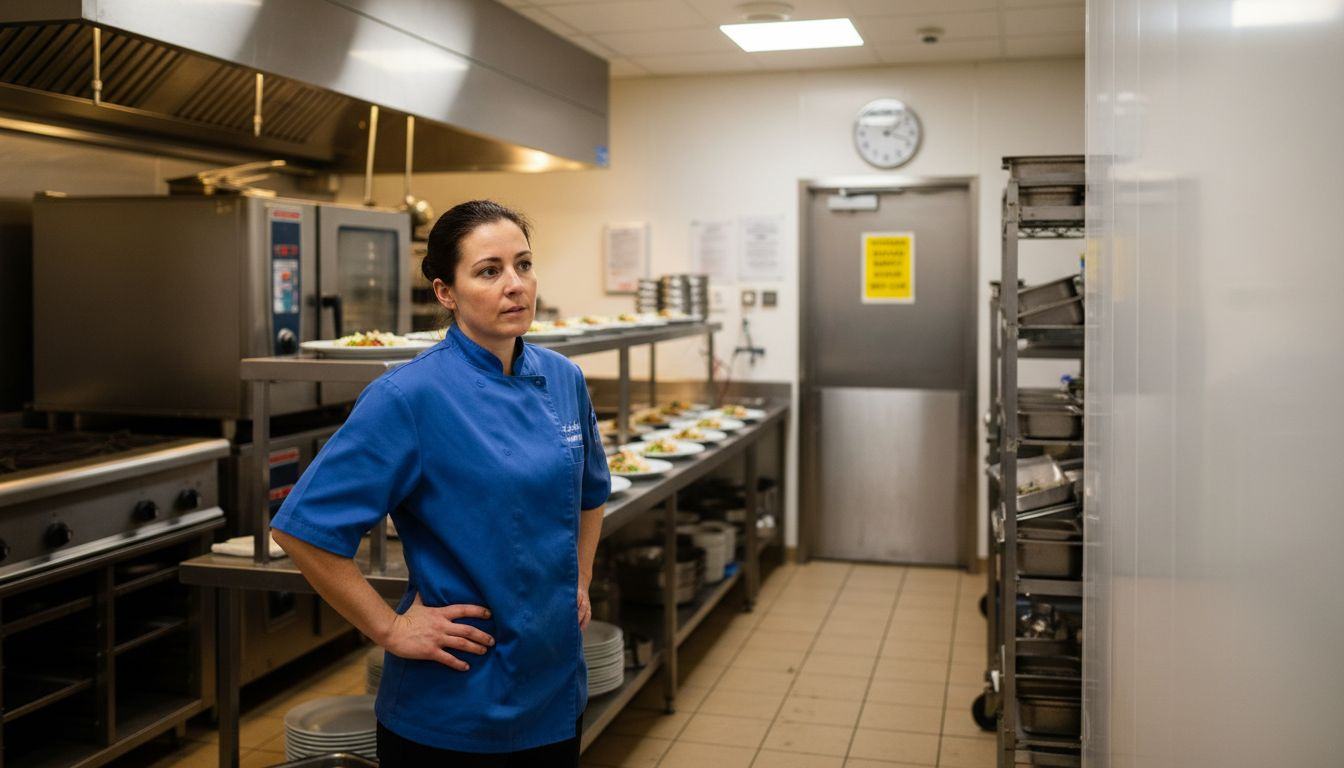
In a busy UK commercial kitchen, keeping walls spotless and compliant can quickly drain your time and budget if the right materials are not in place. With constant heat, steam, and strict food safety standards, the walls you choose directly impact hygiene, staff efficiency, and inspection outcomes. Choosing PVC wall cladding means smoother cleaning, better moisture protection, and proven compliance, helping you maintain high standards without unplanned maintenance costs.
Table of Contents
Understanding Commercial Kitchen Cladding Materials
Types of Cladding for Kitchen Environments
Key Features and Performance Benefits
UK Hygiene and Safety Regulations Explained
Practical Costs, Common Pitfalls, Alternatives
Key Takeaways
Point | Details |
Material Selection is Crucial | Choosing the right cladding material impacts kitchen safety, hygiene, and maintenance costs. PVC panels are highly recommended for their moisture resistance and ease of cleaning. |
Regulatory Compliance is Mandatory | UK kitchens must adhere to hygiene regulations that require materials preventing contamination and supporting cleanliness. Proper installation and maintenance of cladding contribute to compliance. |
Lifecycle Costs Matter | Facility managers should consider the total cost of ownership, factoring in durability, maintenance, and replacement frequency over time rather than only initial costs. |
Installation Planning is Essential | Accurate planning and professional installation are key to avoiding pitfalls such as moisture traps and costly downtime during renovations. Ensure to account for potential hidden costs during installation. |
Understanding Commercial Kitchen Cladding Materials
Commercial kitchen cladding materials have come a long way from basic painted walls. What you choose affects not only how your kitchen looks but also whether it meets food safety regulations, resists moisture damage, and stands up to daily cleaning demands. The right material protects your investment and keeps your team working in a hygienic environment.
Traditional materials like timber have long been used in building envelopes, but their moisture behaviour, fire performance, and durability require careful consideration in food preparation areas. Timber cladding can absorb moisture, making it unsuitable for kitchens where water and steam are constant. Modern alternatives have emerged to address these limitations. PVC (polyvinyl chloride) wall cladding dominates commercial kitchen installations across the UK because it combines waterproofing, durability, and straightforward maintenance. Unlike timber or standard plasterboard, PVC panels resist moisture penetration, won’t warp or swell, and handle the thermal stress of kitchen environments without degradation.
Beyond conventional polymers, biopolymers present sustainable cladding options that emphasise biodegradability and low embodied energy compared to traditional synthetic materials. Whilst biopolymers offer environmental benefits through their renewability and reduced manufacturing impact, they’re less commonly specified in UK commercial kitchens due to moisture sensitivity. For food preparation spaces, the priority remains balancing sustainability with performance. Hygienic PVC remains the practical standard because it delivers why hygienic wall cladding matters in commercial kitchens through consistent moisture resistance, ease of sterilisation, and compliance with environmental health regulations.
Material selection depends on your specific operational needs. High moisture areas demand robust waterproofing. Food contact zones require materials that won’t harbour bacteria or absorb organic matter. Dry storage or office spaces within your kitchen facility might tolerate different material profiles. The key distinction between materials lies in their ability to withstand thermal cycling (the constant heat and cooling in kitchens), resist chemical cleaning agents, and remain hygienic under repeated disinfection protocols.
Pro tip: When evaluating cladding materials, request samples and expose them to your actual cleaning protocols for 2 weeks before committing to a full installation—this reveals how materials behave under your specific operational conditions rather than theoretical testing.
Types of Cladding for Kitchen Environments
Your kitchen walls face a constant barrage of moisture, heat, grease, and aggressive cleaning chemicals. Not all cladding materials handle these conditions equally. Understanding the differences between options allows you to select what works best for your operation’s demands and budget constraints. The main contenders for commercial kitchen use fall into three categories, each with distinct advantages and trade-offs.
PVC (polyvinyl chloride) wall cladding represents the most popular choice across UK commercial kitchens. This material offers exceptional moisture resistance, won’t support bacterial growth, and handles repeated high-temperature steam exposure without warping or degradation. PVC panels install quickly, require minimal disruption to your kitchen operations, and cost significantly less than premium alternatives. Cleaning is straightforward—standard detergents and disinfectants won’t damage the surface. The material’s thermal stability means it won’t expand or contract excessively under the temperature swings typical in busy kitchens. Cost efficiency combined with proven hygiene performance makes PVC the standard for most operations.
Stainless steel panels deliver superior durability and create an unmistakably professional aesthetic. These panels resist corrosion, withstand extreme temperatures, and last decades with proper maintenance. However, stainless steel costs substantially more than PVC alternatives and requires specialist installation. The material shows fingerprints and water spots unless polished regularly, adding maintenance overhead. Stainless steel shines for high-end establishments or areas requiring maximum durability, but the investment isn’t justifiable for every kitchen section.
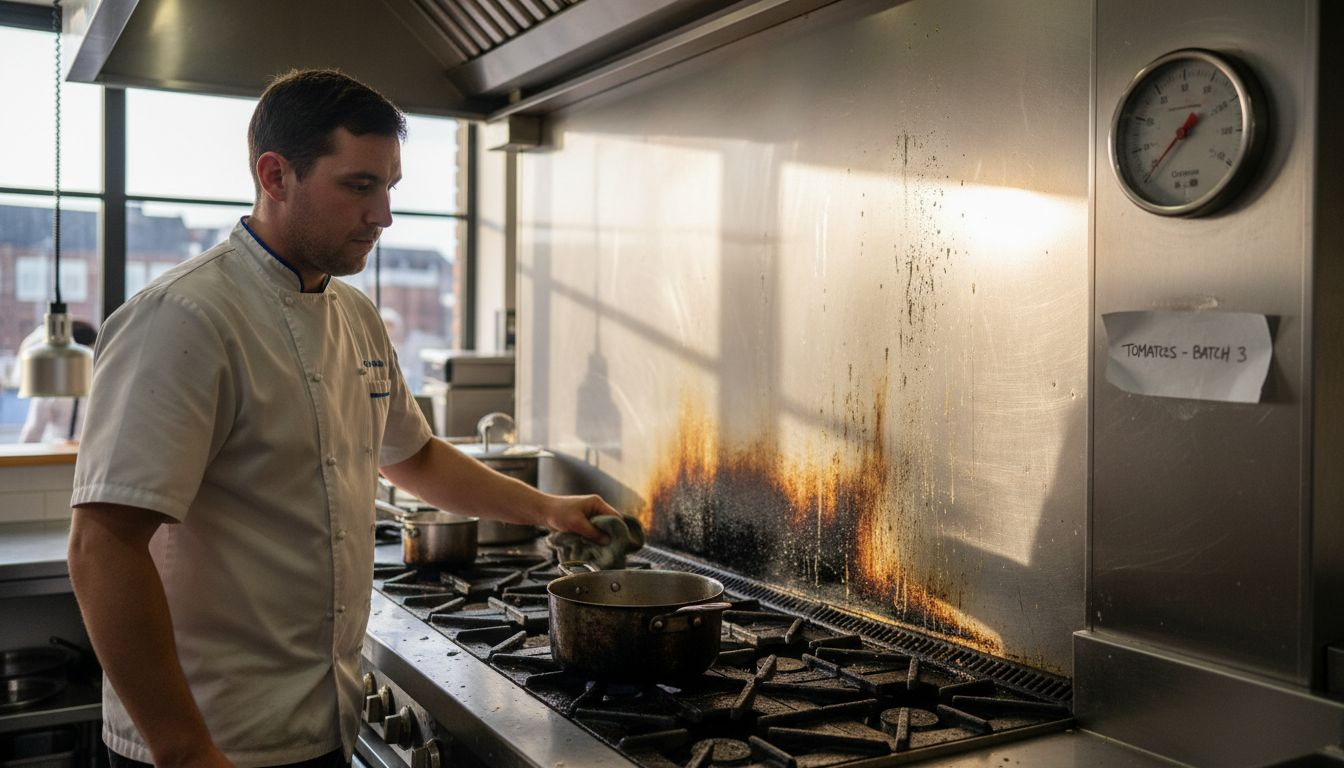
FRP (fibre-reinforced plastic) panels occupy the middle ground. Cheaper than stainless steel but pricier than PVC, FRP offers moderate durability and decent moisture resistance. Installation remains straightforward, though the material can show wear around seams if not properly sealed. FRP works well for budget-conscious operations accepting some maintenance compromise. The advantages of hygienic wall cladding materials become apparent when comparing performance across different environments within your kitchen. High-moisture prep areas and wash-down zones benefit most from PVC’s superior waterproofing. Storage or admin areas might tolerate FRP adequately.
Your choice depends on three factors: moisture exposure level, budget constraints, and operational lifespan expectations. High-traffic preparation zones with water exposure warrant premium PVC. Secondary spaces can accept cost-saving alternatives. Most successful kitchens use a mixed approach, specifying premium cladding where conditions demand it and standard-grade materials elsewhere.
Here is a comparison of common commercial kitchen cladding materials and their suitability for specific areas:
Material Type | Best Use Areas | Typical Lifespan | Installation Complexity |
PVC Panels | Prep zones, wash-down, high moisture | 10-15 years | Low, quick installation |
Stainless Steel | Visible areas, hot cooking lines | 20+ years | High, specialist needed |
FRP Panels | Dry storage, low-moisture support areas | 7-12 years | Medium, moderate skills |
Biopolymer Panels | Eco-conscious projects (limited use) | 5-7 years | Medium, specialist cost |
Pro tip: Install PVC in zones receiving direct water spray or steam, reserve stainless steel for visible customer-facing areas where appearance matters most, and use FRP only in lower-moisture support spaces to optimise your budget without compromising food safety compliance.
Key Features and Performance Benefits
Commercial kitchen cladding isn’t just about covering your walls. The right system transforms how your kitchen operates, reducing maintenance headaches, cutting cleaning time, and keeping your team working in genuinely hygienic conditions. Understanding what features matter helps you recognise value beyond the initial purchase price.
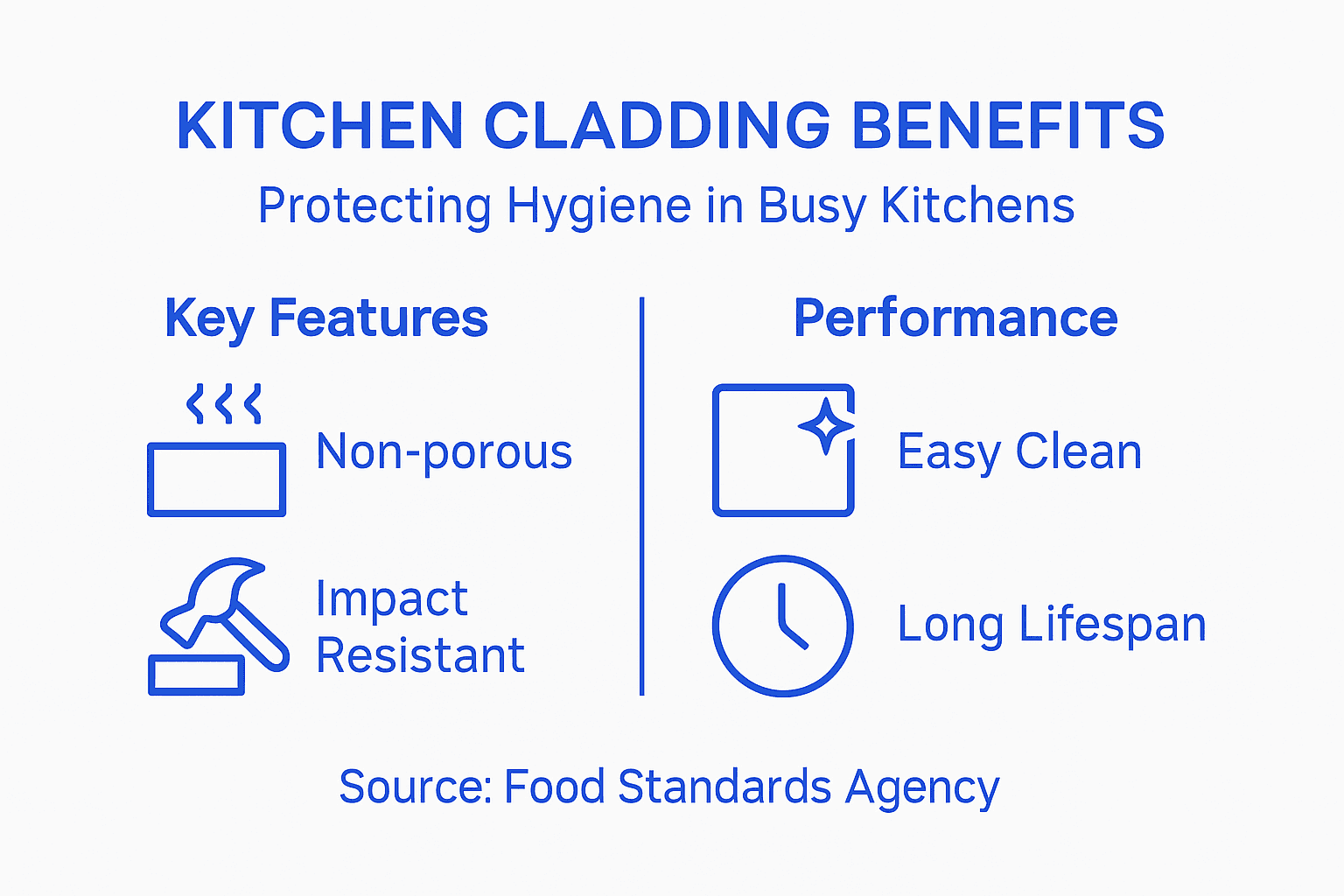
The most critical feature is the non-porous surface. Traditional painted walls absorb moisture, harbour bacteria in micro-cracks, and eventually require repainting after a few years. Modern cladding materials create seamless, impermeable barriers that prevent moisture penetration entirely. Hygienic wall cladding prevents germ build-up through smooth surfaces that leave nowhere for pathogens to hide. When your environmental health officer inspects your kitchen, they’re checking whether your walls support or undermine your food safety protocols. Non-porous cladding ticks that box decisively. You can wipe down walls daily with industrial-strength disinfectants without degradation. The surface won’t stain, won’t absorb grease vapours, and won’t develop the grimy patina that plasterboard accumulates over months.
Thermal and moisture stability keeps walls performing year after year. Your kitchen experiences extreme temperature swings. Steam from cooking rises to cooler ceiling areas, creating condensation. Cold prep zones sit next to hot line areas. Traditional materials expand, contract, warp, and eventually fail under these stresses. Quality cladding maintains dimensional stability across these temperature variations. Seams don’t separate, corners don’t crack, and the surface doesn’t ripple or bubble. This durability translates directly into lower replacement costs. What costs £5,000 installed today shouldn’t need replacing in five years. The investment compounds over a decade of operation, particularly in high-volume kitchens running long hours.
Installation speed and minimal operational disruption matter more than many facility managers initially realise. Installing new wall surfaces whilst maintaining kitchen operations requires careful planning. Panel systems install faster than traditional plastering or tiling. Your kitchen might close for two days rather than two weeks. Staff can return to work faster. Revenue loss drops significantly. This performance benefit shows up immediately on your financial statements, not just in long-term durability metrics.
Additional features that drive real value include exceptional impact resistance (walls take punishment from equipment and trolleys), heat tolerance up to 60 degrees Celsius continuously, compatibility with all standard food-safe cleaning chemicals, and compliance support for local authority health and safety inspections. These aren’t marketing claims—they’re operational necessities in professional kitchens.
Pro tip: Request test panels from your cladding supplier and expose them to your exact cleaning protocols, temperature ranges, and operational conditions for four weeks before committing to full installation—this reveals real-world performance rather than theoretical ratings.
UK Hygiene and Safety Regulations Explained
UK commercial kitchens operate under a strict regulatory framework designed to protect public health. Understanding these requirements isn’t optional—they’re legally binding standards enforced by environmental health officers during inspections. Your kitchen walls play a direct role in demonstrating compliance. The regulations don’t specify exact materials, but they do establish performance standards that your chosen cladding must meet.
The Food Safety and Hygiene (England) Regulations 2013 form the legal foundation for all UK commercial kitchens. These regulations mandate that food contact surfaces prevent contamination and maintain cleanliness under operational conditions. This means your walls, alongside countertops and equipment contact points, must be constructed from materials that won’t harbour pathogens or degrade under repeated cleaning. The regulations also require that you implement food safety management systems based on HACCP principles. Your wall materials contribute directly to your ability to meet these HACCP requirements by supporting a cleanable environment. If your walls absorb moisture or allow bacterial colonisation, you’re working against your own food safety system.
Official guidance from the Food Standards Agency clarifies what this means practically. Commercial kitchens must be designed for cleanliness and ease of maintenance, with sufficient handwashing facilities, properly separated toilets, and adequate hot and cold water supply. The guidance specifically requires hygienic materials that are non-absorbent and easy to clean. This language directly endorses cladding systems like hygienic PVC. Traditional painted plasterboard fails these requirements because it absorbs moisture and moisture allows bacterial growth. Environmental health officers conducting inspections specifically look for walls that meet these standards. When they see quality cladding properly installed with sealed seams and protected corners, they recognise a kitchen taking hygiene seriously.
Regulatory compliance extends beyond materials to installation standards. Seams must be sealed to prevent water ingress. Corners require protection to stop moisture accumulating in hard-to-clean areas. Your installer’s workmanship directly affects whether your kitchen meets regulatory standards. Poor installation creates moisture traps that undermine your entire hygiene management system. This is why selecting experienced installers matters as much as selecting quality materials.
Local authority inspections assess whether your kitchen environment supports food safety. Environmental health officers examine walls for signs of moisture damage, mould growth, staining, or deterioration. A kitchen with properly maintained cladding presents evidence of management commitment to hygiene. A kitchen with damaged walls or inappropriate materials raises concerns about systematic food safety gaps. The investment in quality cladding communicates to regulators that you take food safety seriously.
Pro tip: Before installing any cladding system, request written confirmation from your supplier that the materials and installation methods comply with Food Safety and Hygiene (England) Regulations 2013, then keep this documentation to demonstrate compliance during environmental health inspections.
Practical Costs, Common Pitfalls, Alternatives
Cost conversations around commercial kitchen cladding often start with sticker shock. A complete wall cladding installation across a 200 square metre kitchen typically runs between £8,000 and £15,000 depending on material choice and complexity. That’s a significant expense. However, this figure tells only half the story. Understanding lifecycle costs versus upfront investment separates informed facility managers from those who make decisions they regret five years later.
Upfront material costs vary considerably across options. Basic PVC cladding runs around £40 to £60 per square metre installed. Stainless steel panels cost three times that amount. FRP sits comfortably in the middle. But here’s the critical insight: cheap cladding becomes expensive when you factor in replacement cycles, repair costs, and operational disruption. Lifecycle cost analysis must account for maintenance needs and durability across project lifespan, not just initial purchase price. Quality PVC installed properly today might cost £12,000 upfront but requires minimal maintenance over twelve years. Budget cladding might cost £6,000 initially but needs replacing in five years plus emergency repairs in years three and four. The total cost of ownership swings dramatically in favour of premium options.
Below is a summary of cost considerations and lifecycle factors for cladding choices:
Material | Initial Cost per m² | Maintenance Needs | Replacement Frequency |
PVC | £40–£60 | Minimal, easy to clean | Every 10–12 years |
Stainless Steel | £120–£180 | Frequent polishing, durable | 20 years or longer |
FRP | £70–£100 | Moderate, inspect seams regularly | Every 8–10 years |
Paintable Finish | £12–£25 | Repainting every 3 years | 3–5 years |
Ceramic Tile | £45–£90 | Clean grout lines, labour intensive | 10–15 years |
Common pitfalls trip up many facility managers during planning. Underestimating installation complexity tops the list. Corners, ceiling junctions, and equipment penetrations require careful planning. Poor installation creates moisture traps that compromise your entire hygiene investment. Second pitfall: ignoring downtime costs. A two-week installation affecting kitchen operations costs far more than a four-day project using experienced installers. Third pitfall: selecting materials based solely on initial quotes without verifying regulatory compliance or long-term performance guarantees. Fourth pitfall: failing to budget for professional installation. DIY approaches or using inexperienced contractors inevitably result in sealing failures that undermine cladding performance.
Alternatives worth considering depend on your specific constraints. If budget is genuinely restrictive, quality paintable wall finishes approved for food preparation areas cost less than cladding but require repainting every three years. Ceramic tile creates a hygienic surface but installation is complex and grout lines create cleaning challenges. Epoxy-coated plasterboard offers moderate protection at lower cost than cladding but still absorbs moisture eventually. Stainless steel cladding works for high-end operations or small feature walls without requiring full kitchen coverage. Many successful kitchens use a tiered approach: hygienic PVC in high-moisture preparation and wash-down zones, standard finishes in storage areas, and decorative cladding in customer-facing spaces.
Pro tip: Always obtain fixed quotes that include installation, sealing, and site-specific work like equipment penetrations, then add 15 percent contingency to account for hidden conditions discovered during installation—this prevents unexpected costs derailing your budget.
Elevate Your Commercial Kitchen Hygiene with Trusted PVC Cladding Solutions
Maintaining impeccable hygiene standards in a commercial kitchen is non-negotiable. As highlighted in the article, selecting the right cladding material that offers moisture resistance, thermal stability, and easy sterilisation is critical to meet UK hygiene regulations and protect your investment from costly repairs. If you want to avoid common pitfalls like moisture traps or material degradation under harsh cleaning protocols, it is essential to choose a hygienic wall system designed specifically for demanding food preparation environments.
Discover the wide range of premium PVC wall cladding and accessory products available at Hygienic Sheets that combine durability with compliance. Our solutions are expertly engineered to withstand kitchen heat, steam, and heavy cleaning while providing fast installation and low maintenance. Whether you manage a large commercial kitchen or a smaller food service area, we supply tailored cladding with certified quality and competitive pricing—so you can maintain hygiene standards and operational uptime today. Explore our selection and take the first step towards safeguarding your kitchen by visiting our homepage or browsing specific options at Hygienic Sheets. Act now to ensure your kitchen walls support your food safety goals effectively.
Frequently Asked Questions
What are the main benefits of using PVC wall cladding in commercial kitchens?
PVC wall cladding offers exceptional moisture resistance, easy cleaning, and durability, making it ideal for high-traffic areas in commercial kitchens. It does not warp or swell under heat and can handle high-temperature steam exposure, ensuring hygiene standards are consistently met.
How does stainless steel compare to PVC and FRP wall cladding?
Stainless steel provides superior durability and a professional aesthetic, resisting corrosion and extreme temperatures. However, it is more expensive and requires specialist installation compared to PVC, which is more cost-effective and simpler to install. FRP offers a moderate option, balancing cost and durability for lower-moisture areas.
What should I consider when selecting cladding materials for different kitchen zones?
When selecting cladding, assess moisture exposure levels, budget constraints, and expected lifespan. High-moisture areas like prep zones should utilise PVC, while lower-moisture zones may be suited for FRP or other cost-effective alternatives, optimizing your investment without compromising hygiene.
What are the hygiene regulations surrounding cladding materials in UK commercial kitchens?
UK regulations mandate that food contact surfaces, including walls, must be made from materials that prevent contamination and are easy to clean. Cladding must be non-absorbent and structurally sound to comply with food safety standards, supporting a hygienic kitchen environment.
Recommended


Comments