

PVC Wall Cladding: Enhancing Hygiene in Healthcare
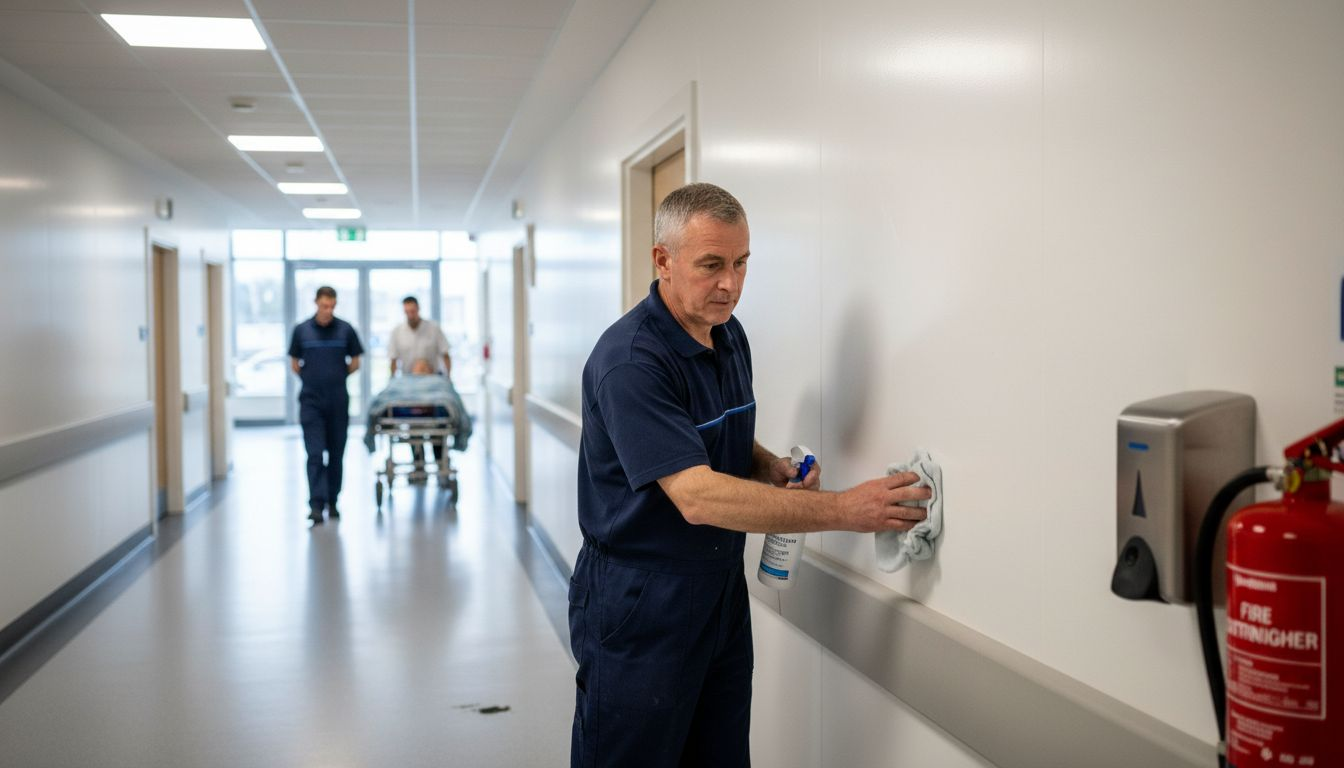
Keeping patient areas spotless is a constant priority for facility managers across the United Kingdom. When every surface must handle deep cleaning and tough hygiene standards, standard materials often fall short. PVC wall cladding offers a smooth, non-porous barrier that resists bacteria, moisture, and harsh cleaning chemicals, making it a reliable choice for medical environments. This article explains how choosing the right PVC cladding supports strict infection control, meets British regulations, and creates a safer environment for patients and staff.
Table of Contents
Key Takeaways
Point | Details |
PVC Wall Cladding | PVC wall cladding is a hygienic, durable wall covering suited for healthcare environments, providing antimicrobial properties and seamless surfaces. |
Variants and Applications | Different variants of PVC cladding cater to specific needs, such as flexibility for contoured surfaces and fire-resistant options for safety. |
Hygiene Improvement | PVC cladding enhances infection control by creating non-porous, easy-to-clean surfaces that resist moisture and bacterial growth. |
Compliance in the UK | Healthcare facilities must ensure PVC wall cladding meets UK safety regulations and standards, including fire safety and hygiene. |
What Is PVC Wall Cladding?
PVC wall cladding is a sophisticated synthetic wall covering solution designed to transform healthcare environments by providing superior hygienic protection. These innovative panels are manufactured from polyvinyl chloride (PVC), a versatile material engineered to meet the stringent cleanliness requirements of medical facilities. PVC wall cladding panels represent a flexible alternative to traditional construction materials like stone, tile, or wood.
The core composition of PVC wall cladding involves interlocking panels made from specially formulated polyvinyl chloride resin mixed with performance-enhancing additives. These panels offer remarkable characteristics that make them ideal for healthcare settings:
Waterproof surface preventing moisture penetration
Bacteria-resistant properties reducing infection risks
Impact-resistant durability for high-traffic areas
Fire retardant safety features
Thermal stability across multiple temperature ranges
Healthcare facilities require wall surfaces that can withstand intense cleaning protocols while maintaining structural integrity. PVC cladding delivers exceptional moisture resistance and antibacterial properties, making it a perfect solution for hospitals, clinics, and medical laboratories. The panels can be seamlessly installed over existing surfaces, creating a smooth, jointless environment that minimises bacterial growth and facilitates thorough sanitisation.
Pro tip: When selecting PVC wall cladding for healthcare spaces, prioritise panels with certified antimicrobial properties and ensure they comply with current healthcare hygiene regulations.
Variants and Features of PVC Cladding
PVC wall cladding represents a sophisticated range of materials engineered to meet diverse environmental and performance requirements. Polymer modifications have enhanced PVC’s structural capabilities, transforming it from a basic material into a highly adaptable solution for healthcare and industrial applications. These advanced variants offer remarkable versatility in addressing specific design and functional challenges.
The primary variants of PVC wall cladding include:
Rigid PVC panels for structural stability
Flexible PVC sheets for contoured surfaces
Foamed PVC for improved insulation
Coated PVC with enhanced protective layers
Fire-retardant PVC with specialised safety features
Manufacturing techniques involve precision mixing of PVC resin with crucial performance additives like impact modifiers and stabilisers. These chemical enhancements dramatically improve the material’s core characteristics, enabling production of lightweight, durable wall cladding sheets that outperform traditional wall coverings. The intricate formulation process allows manufacturers to tailor panels for specific environmental conditions, whether for humid hospital corridors or high-traffic industrial zones.
Healthcare environments demand exceptional performance, and PVC cladding variants deliver precisely that. Each variant offers unique properties - from antimicrobial surfaces to thermal stability - ensuring comprehensive protection and aesthetic flexibility. The material’s ability to resist moisture, impact, and bacterial growth makes it an ideal choice for medical facilities seeking long-lasting, hygienic wall solutions.
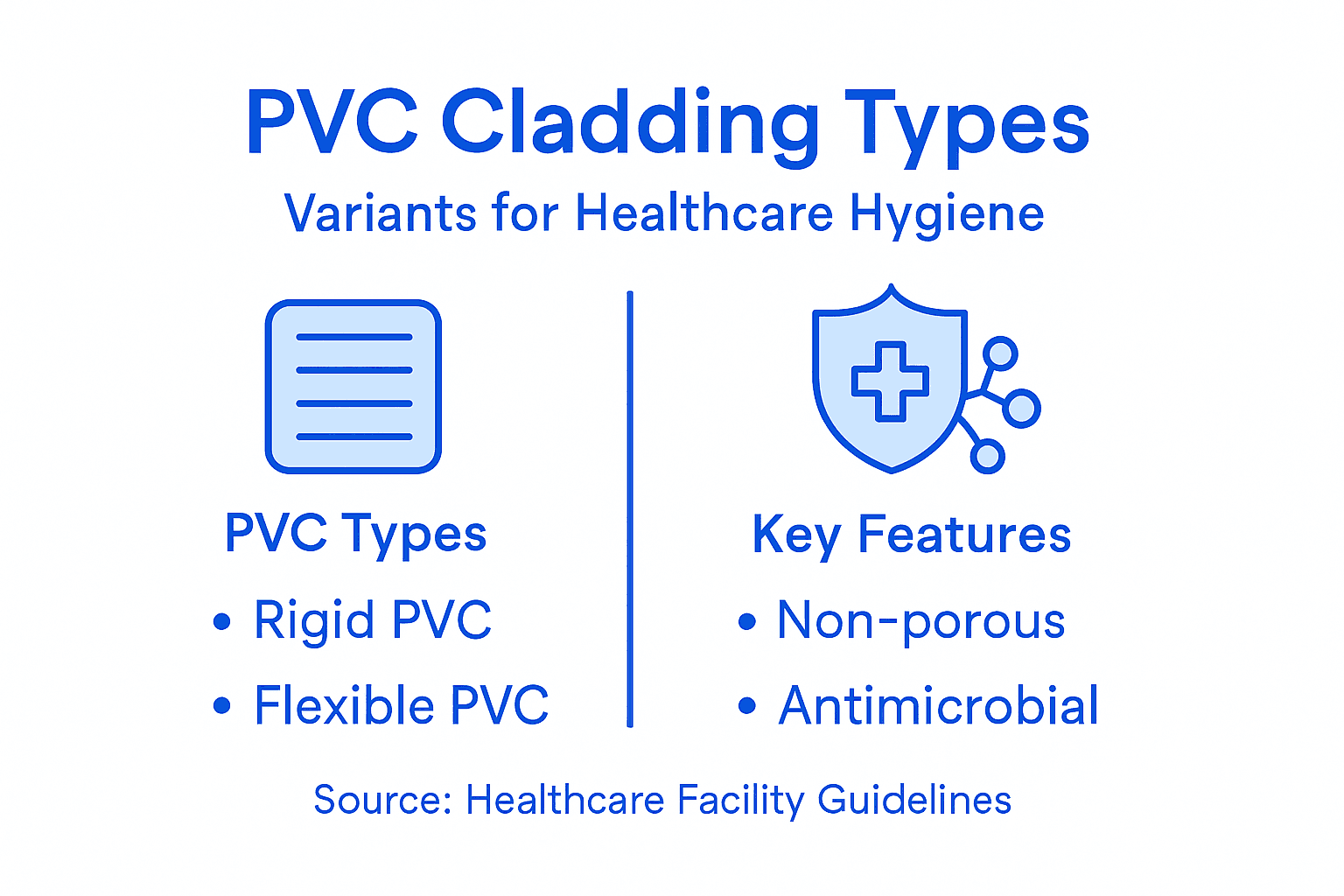
Here’s a summary of common PVC wall cladding variants and their best-suited applications:
Variant | Key Property | Typical Healthcare Use |
Rigid PVC | High durability | Emergency corridors |
Flexible PVC | Easy to mould | Curved surfaces, corners |
Foamed PVC | Enhanced insulation | Laboratory walls |
Coated PVC | Extra chemical resistance | Operating rooms |
Fire-retardant PVC | Superior fire safety | Escape routes, wards |
Pro tip: When selecting PVC wall cladding, carefully match the specific variant’s properties to your precise environmental requirements and expected usage conditions.
How PVC Cladding Improves Hygiene
Hygienic PVC wall cladding offers a revolutionary approach to maintaining sterile environments in healthcare settings. Unlike traditional wall surfaces that harbour bacteria and require intensive cleaning, PVC cladding creates an impenetrable barrier against microbial contamination. Its smooth, non-porous surface fundamentally transforms infection control strategies in medical facilities.
The key hygiene-enhancing characteristics of PVC wall cladding include:
Seamless surface preventing bacterial accumulation
Non-porous material resisting moisture infiltration
Chemical-resistant properties supporting aggressive sanitisation
Smooth texture enabling quick and thorough cleaning
Antimicrobial performance reducing infection transmission risks
PVC wall cladding supports strict hygiene standards by eliminating the microscopic crevices and porous areas where pathogens typically thrive. Traditional wall coverings like paint or tiles create numerous microscopic spaces where bacteria can multiply, whereas PVC panels create a continuous, sealed environment that dramatically reduces microbial growth potential. This design prevents dirt and microorganisms from becoming embedded, simplifying maintenance and supporting comprehensive infection control protocols.
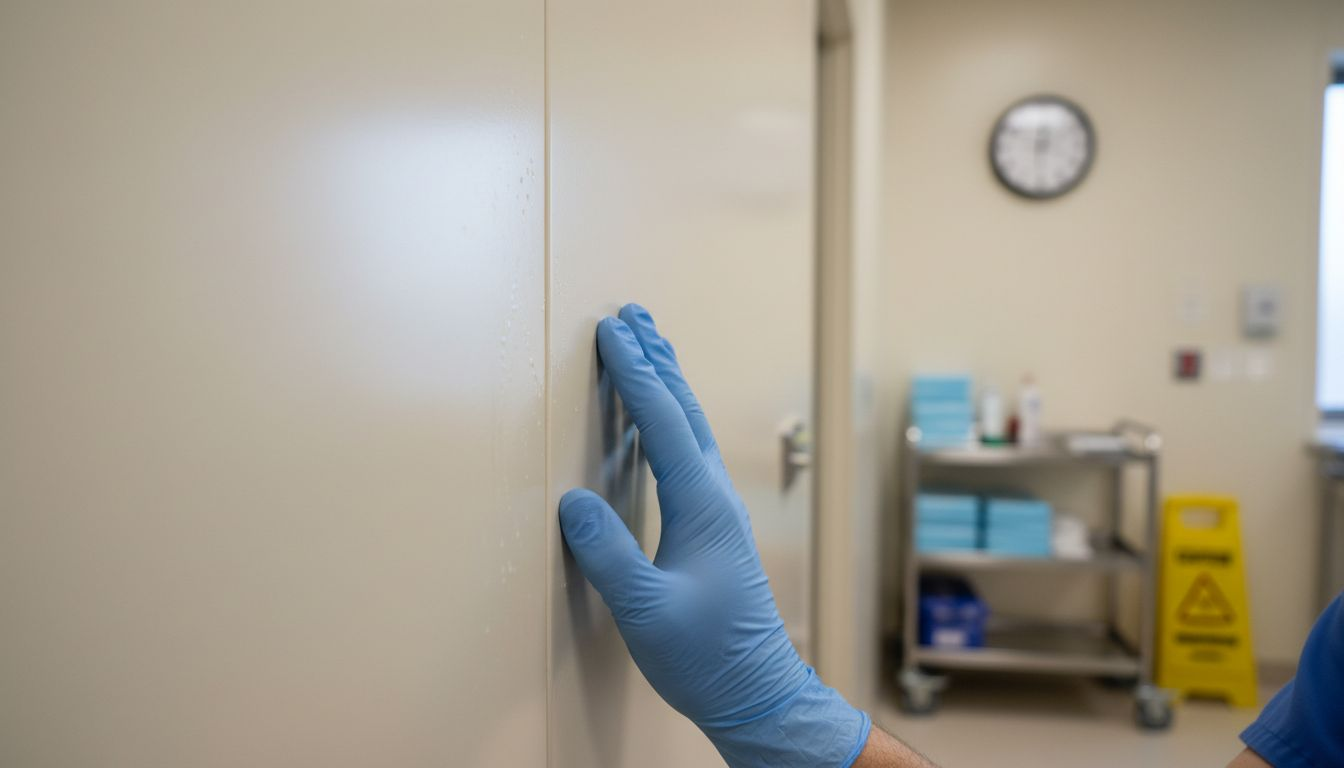
Healthcare environments demand exceptional cleanliness, and PVC wall cladding delivers precisely that. Its ability to withstand heavy traffic, resist damage, and maintain structural integrity while providing a consistently clean surface makes it an invaluable solution for hospitals, clinics, and other medical facilities seeking to minimise healthcare-associated infections.
Pro tip: Implement regular cleaning protocols specifically designed for PVC wall cladding to maximise its inherent hygienic properties and extend its protective performance.
UK Compliance and Installation Standards
Healthcare facilities in the United Kingdom must adhere to stringent regulations when selecting and installing wall cladding solutions. Cladding Safety Scheme guidelines provide critical frameworks for ensuring material safety, fire resistance, and structural integrity, particularly in medical environments where patient protection is paramount.
Key compliance considerations for PVC wall cladding installation include:
Fire safety regulations meeting British Standards
Material combustibility assessment
External wall fire risk evaluation
Installation quality verification
Performance certification requirements
The installation process demands meticulous attention to technical specifications and safety protocols. Healthcare facilities must ensure that PVC wall cladding meets the PAS9980:2022 standards, which provide comprehensive guidance for assessing external wall construction fire risks. This involves detailed evaluations of material properties, installation techniques, and potential fire spread mechanisms.
Manufacturers and installers must demonstrate compliance through rigorous testing and documentation. This includes providing evidence of material performance, thermal stability, fire resistance, and long-term durability. Healthcare managers should request comprehensive certification that validates the cladding’s suitability for medical environments, focusing on hygiene, cleanability, and resistance to chemical sanitisation processes.
Pro tip: Always request full technical documentation and fire safety certifications before finalising PVC wall cladding installation in healthcare settings.
Cost, Risks and Alternative Solutions
Healthcare facility managers must carefully evaluate the comprehensive landscape of PVC wall cladding, considering both its remarkable benefits and potential environmental challenges. PVC cladding presents complex sustainability considerations, particularly regarding its ecological impact and long-term environmental footprint.
Key risks and considerations for PVC wall cladding include:
Environmental production impacts
Chemical composition concerns
Disposal and recycling challenges
Potential health risks from toxic additives
Long-term sustainability questions
The economic analysis of PVC wall cladding requires a nuanced approach that balances initial installation costs with long-term maintenance and replacement expenses. Alternative materials present opportunities for addressing environmental risks, with emerging technologies exploring more sustainable solutions. Healthcare institutions must consider factors beyond initial price, including durability, cleaning requirements, replacement frequency, and environmental compliance.
Alternative wall cladding solutions such as recycled materials, bio-based composites, and advanced ceramic panels are gaining traction. These alternatives offer potential improvements in sustainability, with reduced chemical risks and enhanced ecological credentials. However, they often come with higher initial costs and may not match PVC’s exceptional hygiene and durability performance in medical environments.
Compare the sustainability and long-term factors of leading wall cladding choices:
Aspect | PVC Cladding | Bio-based Composite | Ceramic Panel |
Environmental Impact | Moderate to high | Low | Moderate |
Initial Cost | Moderate | High | High |
Longevity | 20+ years | 15-20 years | 40+ years |
End-of-life Options | Limited recycling | Biodegradable | Recyclable |
Suitability for Healthcare | Excellent hygiene | Good, emerging | Good, less flexible |
Pro tip: Conduct a comprehensive lifecycle cost analysis that evaluates not just initial installation expenses, but long-term maintenance, replacement, and environmental impact when selecting wall cladding solutions.
Upgrade Healthcare Hygiene with Advanced PVC Wall Cladding Solutions
Ensuring impeccable cleanliness and infection control in healthcare settings is a demanding challenge that calls for reliable wall cladding materials. This article highlights the vital role of PVC wall cladding in delivering seamless, antibacterial, and moisture-resistant surfaces essential for hospitals and clinics. If you are seeking to overcome the issues of bacterial accumulation and frequent maintenance while adhering to strict UK hygiene and fire safety standards, our expertly engineered PVC cladding products can provide the perfect solution.
At Hygienic Sheets, we specialise in supplying a wide range of high-quality hygienic PVC wall cladding panels and accessories designed specifically for healthcare environments and other cleanliness-critical industries. Our products boast durability, easy installation, and certified antimicrobial properties that align perfectly with the requirements discussed in the article. Available in various finishes and profiles, our panels offer exceptional chemical resistance and sustainable performance to support your infection control strategies.
Take the next step towards transforming your healthcare facility by exploring our trusted PVC wall cladding solutions. Benefit from fast UK-wide delivery, competitive pricing, and professional support tailored to your project needs. Discover how you can enhance hygiene and safety while maintaining aesthetic appeal by visiting the comprehensive range of products at Hygienic Sheets. Improve patient safety today with wall cladding you can depend on.
Frequently Asked Questions
What is PVC wall cladding and how is it used in healthcare?
PVC wall cladding is a synthetic wall covering made from polyvinyl chloride designed for hygienic environments. It is used in healthcare settings to provide a waterproof, bacteria-resistant, and durable wall surface that can withstand intense cleaning routines.
How does PVC wall cladding improve hygiene in medical facilities?
PVC wall cladding improves hygiene by offering a seamless, non-porous surface that prevents bacterial accumulation, resists moisture infiltration, and withstands aggressive sanitisation, thus significantly reducing infection risks in healthcare environments.
What are the different types of PVC wall cladding available?
The different types of PVC wall cladding include rigid PVC panels for structural stability, flexible PVC sheets for contoured surfaces, foamed PVC for insulation, coated PVC for chemical resistance, and fire-retardant PVC for enhanced safety.
What should I consider when selecting PVC wall cladding for healthcare applications?
When selecting PVC wall cladding, consider the specific requirements of the healthcare environment, such as durability, antimicrobial properties, compliance with hygiene regulations, and the variant’s suitability for the intended use, ensuring it meets the rigorous demands of healthcare settings.
Recommended
Comments