

7 Types of Hygienic Wall Cladding for Healthcare Sites
Updated: Feb 2
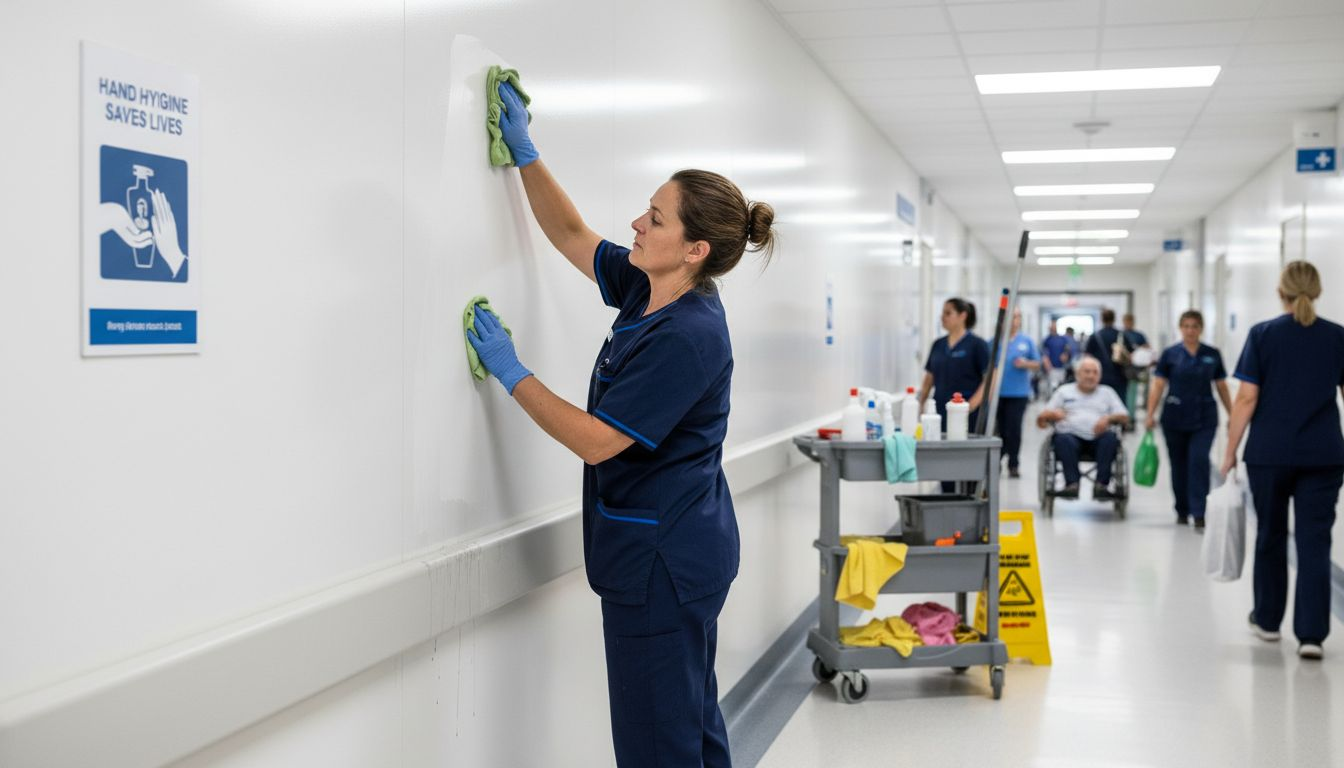
Keeping medical facilities clean is a constant challenge when so many people, patients and staff move through the same spaces each day. The right wall covering makes a huge difference, stopping bacteria and mould from spreading and helping you keep every area spotless with less effort. From patient areas to surgical rooms, the right choice delivers both reliable hygiene and long-term value.
This list reveals which hygienic wall coverings protect your environment and why smart hospitals, clinics and surgeries rely on them. You will uncover how these materials combine easy cleaning, durability and strict infection control, saving time and trouble while keeping your facility up to health standards. Find out which options offer real peace of mind for you and everyone using your building.
Table of Contents
PVC Wall Cladding: Durable And Easy To Clean
Acrylic Wall Panels: High Gloss And Impact Resistant
Stainless Steel Cladding: Maximum Hygiene And Strength
FRP Panels: Strong And Moisture Resistant
Laminate Wall Panels: Cost-Effective For Dry Areas
Antimicrobial Wall Sheets: Extra Protection Against Germs
Decorative Hygienic Cladding: Style With Compliance
Quick Summary
Key Message | Explanation |
1. PVC wall cladding prevents bacteria | Its seamless surface and moisture-proof construction significantly reduce bacterial accumulation and support hygiene in healthcare settings. |
2. Acrylic panels enhance aesthetics and hygiene | Ultra-smooth, high-gloss surfaces provide both visual appeal and ease of cleaning, essential for busy medical environments. |
3. Stainless steel cladding offers durability | Corrosion-resistant and non-porous, it maintains hygiene standards while enduring harsh cleaning protocols in clinical settings. |
4. FRP panels are lightweight and moisture-resistant | These panels are easy to install and provide excellent resistance to mildew, ideal for various healthcare applications. |
5. Antimicrobial wall sheets actively combat germs | Embedded technologies reduce microbial growth, making them crucial for high-risk areas within healthcare facilities. |
1. PVC Wall Cladding: Durable and Easy to Clean
PVC wall cladding represents a revolutionary solution for healthcare environments requiring stringent hygiene standards. These rigid plastic panels provide an exceptional barrier against bacterial contamination and moisture intrusion.
Healthcare facilities demand wall surfaces that can withstand constant cleaning, resist microbial growth, and maintain a pristine appearance. PVC wall cladding delivers precisely these capabilities through its unique engineering:
Seamless surface preventing bacterial accumulation
High impact resistance for busy hospital corridors
Moisture-proof construction preventing mould and mildew
Chemical-resistant properties enabling robust sanitisation
Simple maintenance requiring minimal specialised cleaning
Hygienic wall cladding transforms clinical environments from potential infection zones to protected, easily maintained spaces.
The panels create a continuous, non-porous surface that actively resists microbial colonisation. Unlike traditional wall materials such as paint or plasterboard, PVC cladding eliminates microscopic crevices where pathogens could potentially hide and multiply.
Installation involves creating a smooth, sealed wall covering that can be quickly wiped down with standard hospital-grade disinfectants. This efficiency reduces cleaning time and minimises the risk of cross-contamination.
Pro tip: Select wall cladding panels with smooth, sealed edges to maximise infection control and simplify your cleaning protocols.
2. Acrylic Wall Panels: High Gloss and Impact Resistant
Acrylic wall panels represent an exceptional solution for healthcare environments demanding superior hygienic performance and aesthetic appeal. Advanced medical facilities increasingly rely on these innovative surface coverings to meet stringent cleanliness requirements.
Designed with cutting-edge engineering, acrylic panels offer remarkable characteristics that make them ideal for high-traffic medical zones:
Ultra-smooth surface preventing bacterial retention
Exceptional optical clarity enhancing visual aesthetics
High impact resistance minimising structural damage
Chemical-resistant properties enabling thorough sanitisation
Easy-clean functionality reducing maintenance time
Acrylic wall panels transform clinical spaces by combining robust protection with elegant design.
The non-porous composition of acrylic ensures that microorganisms cannot penetrate or colonise the surface. Unlike traditional materials, these panels create an impenetrable barrier against potential infection sources, making them crucial in environments such as hospitals, dental clinics, and laboratory settings.
Healthcare professionals appreciate how these panels maintain their pristine appearance while withstanding intense cleaning protocols. Their high-gloss finish not only looks professional but also facilitates rapid disinfection processes.
Pro tip: Select acrylic panels with textured edges to further enhance microbial resistance and simplify your infection control strategies.
3. Stainless Steel Cladding: Maximum Hygiene and Strength
Stainless steel wall cladding represents the gold standard for hygienic environments where maximum durability and infection control are paramount. Transforming modern healthcare spaces requires materials that can withstand constant sanitisation and harsh cleaning protocols.
Healthcare facilities demand wall surfaces that combine exceptional performance with uncompromising cleanliness. Stainless steel cladding delivers these critical requirements through several extraordinary features:
Corrosion-resistant surface preventing material degradation
Seamless installation eliminating bacterial hiding spots
Exceptional durability reducing long-term maintenance costs
Temperature-tolerant construction enabling intense cleaning
Non-porous composition blocking microbial growth
Stainless steel wall panels transform clinical environments into impenetrable hygiene zones.
The metallic surface composition provides intrinsic antimicrobial properties that actively resist bacterial colonisation. Unlike organic materials, stainless steel creates an inhospitable environment for pathogens, making it ideal for operating theatres, laboratory spaces, and high-traffic medical corridors.
Engineered with precision, these panels can endure aggressive chemical disinfectants, extreme temperature variations, and mechanical impacts without compromising structural integrity. Their smooth, reflective finish not only looks professional but facilitates rapid and thorough cleaning procedures.
Pro tip: Select stainless steel cladding with micro-textured surfaces to enhance grip while maintaining superior hygienic performance.
4. FRP Panels: Strong and Moisture Resistant
Fiberglass Reinforced Plastic (FRP) wall panels offer healthcare facilities an exceptional solution for maintaining rigorous hygiene standards. Hygienic wall panel technology continues to evolve, providing innovative materials that meet complex institutional requirements.
Engineered with advanced composite materials, these panels deliver remarkable performance characteristics that distinguish them from traditional wall coverings:
Non-porous surface preventing bacterial colonisation
Lightweight construction enabling easy installation
Superior moisture resistance blocking mildew growth
Chemical-tolerant composition withstanding intense cleaning
Impact-resistant design reducing maintenance costs
FRP panels transform clinical environments into robust, hygienic spaces.
The unique molecular structure combines fiberglass reinforcement with specialised resin, creating a seamless barrier against contamination. Unlike conventional materials, FRP panels eliminate microscopic crevices where pathogens might accumulate, making them ideal for operating theatres, laboratories, and high-traffic medical corridors.
Healthcare facility managers appreciate how these panels provide consistent performance under demanding conditions. Their smooth surface facilitates rapid cleaning protocols while maintaining structural integrity against mechanical stress and chemical disinfectants.
Pro tip: Select FRP panels with slightly textured surfaces to enhance slip resistance without compromising your hygienic cleaning standards.
5. Laminate Wall Panels: Cost-Effective for Dry Areas
Laminate wall panels offer healthcare facilities an affordable and aesthetically versatile solution for maintaining clean and professional spaces. Hygienic design strategies continue to evolve, providing cost-conscious organisations with practical wall covering options.
These innovative panels deliver remarkable performance characteristics tailored for dry clinical environments:
Low maintenance requirements reducing ongoing costs
Design flexibility enabling visual customisation
Smooth surface minimising dirt accumulation
Lightweight construction simplifying installation
Economical pricing supporting budget constraints
Laminate wall panels transform institutional spaces with practical elegance.
The modular panel design allows healthcare administrators to create visually appealing environments without compromising on functionality. Large sheet sizes strategically minimise joint areas where bacteria might potentially accumulate, presenting a clean and streamlined aesthetic.
Practical and versatile, laminate panels work exceptionally well in GP practices, waiting rooms, administrative areas, and other low-moisture healthcare settings. Their ability to withstand regular cleaning while maintaining an attractive appearance makes them an intelligent choice for budget-conscious facilities.
Pro tip: Choose laminate panels with subtle textures to enhance visual interest while maintaining easy-clean properties.
6. Antimicrobial Wall Sheets: Extra Protection Against Germs
Antimicrobial wall sheets represent a cutting-edge solution for healthcare environments seeking advanced infection control strategies. Antimicrobial wall cladding provides an innovative layer of defence against potentially harmful microorganisms.
These specialised wall coverings incorporate advanced technologies designed to actively reduce microbial presence:
Embedded silver ion technology destroying bacterial cells
Continuous protective barrier preventing pathogen spread
Long-lasting antimicrobial effectiveness reducing infection risks
Seamless surface minimising bacterial accumulation
Scientifically engineered materials targeting microbe growth
Antimicrobial wall sheets transform clinical spaces into proactive infection control zones.
The molecular engineering behind these wall sheets enables them to interrupt bacterial cell processes. Unlike traditional wall coverings, antimicrobial sheets actively neutralise microorganisms rather than passively resisting their growth.
Healthcare facilities can strategically deploy these wall sheets in high-risk areas such as intensive care units, isolation rooms, surgical corridors, and patient treatment zones where infection prevention is critically important.
Pro tip: Complement antimicrobial wall sheets with regular cleaning protocols to maximise their protective potential.
7. Decorative Hygienic Cladding: Style with Compliance
Decorative hygienic cladding bridges the critical gap between aesthetic appeal and stringent infection control requirements in modern healthcare environments. Healthcare interior design solutions now prioritise creating healing spaces that are both visually engaging and clinically safe.
These innovative wall coverings offer healthcare facilities multiple strategic advantages:
Design flexibility enabling personalised interior aesthetics
Infection control through smooth bacterial-resistant surfaces
Visual warmth creating calming patient environments
Durable construction minimising maintenance requirements
Colour and texture variety supporting therapeutic design principles
Decorative hygienic cladding transforms clinical spaces into healing environments.
The scientific approach to design recognises that visual environments significantly impact patient recovery and staff wellbeing. By integrating aesthetic considerations with robust hygienic performance, these wall coverings go beyond mere surface treatments.
Healthcare administrators can now select wall coverings that communicate care through both their functional performance and their visual language. Soft colours, textured finishes, and thoughtful design patterns contribute to reducing patient stress while maintaining rigorous cleanliness standards.
Pro tip: Select decorative cladding with subtle patterns that visually break up wall surfaces while maintaining easy-clean properties.
Below is a compiled table summarising the various types of wall cladding solutions discussed in the article and their specific characteristics and benefits for healthcare environments.
Type | Key Characteristics | Healthcare Applications |
PVC Wall Cladding | Seamless surface, moisture-proof construction, chemical resistance, simple maintenance | Suitable for high-hygiene settings such as hospital corridors requiring frequent cleaning |
Acrylic Wall Panels | Ultra-smooth non-porous surface, high impact resistance, chemical-resistant | Best for aesthetic-focused environments including medical facilities and laboratories |
Stainless Steel Cladding | Corrosion-resistant surface, exceptional durability, metallic intrinsic antimicrobial properties | Ideal for operating theatres and high-impact zones demanding resistance to pathogens |
FRP Panels | Non-porous surface, moisture resistance, lightweight, impact and chemical resistant | Effective in high-traffic and moisture-prone areas like surgical suites and laboratories |
Laminate Wall Panels | Smooth surface, design flexibility, cost-effective solutions | Appropriate for dry areas such as waiting rooms and administrative spaces |
Antimicrobial Wall Sheets | Embedded silver ion technology, continuous protective barrier, long-lasting effectiveness against microorganism growth | Especially important in high-infection-risk areas like intensive care units and isolation rooms |
Decorative Hygienic Cladding | Infection control combined with design flexibility, visual comfort, durable construction | Used to create soothing healthcare environments blending aesthetics with practicality |
Transform Healthcare Spaces with Hygienic Wall Cladding Solutions
Ensuring impeccable hygiene and durability in healthcare settings is a challenge that no facility can overlook. The article highlights the critical need for wall cladding that offers seamless surfaces, moisture resistance, and powerful antimicrobial properties. Whether your goal is to reduce bacterial contamination with PVC wall cladding or boost impact resistance with stainless steel options, every choice must support rigorous sanitation demands while simplifying maintenance.
Discover the perfect balance of functionality and style with our extensive range at Hygienic Sheets. From premium PVC wall panels to specialised antimicrobial sheets, our products enable you to create safe, easy-to-clean environments across hospitals, laboratories, and clinical spaces. Fast nationwide delivery, competitive pricing, and expert support mean your next project meets health standards without compromise.
Take control of your infection prevention strategy today by exploring our comprehensive range of hygienic cladding and accessories. Visit Hygienic Sheets now for durable, moisture-proof, and low-maintenance wall cladding solutions that transform healthcare sites into protected healing environments. Make your facility safer with cladding that stands up to intense cleaning protocols and maintains a pristine appearance.
Frequently Asked Questions
What are the benefits of using PVC wall cladding in healthcare settings?
PVC wall cladding provides a durable, seamless surface that actively resists bacterial growth, making it ideal for healthcare environments. To maximise hygiene, choose smooth panels that require minimal cleaning and can be quickly disinfected.
How does acrylic wall cladding enhance the hygiene of clinical spaces?
Acrylic wall cladding features an ultra-smooth, non-porous surface that prevents microbial colonisation, enhancing the cleanliness of clinical spaces. Consider installing these panels in high-traffic areas where aesthetics and hygiene are equally important.
What conditions are best suited for stainless steel cladding?
Stainless steel cladding is best suited for environments requiring maximum hygiene and durability, such as operating theatres and laboratories. Ensure tight, seamless installations to eliminate hidden spots where bacteria could accumulate.
How can FRP panels improve infection control in healthcare facilities?
FRP panels offer superior moisture and chemical resistance, preventing bacterial growth in damp environments. Opt for FRP in areas like operating theatres, and check that the panels have a smooth finish to facilitate cleaning.
What makes antimicrobial wall sheets different from traditional wall coverings?
Antimicrobial wall sheets actively neutralise bacteria using embedded technologies, providing an extra layer of protection compared to standard materials. Implement these sheets in high-risk areas to significantly reduce infection risks.
How do decorative hygienic cladding options support a positive healthcare environment?
Decorative hygienic cladding combines aesthetic appeal with infection control features, creating a calming atmosphere for patients while maintaining cleanliness. Choose patterns that break up wall surfaces to enhance visual interest while ensuring easy maintenance.
Recommended
Comments