

PVC Ceiling Cladding – Ensuring Hygiene Standards
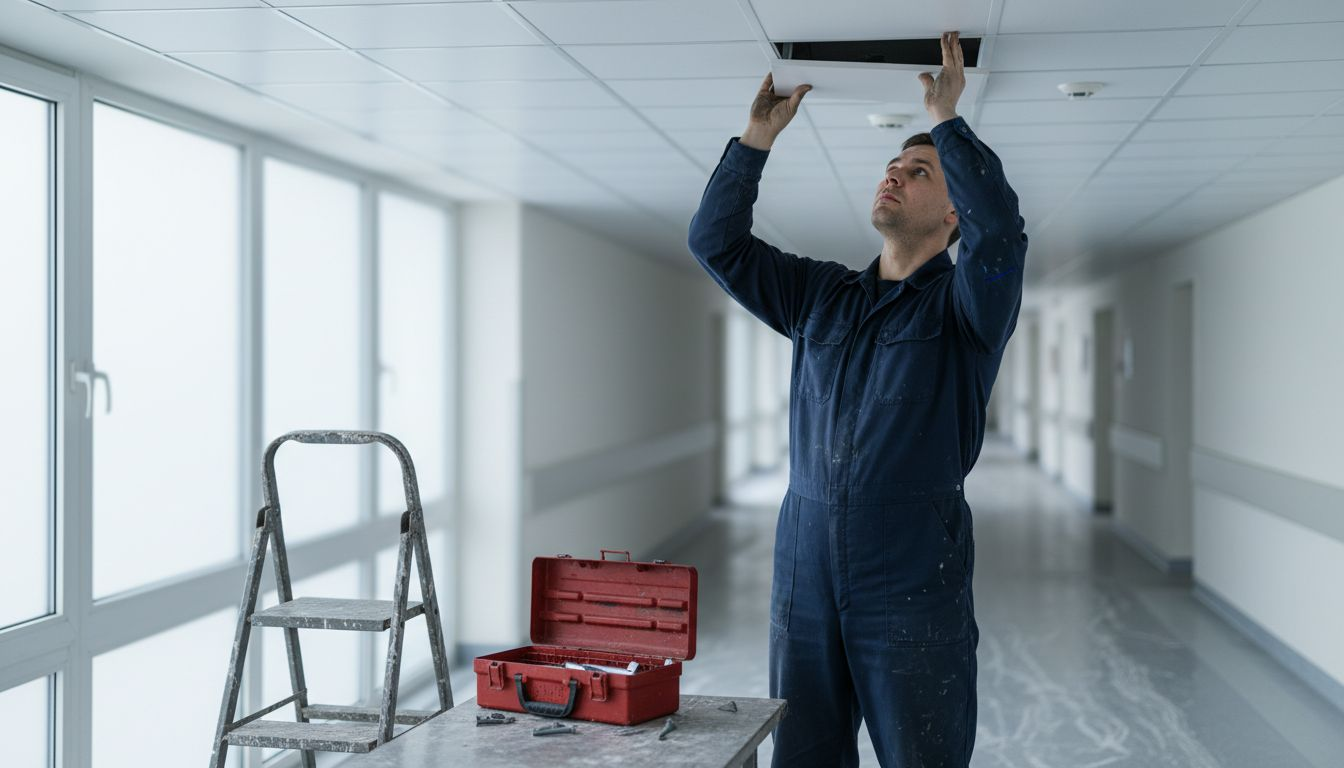
How PVC Ceiling Cladding Supports Hygiene Compliance
Meeting rigorous hygiene standards in busy British medical and food preparation settings is a constant challenge for facility managers. PVC ceiling cladding has emerged as a sophisticated answer, offering a blend of water resistance, fire retardance, and easy maintenance that directly tackles the demands of healthcare and commercial kitchens. Modern innovations have transformed PVC from a basic plastic to an advanced system that supports compliance with cleanliness regulations and ensures long-term performance. For those tasked with upholding standards, understanding hygienic PVC ceiling cladding means staying ahead of both safety and reputation concerns.
Table of Contents
PVC Ceiling Cladding Defined And Misunderstood
Types Of PVC Ceiling Cladding Systems
Key Features For Hygiene And Durability
Installation Process And Maintenance Needs
Compliance With UK Hygiene Regulations
Alternatives And Cost Implications
Key Takeaways
Point | Details |
Modern PVC Ceiling Cladding | PVC ceiling panels are advanced materials offering exceptional water resistance, durability, and maintenance benefits, suitable for critical environments. |
Installation Methods | Options include surface-mounted and suspended systems, each catering to different architectural needs and installation processes. |
Hygiene and Regulatory Compliance | PVC ceiling cladding must meet stringent hygiene and safety standards; verify certifications to ensure compliance with UK regulations. |
Cost-Effectiveness | While initial costs may vary, PVC cladding often provides superior long-term value compared to alternatives, factoring in maintenance and lifespan. |
PVC ceiling cladding defined and misunderstood
Poly (vinyl chloride), commonly known as PVC, represents a sophisticated polymer material used extensively in modern construction. Engineered polymer technology enables manufacturers to create ceiling cladding solutions that challenge traditional perceptions about plastic building materials.
PVC ceiling panels are lightweight, versatile sheets designed to transform interior spaces while delivering exceptional performance. These engineered panels offer remarkable characteristics that often surprise facility managers and contractors:
Highly water-resistant surface
Exceptional durability against moisture
Termite and mould-proof construction
Fire retardant properties
Easy maintenance and cleaning
Contrary to common misconceptions, modern PVC ceiling cladding is not a basic plastic product. Innovative manufacturing processes have transformed these panels into sophisticated building materials capable of meeting stringent hygiene requirements in commercial environments like healthcare facilities and commercial kitchens.
The material’s thermal stability and chemical composition make it particularly suitable for spaces demanding exceptional cleanliness. Professional-grade PVC ceiling panels now incorporate advanced stabilisers and modifications that dramatically enhance their performance, addressing historical concerns about material degradation.
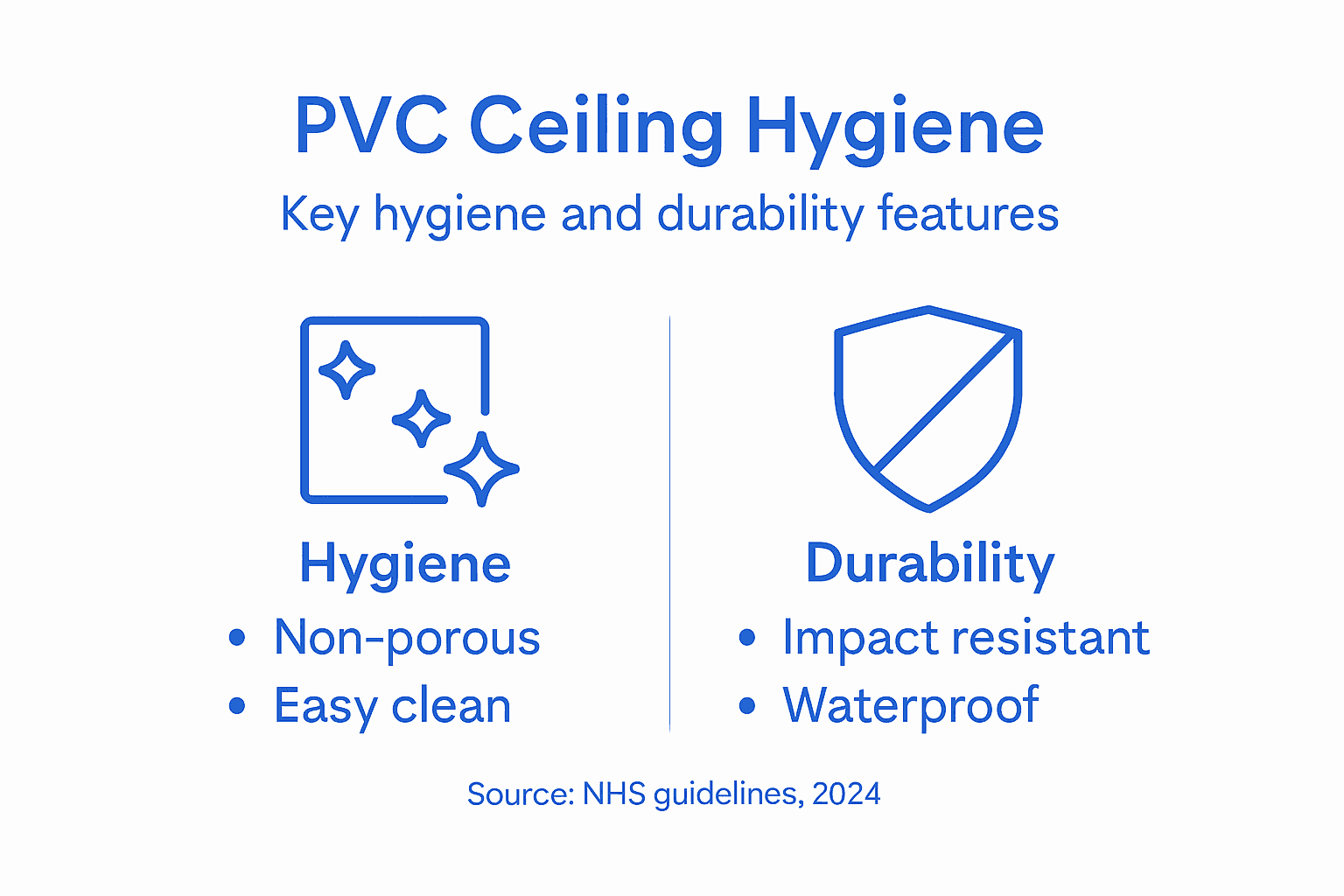
Pro tip: Always verify the specific hygiene certification of PVC ceiling panels before installation to ensure they meet your facility’s precise environmental and regulatory standards.
Types of PVC ceiling cladding systems
PVC ceiling cladding encompasses diverse systems designed to meet specific architectural and functional requirements. Comprehensive ceiling panel classifications reveal multiple installation approaches that cater to different commercial and residential environments.
The primary installation methods include:
Surface-mounted panels
Directly installed on existing ceiling structures
Simpler installation process
Ideal for spaces with minimal infrastructure requirements
Suspended or drop ceiling panels
Created as false ceiling beneath existing structures
Allows concealment of electrical wiring and infrastructure
Provides additional space for mechanical systems
Innovative panel designs further expand the versatility of PVC ceiling systems, offering multiple aesthetic and functional variations:
Hollow core panels
Solid panels
Printed decorative panels
3D textured panels
Glossy finish panels
Matte finish panels
Each panel type presents unique characteristics tailored to specific environmental demands. Professional facility managers must consider factors like moisture resistance, thermal stability, and maintenance requirements when selecting appropriate PVC ceiling cladding systems.
Pro tip: Consult technical specifications and conduct site-specific assessments to determine the most suitable PVC ceiling cladding system for your precise architectural and hygienic requirements.
Key features for hygiene and durability
Antimicrobial technologies have revolutionised PVC ceiling cladding, transforming these panels into sophisticated hygienic solutions for critical environments. Modern PVC ceiling systems incorporate advanced features that address complex cleanliness and durability requirements across multiple professional settings.
Key hygiene and durability characteristics include:
Antimicrobial protection
Silver ion technology embedded in panel surfaces
Inhibits bacterial growth even on worn surfaces
Maintains hygiene standards over extended periods
Resistance capabilities
Chemical resistance
Impact resistance
High fire retardance
Waterproof surface properties
Advanced panel technologies demonstrate remarkable performance attributes that distinguish PVC ceiling cladding from traditional materials. Professional-grade panels deliver exceptional resistance against frequent cleaning, mechanical stress, and environmental challenges.
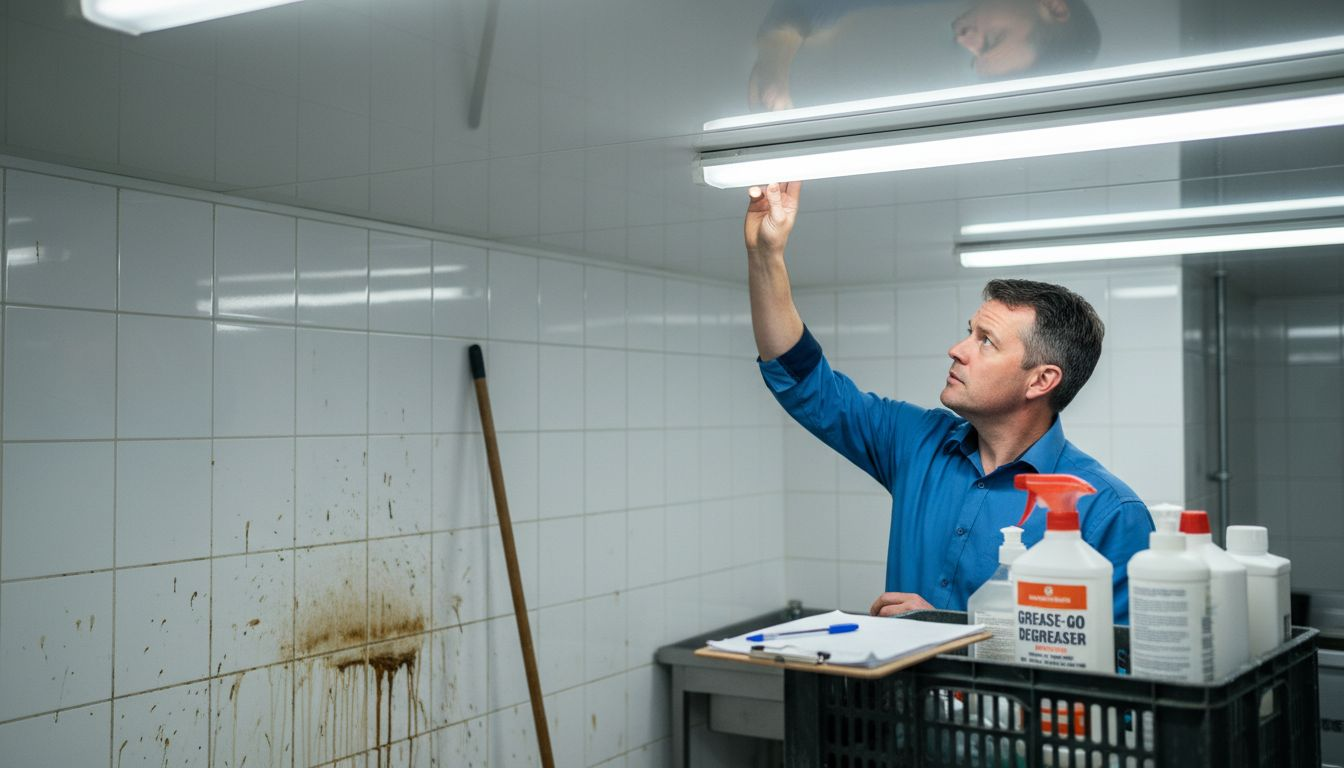
The comprehensive feature set ensures optimal performance in demanding environments such as healthcare facilities, commercial kitchens, and food production areas. Professional facility managers can rely on these engineered solutions to maintain stringent hygiene protocols while ensuring long-term structural integrity.
Pro tip: Request detailed technical specifications and independent certification documents when selecting PVC ceiling cladding to validate its specific hygiene and durability performance.
Installation process and maintenance needs
Professional PVC ceiling cladding installation requires meticulous attention to detail and precision to ensure optimal performance and longevity. Understanding the correct techniques helps facility managers achieve a seamless, hygienic ceiling solution that meets stringent commercial standards.
The installation process involves several critical steps:
Preparation Stage
Measure ceiling area precisely
Ensure surface is clean, dry, and level
Check structural integrity of existing ceiling
Framing and Preparation
Install appropriate trim and profile systems
Create level mounting surface
Address any structural irregularities
Panel Installation
Cut panels using specialised tools
Utilise tongue-and-groove fitting technique
Secure panels with recommended fasteners
Apply appropriate sealants
Maintenance represents another crucial aspect of PVC ceiling cladding management. Proper care ensures continued hygienic performance and extends the panel’s operational lifespan:
Use mild, non-abrasive detergents
Avoid harsh chemical cleaners
Implement regular cleaning schedules
Inspect for damage or wear periodically
Clean with soft cloths or non-scratching sponges
Pro tip: Develop a structured maintenance log to track cleaning frequency, products used, and any observed panel conditions to maintain warranty compliance and optimal hygiene standards.
Compliance with UK hygiene regulations
Healthcare ceiling material regulations establish stringent requirements for surface materials in medical and commercial environments. These comprehensive guidelines mandate specific performance criteria that PVC ceiling cladding must satisfy to ensure optimal hygiene and safety standards.
Key regulatory compliance requirements include:
Surface characteristics
Non-absorbent material
Smooth, seamless finish
Bacterial resistance
Easy to clean and sanitise
Durable under repeated cleaning processes
Certification standards
UKCA marking compliance
Fire safety certification
Hygiene performance verification
Durability testing
Material traceability documentation
Construction product regulations in Great Britain impose additional layers of oversight on PVC ceiling cladding materials. These regulations ensure that every panel installed meets exacting national standards for safety, performance, and environmental integrity.
Facility managers must carefully verify that selected PVC ceiling cladding products demonstrate full compliance with NHS Health Building Notes and UK Construction Products Regulations. This diligence protects against potential regulatory breaches and ensures optimal hygiene management in critical environments.
The following table summarises key regulatory documents relevant to UK PVC ceiling cladding installations:
Regulation / Standard | Focus Area | Applies To |
NHS Health Building Notes | Hygiene and surface safety | Healthcare environments |
Construction Products Regulations | Material traceability, safety | All construction products |
UKCA Marking | Product conformity | Manufactured components |
Fire Safety Certification | Resistance to fire spread | Ceilings and wall panels |
Pro tip: Always request comprehensive technical documentation and certification details from manufacturers to validate regulatory compliance before final installation.
Alternatives and cost implications
Comparative ceiling material analysis reveals multiple options beyond PVC ceiling cladding, each presenting unique cost and performance characteristics. Understanding these alternatives helps facility managers make informed investment decisions tailored to specific environmental requirements.
Ceiling material alternatives include:
Metal Ceilings
Superior fire resistance
Excellent moisture protection
Higher initial installation cost
Longer operational lifespan
Gypsum Board Ceilings
Low initial purchase price
Limited moisture resistance
Reduced durability
Higher maintenance requirements
Mineral Wool Ceilings
Good fire performance
Moderate acoustic properties
Mid-range pricing
Limited hygienic characteristics
Cost-effectiveness analysis demonstrates that PVC ceiling cladding often provides the most balanced solution. While initial investment might appear higher compared to alternatives like fiberglass, long-term maintenance costs and performance characteristics frequently justify the expenditure.
Here’s a comparison of common ceiling materials by performance criteria:
Material Type | Hygiene Management | Maintenance Frequency | Longevity |
PVC Cladding | Excellent, meets NHS | Low, easy to clean | 15+ years if maintained |
Metal Ceilings | Very good, non-porous | Low, resists corrosion | Over 20 years |
Gypsum Board | Moderate, can absorb | High, prone to staining | 10-15 years, varies |
Mineral Wool | Fair, traps particulates | Moderate, needs checks | 10-15 years |
Professional facility managers must conduct comprehensive lifecycle cost assessments, considering not just purchase price but also cleaning requirements, replacement frequency, and potential hygiene-related expenses when selecting ceiling materials.
Pro tip: Calculate total lifecycle costs, including installation, maintenance, and potential replacement, rather than focusing solely on initial material prices.
Achieve Ultimate Hygiene and Durability with Professional PVC Ceiling Cladding Solutions
Maintaining impeccable hygiene in critical environments such as healthcare facilities and commercial kitchens demands more than basic ceiling materials. The article highlights key challenges like ensuring antimicrobial protection, water resistance and compliance with UK hygiene regulations. If you seek durable, easy-to-clean PVC ceiling cladding that meets stringent hygiene standards and fire safety certifications, your search ends here. Our expertly engineered panels provide outstanding resistance against moisture, mould and bacteria while offering seamless installation and long-lasting performance.
Discover our comprehensive range of hygienic PVC wall and ceiling cladding, trims and related accessories designed specifically for demanding commercial and industrial spaces. Every product available through Hygienic Sheets delivers the quality, certifications and competitive pricing trusted by contractors and facility managers across the UK.
Elevate your facility’s hygiene standards today by choosing premium wall and ceiling cladding solutions from Hygienic Sheets. Explore our products now and benefit from fast nationwide delivery tailored for small or large projects. Don’t compromise when it comes to safety and cleanliness—visit Hygienic Sheets to get started on your next project with confidence.
Frequently Asked Questions
What is PVC ceiling cladding?
PVC ceiling cladding is a sophisticated polymer material that provides lightweight, versatile panels designed for transforming interior spaces while offering exceptional performance, including water resistance, durability, and easy maintenance.
How does PVC ceiling cladding ensure hygiene standards?
Modern PVC ceiling panels incorporate antimicrobial technology, are non-absorbent, and feature smooth, seamless finishes that inhibit bacterial growth, making them suitable for critical environments like healthcare facilities and commercial kitchens.
What are the different installation methods for PVC ceiling cladding?
PVC ceiling cladding can be installed using surface-mounted panels directly on existing ceilings or as suspended/drop ceilings that conceal wiring and other infrastructure, depending on the architectural needs of the space.
How do I maintain PVC ceiling cladding to ensure its longevity?
To maintain PVC ceiling cladding, use mild, non-abrasive detergents and soft cloths for cleaning, implement regular maintenance schedules, and inspect for any damage or wear to extend its operational lifespan.
Recommended
Comments