

Key Features of Hygienic Cladding in Healthcare
Updated: Feb 9
Why Hygienic Cladding Is Ideal for Healthcare Facilities
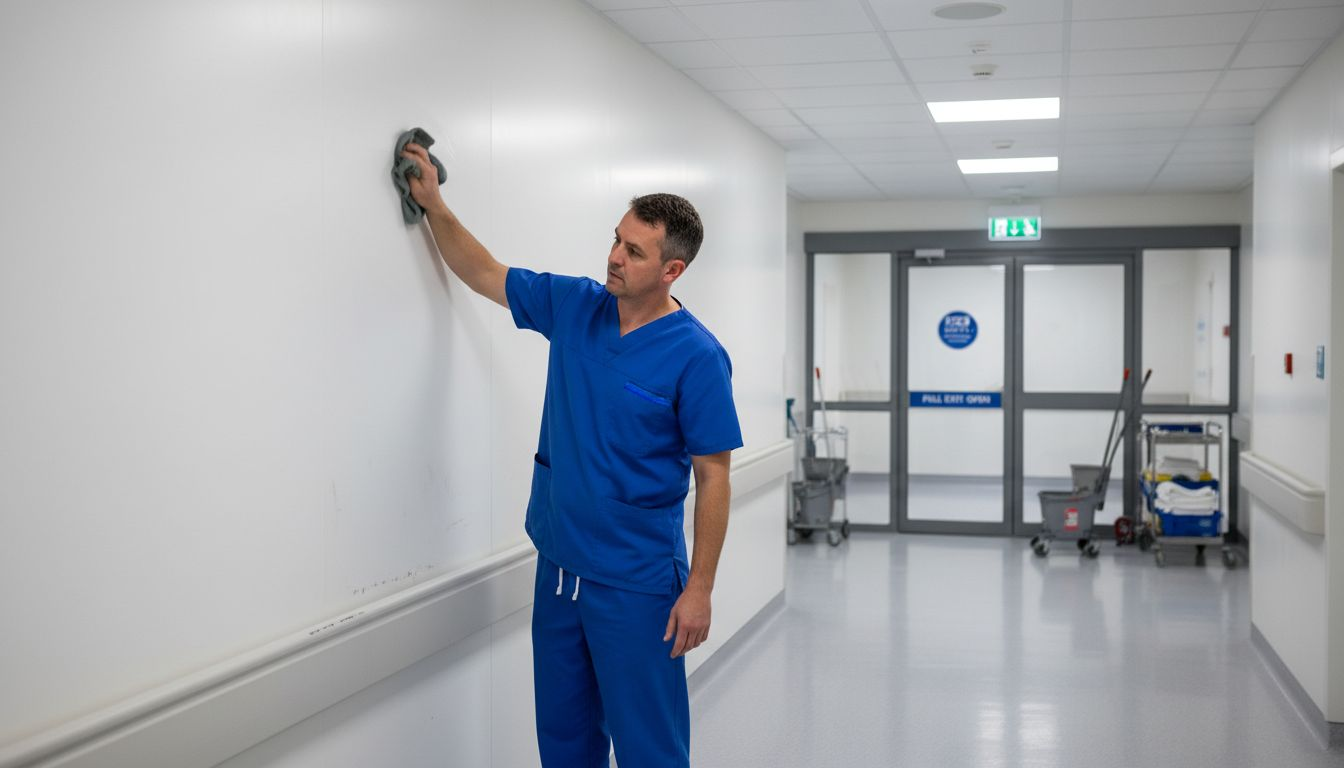
Keeping every patient area safe from infection starts with the surfaces facility managers choose. In United Kingdom healthcare buildings, strict cleanliness standards demand wall systems that go beyond ordinary finishes. Facility managers need reliable solutions that withstand harsh cleaning routines, resist microbial contamination, and help prevent healthcare-associated infections. This piece explains how hygienic cladding delivers durable protection, engineered for intense sanitisation and certified for compliance with rigorous NHS requirements.
Table of Contents
What Makes Cladding Hygienic? Core Principles
Types of Hygienic Cladding for Healthcare
Essential Features Driving Infection Control
Cleaning, Longevity, and Maintenance Demands
Compliance With NHS and Safety Standards
Choosing the Right System for Facilities
Key Takeaways
Point | Details |
Hygienic Cladding Principles | Employ seamless, non-porous, and antimicrobial materials to minimise microbial growth in healthcare settings. |
Material Types | Utilise various materials like PVC, stainless steel, and antibacterial surfaces to enhance infection control and durability. |
Maintenance and Compliance | Ensure cladding systems are chemical-resistant and maintain NHS standards for safety and cleanliness. |
Strategic Selection | Assess cladding options based on performance, infection control capabilities, and long-term cost-effectiveness. |
What Makes Cladding Hygienic? Core Principles
Healthcare facilities require specialised wall systems designed to prevent microbial growth and support rigorous infection control standards. Hygienic cladding represents a critical engineering solution that transforms standard wall surfaces into protective barriers against potential healthcare-associated infections.
The core principles of hygienic cladding centre around several fundamental attributes that make these wall systems uniquely suited for medical environments:
Seamless surface design that eliminates bacterial hiding spots
Non-porous materials preventing moisture absorption
Antimicrobial properties that actively resist microbial colonisation
Easy-clean surfaces supporting rapid disinfection protocols
According to infection control environmental guidelines, healthcare environments must minimise potential contamination reservoirs through strategic material selection. Hygienic cladding achieves this by providing a continuous, impermeable surface that dramatically reduces the potential for pathogen survival.
The most effective hygienic cladding systems incorporate advanced material technologies that create multiple defensive layers against microbial proliferation. These systems are engineered to withstand frequent cleaning, chemical disinfectants, and maintain structural integrity under intense sanitation regimes.
Effective infection control begins with preventing microbial colonisation at the surface level.
Pro tip: When selecting hygienic cladding, prioritise solutions with certified antimicrobial ratings and proven performance in clinical environments.
Types of Hygienic Cladding for Healthcare
Healthcare environments demand specialised wall cladding solutions that provide maximum infection control and durability. Understanding the different cladding materials for healthcare sites is crucial for facility managers seeking optimal infection prevention strategies.
The primary types of hygienic cladding for healthcare settings include:
PVC wall panels with seamless, non-porous surfaces
Stainless steel cladding offering robust antimicrobial properties
Composite wall systems with advanced protective coatings
Fiberglass reinforced panels providing exceptional durability
Antibacterial engineered surfaces with integrated microbial resistance
According to CDC environmental guidelines, these materials are selected based on critical performance criteria such as:
Ability to withstand frequent chemical disinfection
Smooth surfaces preventing bacterial accumulation
Resistance to moisture and potential microbial growth
Long-term structural integrity under intense cleaning regimes
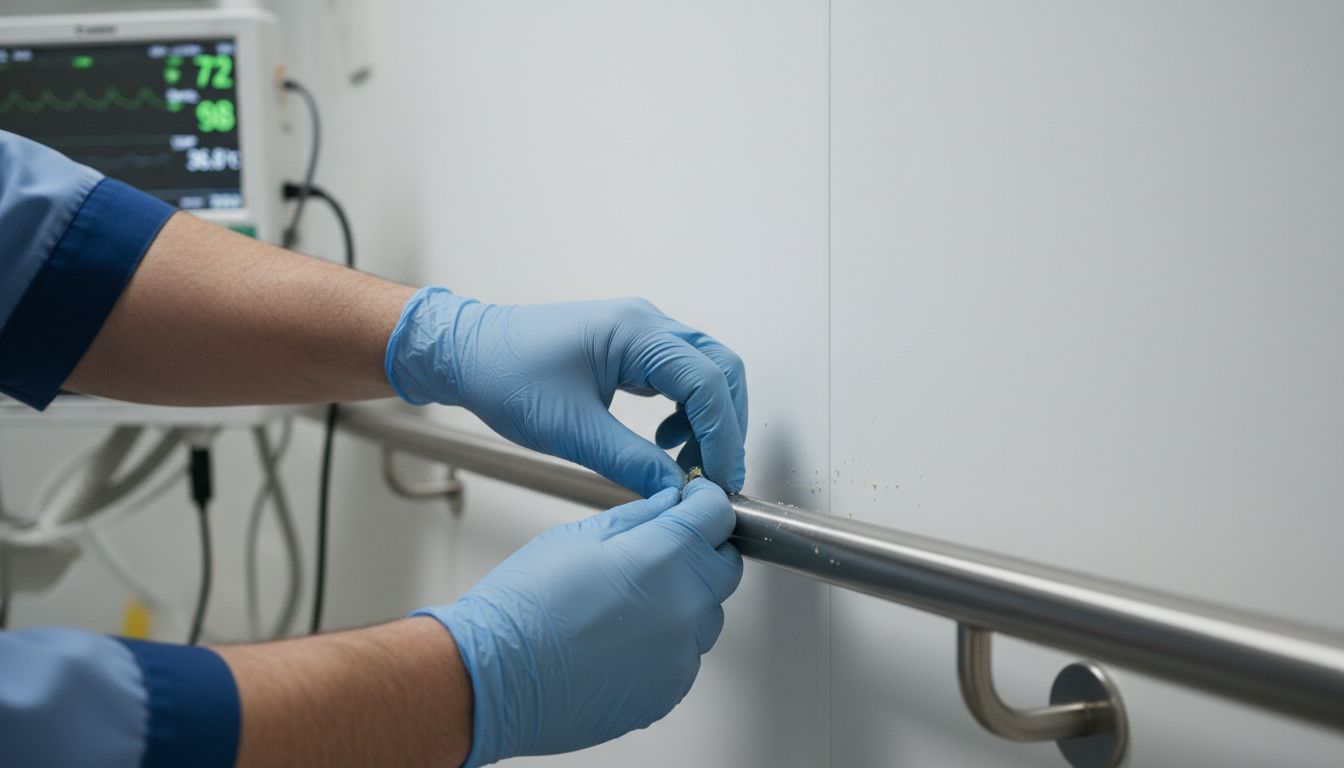
Antimicrobial cladding represents a sophisticated approach to infection control, incorporating advanced material technologies that actively suppress pathogen survival. These innovative solutions transform standard wall surfaces into dynamic protective barriers against healthcare-associated infections.
Here is a summary comparing key hygienic cladding materials for healthcare environments:
Material Type | Antimicrobial Effect | Cleaning Resistance | Typical Applications |
PVC Wall Panels | Moderate, surface | High; withstand chemicals | Corridors, patient rooms |
Stainless Steel Cladding | Strong, inherent | Exceptional; abrasion proof | Surgical suites, kitchens |
Composite Wall Systems | Advanced, multilayer | Very high; protected surface | Laboratories, isolation units |
Fibreglass Reinforced Panels | Good, integrated | High; resistant to wear | Emergency areas, ICU |
Antibacterial Engineered | Maximum, embedded | Optimal; tailored compatibility | High-risk zones, diagnostic spaces |
Selecting the right cladding material is a critical first line of defence in preventing healthcare-associated infections.
Pro tip: Consult with infection control specialists to match specific cladding materials with your healthcare environment’s unique sanitisation requirements.
Essential Features Driving Infection Control
Infection control in healthcare environments demands a strategic approach to surface design and material selection. Comprehensive infection prevention strategies focus on creating environments that actively minimise pathogen transmission and support rigorous cleaning protocols.
The essential features driving effective infection control in hygienic cladding systems include:
Seamless surface construction eliminating bacterial collection points
Impermeable material composition preventing moisture penetration
Chemical-resistant surfaces withstanding intensive disinfection processes
Smooth, non-porous textures facilitating thorough cleaning
Antimicrobial integrated technologies suppressing microbial growth
Healthcare facilities require wall systems that go beyond traditional surface treatments. These advanced cladding solutions must demonstrate:
Rapid microbial decontamination capabilities
Resistance to harsh cleaning chemicals
Minimal surface porosity
Structural durability under repeated sanitisation
Innovative surface engineering transforms healthcare environments by creating dynamic barriers against potential infection vectors. By implementing sophisticated material technologies, these cladding systems actively contribute to patient safety and infection prevention strategies.
Effective infection control is not just about cleaning - it’s about creating environments that inherently resist microbial colonisation.
Pro tip: Prioritise cladding solutions with independently verified antimicrobial performance ratings and comprehensive cleaning compatibility documentation.
Cleaning, Longevity, and Maintenance Demands
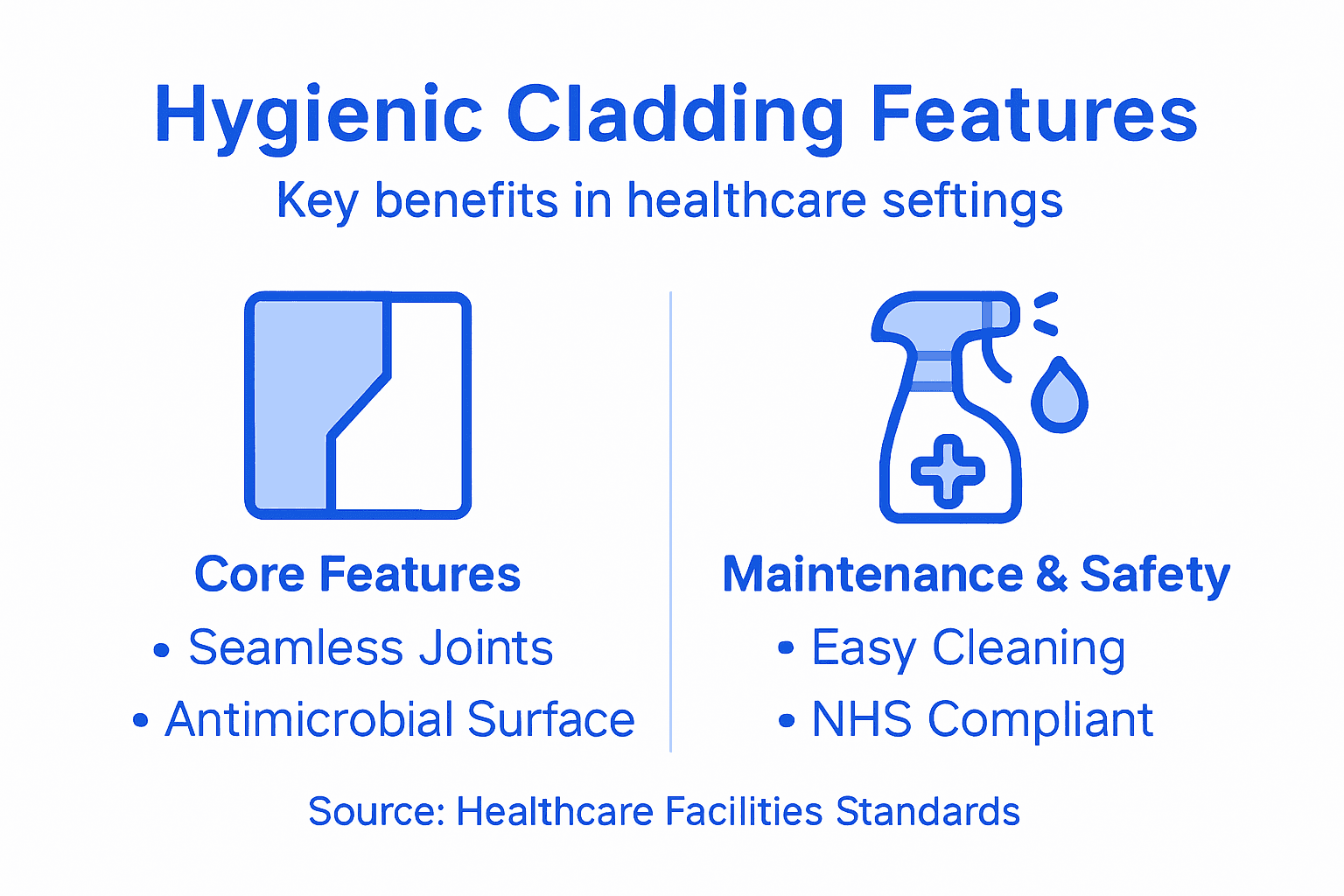
Healthcare environments require hygienic cladding systems that maintain exceptional performance under intense and repeated cleaning protocols. Comprehensive environmental cleaning procedures highlight the critical importance of selecting materials that can withstand rigorous sanitisation without compromising structural integrity.
Key maintenance considerations for healthcare cladding include:
Chemical resistance against strong disinfectants
Durability under frequent cleaning cycles
Surface integrity preventing microbial infiltration
Easy maintenance reducing long-term replacement costs
Rapid decontamination capabilities
Healthcare facility managers must evaluate cladding solutions based on multiple performance criteria:
Tolerance for aggressive cleaning chemicals
Resistance to physical wear and mechanical damage
Ability to maintain hygienic surface properties
Cost-effectiveness of long-term maintenance
Sustainable cladding technologies represent a sophisticated approach to infection control, balancing performance, durability, and economic considerations. By selecting materials engineered to withstand intense environmental challenges, healthcare facilities can ensure consistent hygiene standards while minimising ongoing maintenance expenses.
To clarify how cladding features influence healthcare outcomes, review this summary:
Cladding Feature | Business Impact | Patient Safety Benefit |
Seamless Surface Design | Reduces cleaning labour | Minimises infection risk |
Chemical Resistance | Enables use of strong disinfectants | Maintains hygienic standards |
Structural Durability | Lowers replacement costs | Ensures consistent environment quality |
Antimicrobial Properties | Enhances infection control | Inhibits pathogen survival |
Easy Maintenance | Optimises facility resources | Supports rapid contamination response |
Effective cladding maintenance is not an expense, but an investment in patient safety and facility longevity.
Pro tip: Develop a comprehensive cleaning and maintenance protocol specifically tailored to your chosen cladding material’s unique performance characteristics.
Compliance With NHS and Safety Standards
Healthcare environments in the United Kingdom must adhere to stringent safety and hygiene regulations that protect patient welfare. National healthcare cleanliness standards establish comprehensive frameworks for maintaining exceptional environmental quality and infection prevention.
Key compliance requirements for hygienic cladding in healthcare settings include:
Infection control compatibility with NHS guidelines
Fire safety performance meeting regulatory standards
Material durability under intense sanitisation protocols
Surface integrity preventing microbial contamination
Chemical resistance supporting rigorous cleaning processes
Healthcare facility managers must systematically evaluate cladding solutions across multiple critical dimensions:
Adherence to NHS environmental cleaning standards
Compatibility with infection prevention protocols
Compliance with building safety regulations
Long-term performance under clinical conditions
Regulatory compliance represents more than a bureaucratic checkbox - it is a fundamental commitment to patient safety and healthcare excellence. Advanced hygienic cladding technologies provide sophisticated solutions that simultaneously meet complex NHS safety requirements and support optimal clinical environments.
Compliance is not just about meeting minimum standards, but about creating environments that proactively protect patient health.
Pro tip: Consult directly with NHS estates departments to ensure your cladding solutions align precisely with the latest infection control and safety guidelines.
Choosing the Right System for Facilities
Selecting an appropriate hygienic cladding system requires a comprehensive evaluation of multiple critical factors specific to healthcare environments. Healthcare facility management guidelines emphasise the importance of strategic material selection that balances performance, safety, and long-term operational efficiency.
Key considerations when selecting hygienic cladding include:
Infection control capabilities matching specific clinical requirements
Surface durability under intensive cleaning regimes
Material compatibility with healthcare cleaning protocols
Cost-effectiveness across entire system lifecycle
Regulatory compliance with NHS standards
Healthcare facility managers must systematically assess cladding solutions through a multidimensional evaluation framework:
Assess specific environmental conditions
Review infection control performance metrics
Calculate long-term maintenance requirements
Verify regulatory and safety compliance
Evaluate total cost of ownership
Strategic material selection transcends simple aesthetic considerations, representing a critical investment in patient safety and facility performance. Advanced hygienic cladding technologies offer sophisticated solutions that integrate infection prevention, durability, and operational efficiency into a comprehensive healthcare environment management approach.
Choosing the right cladding system is not just about surfaces - it’s about creating safer, more resilient healthcare spaces.
Pro tip: Conduct comprehensive site-specific assessments and engage multidisciplinary teams when evaluating hygienic cladding solutions to ensure holistic performance evaluation.
Elevate Infection Control with Expert Hygienic Cladding Solutions
Healthcare facilities face the critical challenge of preventing microbial colonisation while maintaining surfaces that endure rigorous cleaning and sanitisation. This article highlights key features such as seamless surfaces, chemical resistance, and antimicrobial properties that are essential to combat healthcare-associated infections effectively. If you are seeking durable, easy-to-maintain cladding systems designed specifically for demanding clinical environments, our range can help you meet these goals with confidence.
Explore a wide selection of high-quality hygienic PVC wall cladding and accessories tailored to healthcare and other hygiene-critical sectors at Hygienic Sheets. Benefit from our durable, moisture-resistant products engineered to withstand intense disinfection regimes and meet strict infection control standards like those discussed in the article. Visit our website now to secure your facility’s safety with fast nationwide delivery and expert support.
Frequently Asked Questions
What is hygienic cladding and why is it important in healthcare?
Hygienic cladding is a specialised wall system designed to prevent microbial growth and enhance infection control in healthcare environments. It provides seamless, non-porous surfaces that are easy to clean and disinfect, helping to protect against healthcare-associated infections.
What types of materials are commonly used in hygienic cladding for healthcare?
Common materials for hygienic cladding include PVC wall panels, stainless steel, composite wall systems, fibreglass reinforced panels, and antibacterial engineered surfaces. Each type has unique properties that contribute to durability and infection control.
How does hygienic cladding contribute to infection control?
Hygienic cladding features seamless construction, impermeable materials, chemical resistance, and integrated antimicrobial technologies that work together to minimise bacterial growth and enhance cleaning effectiveness, thus supporting rigorous infection control standards.
What maintenance requirements should be considered for hygienic cladding?
Hygienic cladding should be evaluated for its chemical resistance, durability under frequent cleaning, surface integrity, and ease of maintenance. Long-term maintenance planning should focus on ensuring that materials can withstand rigorous sanitisation processes without compromising effectiveness.
Recommended


Comments