

Why Use Hygienic Cladding: Protecting High-Risk Spaces
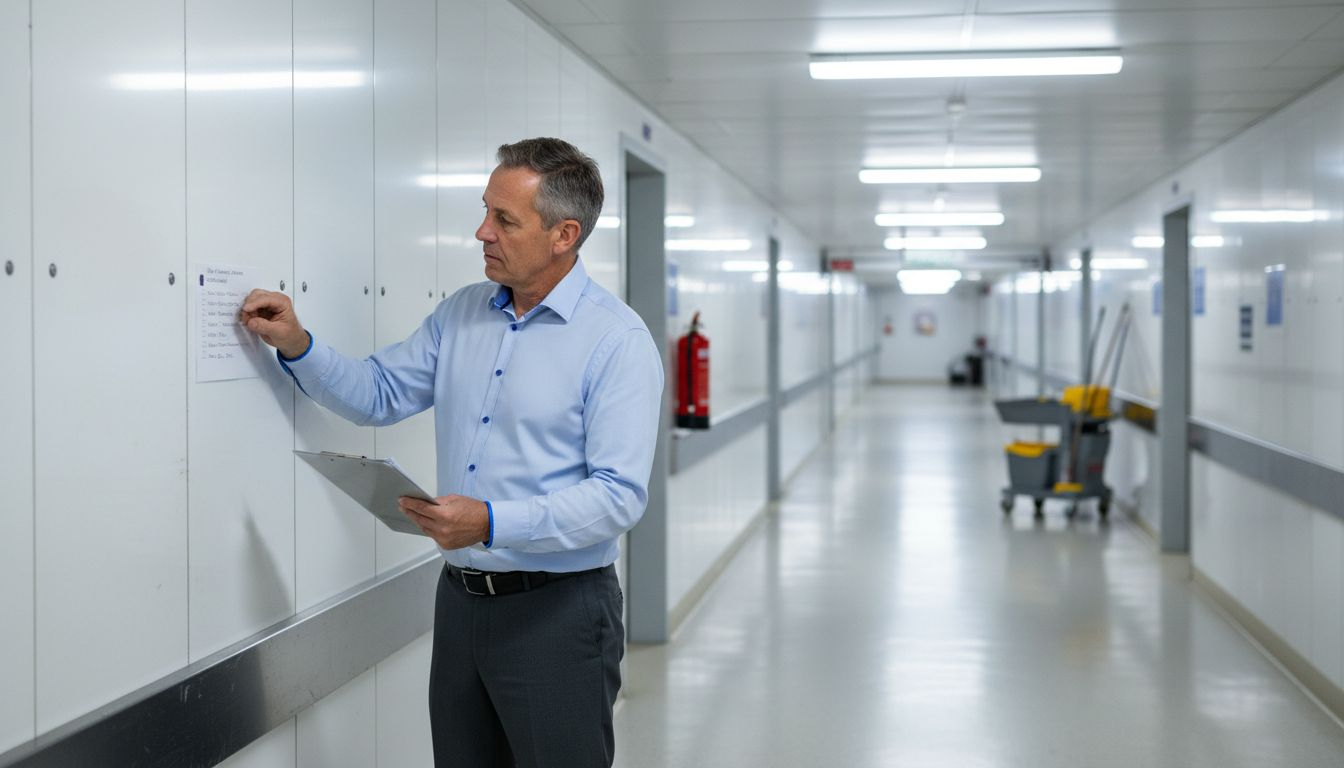
How Hygienic Cladding Helps Protect High-Risk Areas
Finding reliable surfaces in demanding settings like hospitals and commercial kitchens often feels like balancing durability with hygiene. For British facility managers, strict cleanliness and moisture resistance standards make picking wall cladding more complicated than simply choosing a shiny material. This article explains hygienic cladding principles that go beyond aesthetics, covering essential design, regulatory compliance, and the practical benefits that help prevent contamination in spaces where health and safety are non-negotiable.
Table of Contents
Hygienic Cladding Definition And Misconceptions
Types Of Hygienic Cladding Materials Used
Core Features And Performance Standards
Legal Compliance And Safety Requirements
Common Risks And Mistakes To Avoid
Comparing Hygienic Cladding To Alternatives
Key Takeaways
Point | Details |
Importance of Hygienic Cladding | Hygienic cladding is essential for contamination prevention in high-risk environments, impacting food safety and patient health significantly. |
Material Selection | Choosing the right materials is critical; factors like chemical resistance and thermal stability should guide decisions beyond aesthetics. |
Regulatory Compliance | Adhering to stringent regulations, such as HACCP and GMP, is necessary to avoid legal and financial repercussions. |
Installation Precision | Proper installation is vital to prevent contamination risks, requiring attention to surface preparation and joint sealing. |
Hygienic cladding definition and misconceptions
Hygienic cladding represents a sophisticated approach to surface design and protection, extending far beyond simple wall covering. It is a comprehensive strategy engineered to create surfaces that minimise contamination risks in critical environments like healthcare facilities, commercial kitchens, and food processing areas. Hygienic design principles emphasise creating surfaces that are not just visually appealing, but fundamentally resistant to microbial growth and easy to sanitise.
Contrary to common misconceptions, hygienic cladding is not merely about selecting shiny or smooth materials. It involves a complex engineering approach that considers multiple factors:
Surface smoothness and minimal joints
Material resistance to chemical cleaning agents
Prevention of bacterial and fungal growth
Ability to withstand frequent high-pressure washing
Compliance with stringent health and safety regulations
Many professionals mistakenly believe that stainless steel alone constitutes hygienic cladding. However, the reality is far more nuanced. Contamination control principles require a holistic approach that integrates material selection, design engineering, and regulatory compliance. Hygienic cladding must address potential microbial harbourage points, ensure seamless transitions between surfaces, and facilitate thorough cleaning protocols.
Regulatory Compliance Matters. Professional facility managers must recognise that hygienic cladding is not optional but a critical requirement in high-risk environments. It serves as a fundamental component of contamination prevention strategies, directly impacting food safety, patient health, and operational hygiene standards.
Pro tip: Always evaluate hygienic cladding solutions through a comprehensive lens that considers material properties, cleaning requirements, and long-term performance rather than focusing solely on initial aesthetic appeal.
Types of hygienic cladding materials used
Hygienic cladding materials represent a critical selection process for environments demanding stringent cleanliness standards. Unlike standard wall coverings, these specialised materials must withstand intensive cleaning protocols, resist microbial growth, and maintain structural integrity under challenging conditions. Hygienic cladding features encompass a range of engineered materials specifically designed to meet exacting health and safety requirements.
The primary types of hygienic cladding materials include:
PVC Panels: Lightweight, cost-effective, and highly resistant to moisture
Stainless Steel: Durable, corrosion-resistant, and ideal for high-temperature environments
Composite Panels: Combining multiple material layers for enhanced performance
Polyurethane Sheets: Offering excellent chemical resistance and seamless installation
Fibreglass Reinforced Panels (FRP): Providing superior strength and hygienic properties
Each material brings unique characteristics to high-risk environments. Stainless steel, for instance, remains a gold standard in healthcare and food processing sectors due to its inherent antimicrobial properties and ability to withstand rigorous cleaning agents. Advantages of hygienic wall cladding demonstrate that material selection goes beyond aesthetic considerations, directly impacting operational hygiene and safety standards.
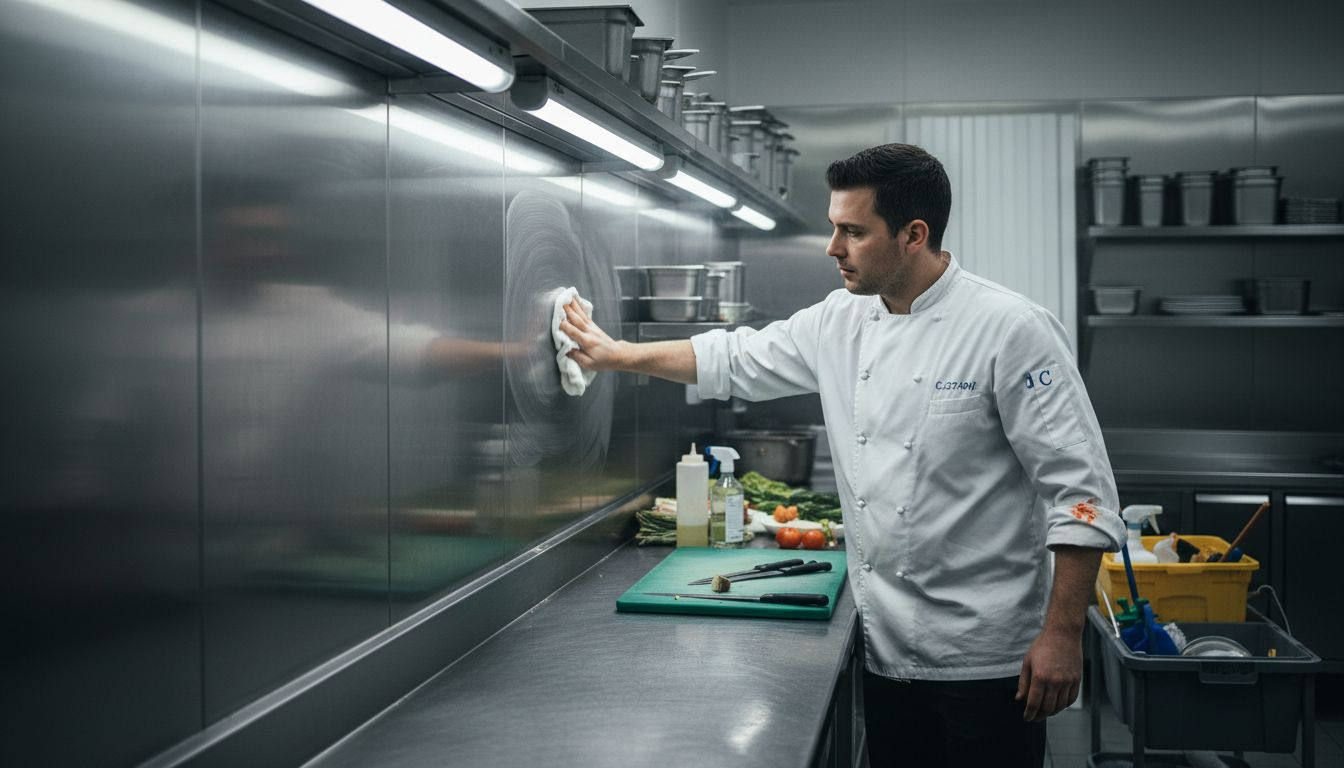
Professional facility managers must carefully evaluate material properties, considering factors such as chemical resistance, thermal stability, ease of cleaning, and long-term durability. The selection process involves understanding the specific environmental challenges, potential contaminant exposures, and regulatory compliance requirements unique to each space.
Here is a concise summary of hygienic cladding materials and their optimal application areas:
Material Type | Best Application Areas | Key Strength |
PVC Panels | Food prep rooms, kitchens | Cost-effective moisture resistance |
Stainless Steel | Hospitals, abattoirs | High durability, heat safe |
Composite Panels | Laboratories, cleanrooms | Enhanced multi-layer performance |
Polyurethane Sheets | Pharmaceuticals, wash bays | Excellent chemical resistance |
Fibreglass Reinforced Panels | Industrial food processing | Superior strength, hygiene |
Pro tip: Always conduct a comprehensive material compatibility assessment, considering not just initial performance but long-term resilience and maintenance requirements for your specific hygienic cladding application.
Core features and performance standards
Hygienic cladding performance standards represent a sophisticated framework of technical requirements designed to ensure maximum protection in high-risk environments. Key features of hygienic cladding underscore the critical importance of meeting rigorous design specifications that go beyond traditional wall covering solutions.
The core performance standards for hygienic cladding encompass multiple critical dimensions:
Microbial Resistance: Ability to prevent bacterial and fungal growth
Chemical Durability: Withstanding aggressive cleaning agents and disinfectants
Moisture Impermeability: Preventing water absorption and potential contamination
Surface Smoothness: Minimising potential microbial adhesion points
Thermal Stability: Maintaining structural integrity across temperature variations
Impact Resistance: Withstanding mechanical stress and potential physical damage
Professional environments require materials that can consistently perform under demanding conditions. Advantages of hygienic wall cladding demonstrate that meeting these performance standards is not just about material selection, but creating a comprehensive defence mechanism against potential contamination risks. The most advanced hygienic cladding solutions undergo extensive testing to verify their capability to maintain sterile environments effectively.
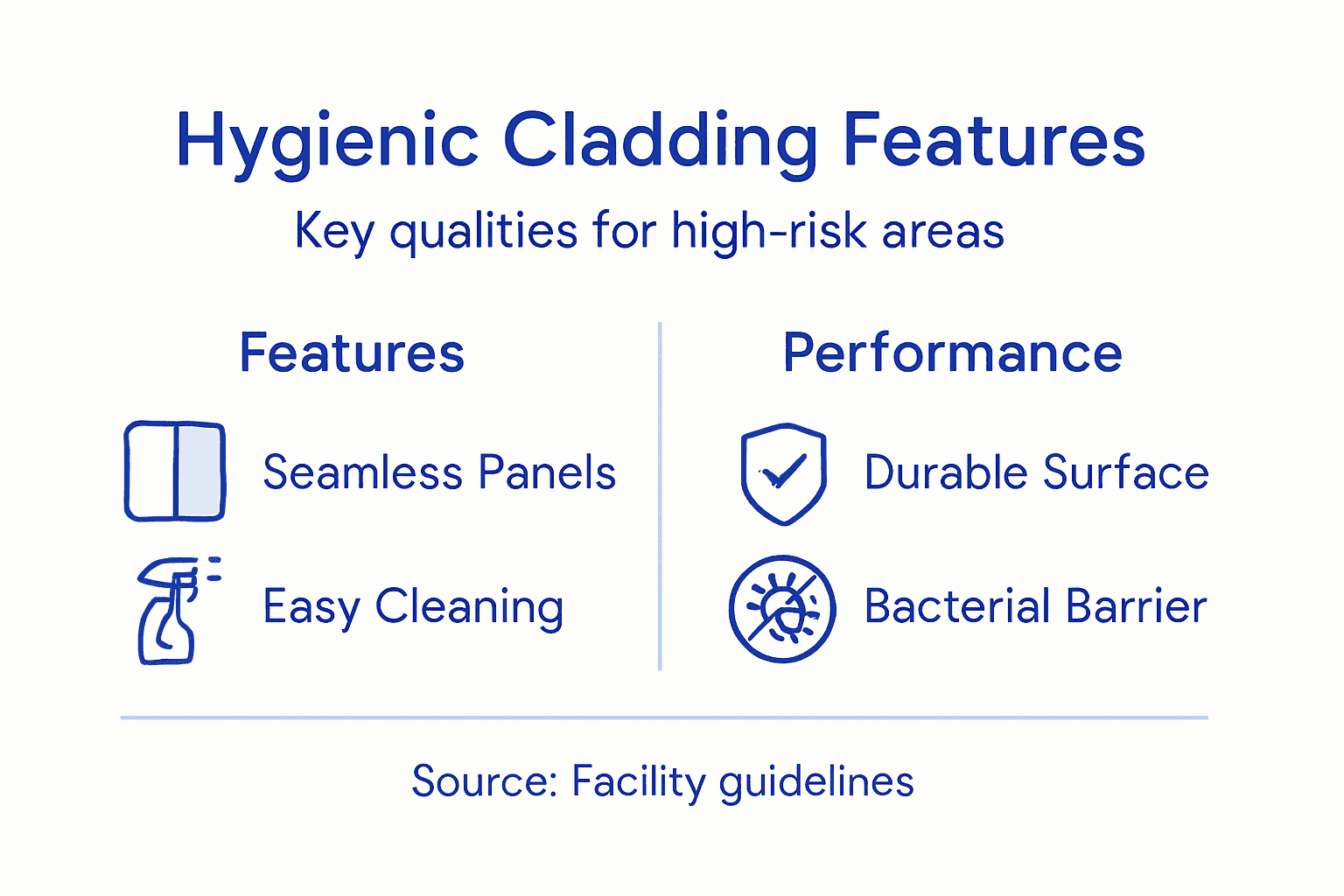
Technical specifications typically involve comprehensive assessments including surface smoothness measurements, bacterial resistance testing, chemical exposure evaluations, and long-term durability assessments. These rigorous standards ensure that hygienic cladding materials can reliably protect critical spaces in healthcare, food processing, and pharmaceutical environments.
Pro tip: Request detailed performance certification documentation from manufacturers, focusing on independent laboratory test results that validate the specific performance standards relevant to your unique environmental requirements.
Legal compliance and safety requirements
Legal compliance in hygienic cladding is a complex landscape of regulatory requirements that demand meticulous attention to detail across multiple sectors. Hygienic cladding compliance frameworks fundamentally protect organisations by establishing stringent standards that minimise contamination risks and ensure operational safety.
Key regulatory frameworks and compliance requirements encompass multiple critical dimensions:
HACCP Standards: Hazard Analysis and Critical Control Points certification
GMP Regulations: Good Manufacturing Practice guidelines
ISO 14644 Cleanroom Classifications: Defining acceptable particulate levels
Fire Safety Regulations: Surface integrity and combustibility standards
Health and Safety Executive (HSE) Guidelines: Workplace environmental protection
Food Standards Agency Requirements: Specific hygiene performance metrics
Professional environments must navigate these complex regulatory landscapes with precision. Different sectors impose unique compliance demands: healthcare facilities require different standards compared to food processing plants, yet the underlying principle remains consistent. The primary objective is creating environments that categorically prevent contamination, protect human health, and maintain the highest possible safety standards.
Technical compliance extends beyond surface-level assessments. Organisations must demonstrate comprehensive documentation proving that hygienic cladding materials meet prescribed performance criteria through rigorous testing, independent certification, and continuous monitoring. Failure to comply can result in significant legal, financial, and reputational consequences.
The table below outlines legal frameworks with the consequences of non-compliance:
Regulatory Standard | Sector Focus | Consequence of Breach |
HACCP | Food processing | Product recalls, business closure |
GMP | Pharmaceuticals, healthcare | Legal penalties, loss of licence |
ISO 14644 | Cleanrooms | Disqualification from tenders |
Fire Safety Regulations | All commercial sites | Fines, operational shutdown |
HSE Guidelines | Workplace environments | Worker claims, reputational damage |
Food Standards Agency | Food businesses | Fines, product destruction |
Pro tip: Develop a comprehensive compliance checklist specific to your industry, incorporating expert consultation to ensure your hygienic cladding solution meets all relevant regulatory requirements.
Common risks and mistakes to avoid
Implementing hygienic cladding requires a strategic approach that goes beyond surface-level considerations. Advantages of hygienic wall cladding underscore the complexity of selecting and installing appropriate solutions that truly protect high-risk environments.
The most prevalent risks and mistakes in hygienic cladding implementation include:
Inadequate Surface Preparation: Failing to create a smooth, seamless base for installation
Material Incompatibility: Choosing materials unsuitable for specific environmental conditions
Improper Joint Sealing: Leaving microscopic gaps that enable bacterial colonisation
Overlooking Thermal Expansion: Neglecting material movement and potential structural stress
Insufficient Chemical Resistance: Selecting materials unable to withstand cleaning protocols
Ignoring Installation Specifications: Disregarding manufacturer’s precise installation guidelines
Professional environments frequently encounter critical errors that compromise the entire hygienic cladding system. These mistakes often stem from cost-cutting measures or a lack of comprehensive understanding about the intricate requirements of specialised environments. Seemingly minor installation errors can create substantial long-term risks, potentially leading to contamination, structural degradation, and significant financial consequences.
Comprehensive risk mitigation requires a holistic approach that combines expert knowledge, meticulous material selection, and precise installation techniques. Facility managers must prioritise professional consultation, comprehensive testing, and ongoing maintenance to ensure the integrity of their hygienic cladding solutions.
Pro tip: Conduct a comprehensive risk assessment before installation, involving specialists who can identify potential vulnerabilities specific to your environmental context.
Comparing hygienic cladding to alternatives
Hygienic environments require specialised surface solutions that go beyond traditional wall coverings. Top commercial wall cladding comparisons reveal the critical differences between hygienic cladding and conventional alternatives that can dramatically impact facility safety and operational efficiency.
Key comparative aspects between hygienic cladding and alternative solutions include:
Traditional Tiles: - Porous surfaces prone to bacterial growth
Complex cleaning requirements
Higher long-term maintenance costs
Painted Surfaces:
Limited chemical resistance
Prone to peeling and degradation
Insufficient protection against moisture
Stainless Steel Panels:
Higher initial investment
Limited design flexibility
Potential thermal conductivity issues
Hygienic cladding stands apart by offering comprehensive protection that traditional solutions cannot match. Unlike standard wall coverings, these specialised panels provide seamless integration, superior microbial resistance, and enhanced durability. The engineered design eliminates potential bacterial harbourage points, creating a genuinely sterile environment that conventional materials simply cannot achieve.
Professional facility managers must consider comprehensive performance metrics beyond initial installation costs. While alternative solutions might appear less expensive, hygienic cladding delivers substantial long-term value through reduced maintenance requirements, extended operational lifecycle, and superior contamination prevention.
Pro tip: Conduct a detailed total cost of ownership analysis that encompasses installation, maintenance, replacement cycles, and potential contamination risks when comparing hygienic cladding against alternative solutions.
Elevate Hygiene Standards with Expert Hygienic Cladding Solutions
Understanding the critical importance of contamination prevention in healthcare, food preparation, and other high-risk environments is the first step to safeguarding health and compliance. This article highlights challenges such as microbial resistance, chemical durability, and seamless installation that can often be overlooked when choosing surface protection. At Hygienic Sheets, we offer a comprehensive range of hygienic PVC wall cladding and accessories designed to meet these demands with precision and reliability.
Why risk compromising safety and compliance? Our products provide not only moisture resistance and durability but also ease of cleaning and maintenance—perfectly aligning with your facility’s operational goals. Benefit from fast nationwide delivery and expert support tailored to contractors and facility managers who require superior hygienic surfaces that adhere to regulatory standards.
Take control of your hygiene compliance today by exploring our extensive product range at Hygienic Sheets. Choose trusted solutions that protect your high-risk spaces now with proven materials and professional-grade installation accessories. Visit our homepage to get started and safeguard your facility’s future.
Frequently Asked Questions
What is hygienic cladding and why is it important?
Hygienic cladding is a surface design and protection strategy used primarily in high-risk environments. It minimises contamination risks in places such as healthcare facilities, commercial kitchens, and food processing areas. Its importance lies in its ability to create surfaces that are resistant to microbial growth and easy to clean, thereby protecting public health and ensuring operational hygiene standards.
What materials are commonly used for hygienic cladding?
Common materials for hygienic cladding include PVC panels, stainless steel, composite panels, polyurethane sheets, and fibreglass reinforced panels (FRP). Each material has its unique advantages, such as moisture resistance, durability, chemical resistance, and ease of cleaning, making them suitable for various high-risk environments.
How does hygienic cladding compare to traditional wall coverings?
Unlike traditional wall coverings, hygienic cladding offers a seamless, smooth surface that is highly resistant to microbial contamination. Traditional tiles and painted surfaces can harbour bacteria and are often more challenging to clean, resulting in higher long-term maintenance costs. Hygienic cladding is specifically engineered to eliminate potential bacterial harbours, providing superior protection in high-risk areas.
What are the core performance standards for hygienic cladding?
Core performance standards for hygienic cladding include microbial resistance, chemical durability, moisture impermeability, surface smoothness, thermal stability, and impact resistance. Meeting these standards ensures that the materials can effectively maintain sterile environments in healthcare, food processing, and pharmaceutical settings.
Recommended
Comments