

Why specify white PVC panels: 80% light reflection in 2026
- amrik singh
- 1 day ago
- 6 min read

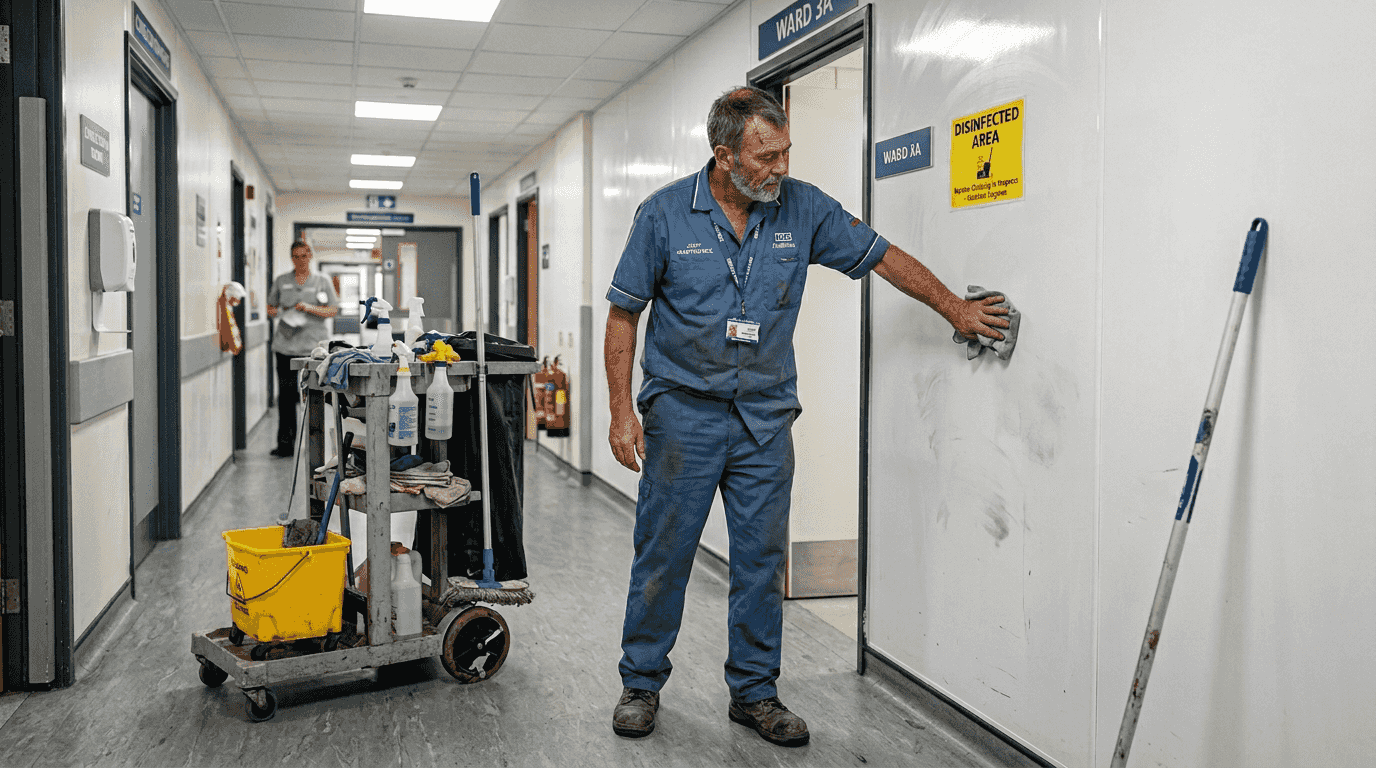
Most contractors believe all wall cladding materials deliver comparable hygiene and durability, yet white PVC panels meet Food Standards Agency requirements through unique non-porous properties. In healthcare facilities, food preparation areas, and commercial kitchens across the UK, specifying white PVC cladding prevents microbial growth whilst reducing long-term maintenance costs. This guide demonstrates why white PVC panels represent the optimal choice for compliance, operational efficiency, and sustained hygiene performance in demanding environments.
Table of Contents
Key takeaways
Point | Details |
Superior durability | PVC panels withstand cleaning chemicals better than traditional materials, reducing replacement frequency. |
Enhanced hygiene compliance | Non-porous surfaces inhibit microbial growth, simplifying adherence to NHS and Food Standards Agency standards. |
Improved facility lighting | White surfaces reflect up to 80% of light, reducing artificial lighting requirements and energy costs. |
Long-term cost savings | Lower maintenance demands and extended lifespan deliver operational efficiencies over alternative cladding. |
Critical installation requirements | Proper sealing and joint welding maintain hygiene benefits throughout the panel lifespan. |
Understanding white PVC panels and their durability
White PVC panels consist of rigid polyvinyl chloride formulated specifically for hygienic applications. Their molecular structure creates a smooth, impermeable surface that resists chemical degradation. PVC hygienic wall panels offer superior durability compared to painted drywall or ceramic tiles in healthcare settings.
These panels withstand repeated exposure to aggressive cleaning agents without surface breakdown. Sodium hypochlorite solutions, quaternary ammonium compounds, and alcohol-based disinfectants all contact PVC surfaces without causing deterioration. Traditional painted walls absorb moisture, leading to paint failure and substrate damage. White PVC eliminates this vulnerability entirely.
PVC cladding reduces long-term maintenance costs through exceptional lifespan performance. Facilities report 15 to 20 years of service without replacement, whilst painted surfaces require renewal every three to five years. This durability translates directly into reduced labour costs and minimised operational disruption.
Common cleaning agents compatible with white PVC panels include:
Chlorine-based disinfectants at standard concentrations
Hydrogen peroxide solutions for viral decontamination
Enzymatic cleaners for organic matter removal
Peracetic acid formulations in food preparation areas
Detergent sanitisers for routine maintenance
Pro Tip: Always verify fire rating classifications before specifying panels, as healthcare environments require specific performance standards under Building Regulations Approved Document B.
Why hygiene is paramount: the advantage of non-porous white PVC surfaces
Non-porous surfaces contain no microscopic cavities where bacteria, fungi, or viruses can colonise. White PVC panels achieve this through manufacturing processes that create molecularly dense surfaces. Porous materials like painted plaster or grouted tiles harbour pathogens within surface irregularities, making complete disinfection impossible.
White PVC panels inhibit microbial growth through their impermeable barrier properties. Studies demonstrate 99.9% reduction in surface bacterial counts compared to painted walls after identical cleaning protocols. This performance advantage proves critical in operating theatres, intensive care units, and commercial kitchens.
NHS England specifies non-porous wall surfaces in clinical areas to prevent healthcare-associated infections. The Food Standards Agency requires impermeable, easily cleanable surfaces in food contact zones. White PVC panels satisfy both regulatory frameworks without additional surface treatments.
“Surface porosity directly correlates with microbial persistence, making material selection a primary infection control strategy in healthcare environments.”
Pathogens effectively controlled by white PVC surfaces include:
Methicillin-resistant Staphylococcus aureus (MRSA)
Clostridium difficile spores
Norovirus particles
Escherichia coli strains
Listeria monocytogenes in food facilities
Candida auris fungal organisms
Traditional grouted tiles create hundreds of linear metres of porous joints per room, each harbouring potential contamination. White PVC panels eliminate grout entirely, reducing infection vectors whilst simplifying hygiene protocols in healthcare settings.
Additional benefits: aesthetic impact and operational savings
White surfaces possess inherent optical properties that maximise light reflection throughout facilities. White PVC panels reflect up to 80% of incident light, improving visibility whilst reducing dependence on artificial illumination. This photometric advantage delivers measurable energy savings in large commercial spaces.

Facilities with white PVC cladding report 20 to 35% reductions in lighting energy consumption compared to darker wall finishes. Natural daylight penetrates deeper into interior spaces, enhancing working conditions whilst lowering electricity costs. These savings compound over decades of panel service life.
Material | Light Reflection | Annual Energy Cost (100m²) | Maintenance Hours/Year |
White PVC panels | 78-82% | £340 | 12 |
Ceramic tiles | 65-70% | £445 | 28 |
Painted plaster | 55-65% | £520 | 42 |
Stainless steel | 50-60% | £560 | 18 |
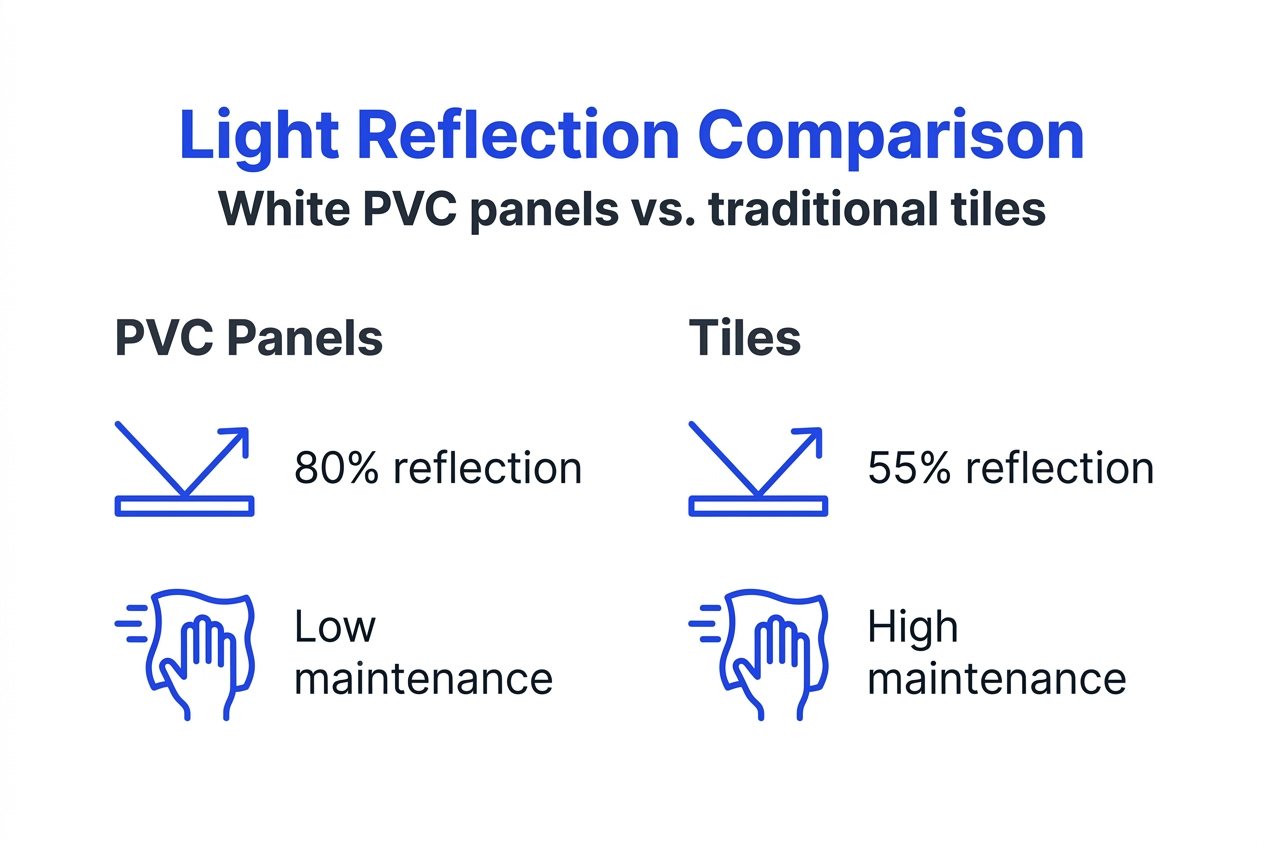
Operational savings extend beyond energy efficiency. White PVC panels require minimal maintenance compared to alternative materials. Annual deep cleaning suffices where painted walls demand quarterly repainting. Ceramic tiles necessitate grout replacement and re-sealing, consuming labour hours that PVC installations avoid entirely.
Durability translates into predictable lifecycle costs. Facility managers budget replacement schedules with confidence, knowing white PVC panels deliver consistent performance throughout their 20-year lifespan. This financial predictability aids capital planning and reduces emergency repair expenditure.
Pro Tip: Consider installing white PVC base cladding with complementary commercial design elements in patient areas or dining facilities to optimise both hygiene and aesthetic appeal.
Best practices for specifying and installing white PVC panels
Proper installation determines whether white PVC panels deliver their full hygiene and durability benefits. Follow this installation sequence:
Prepare substrate by ensuring flat, dry surfaces free from contaminants or protrusions.
Apply manufacturer-approved adhesive using notched trowel for consistent coverage.
Position panels with tight butt joints, avoiding gaps that trap moisture or debris.
Weld joints using hot air equipment or specialised chemical welding agents.
Install trim profiles at corners, edges, and transitions to seal panel perimeters.
Inspect all seams for complete fusion, ensuring no crevices remain.
Clean surfaces thoroughly before facility commissioning.
Common installation pitfalls compromise hygiene performance:
Inadequate joint welding leaves microscopic gaps for bacterial colonisation.
Incompatible adhesives fail prematurely, allowing moisture ingress behind panels.
Insufficient substrate preparation creates voids where condensation accumulates.
Missing trim pieces expose panel edges to cleaning solution penetration.
Mechanical fasteners create unnecessary surface penetrations.
Fire safety requires careful product selection. Verify appropriate fire ratings match building use classifications under current regulations. Healthcare facilities typically require Class 0 or Class 1 surface spread of flame ratings. Food preparation areas often specify additional smoke development limitations.
Adhesive compatibility affects long-term bond integrity. Solvent-based adhesives suit most applications, whilst water-based formulations serve areas with ventilation constraints. Always confirm adhesive and panel manufacturer compatibility before procurement.
Maintenance protocols preserve hygiene benefits throughout panel lifespan. Establish daily cleaning schedules using approved disinfectants. Conduct quarterly inspections of joint integrity, addressing any separation immediately. Document cleaning procedures to demonstrate regulatory compliance during inspections.
Pro Tip: Source PVC panels with certified antimicrobial additives for enhanced protection in high-risk clinical zones, though proper cleaning remains the primary defence against pathogen transmission.
Explore hygienic wall cladding solutions
Hygienic Sheets supplies comprehensive white PVC cladding systems tailored for demanding UK commercial environments. Our product range includes wall panels, ceiling cladding, corner profiles, and sealing trims designed for seamless integration.
Each panel meets stringent hygiene standards whilst offering the durability advantages discussed throughout this guide. We stock compatible adhesives and accessories ensuring proper installation and long-term performance. Fast nationwide delivery supports project timelines across healthcare, food preparation, and commercial facilities.
Our technical team assists with product specification, helping contractors and facility managers select optimal hygienic wall cladding solutions for specific applications. From small refurbishments to large new-build projects, we provide the materials and expertise required for successful hygienic cladding installations.
Frequently asked questions about white PVC panels
How do white PVC panels specifically prevent MRSA contamination?
White PVC panels create non-porous surfaces that prevent MRSA bacteria from colonising microscopic surface cavities. The impermeable barrier allows disinfectants to contact and destroy bacteria completely, whilst porous materials protect organisms within surface irregularities. Regular cleaning with approved disinfectants achieves 99.9% bacterial reduction on PVC surfaces.
Are white PVC panels suitable for commercial kitchen environments?
White PVC panels excel in commercial kitchens due to resistance against cooking oils, acidic foods, and high-temperature cleaning. They withstand steam cleaning cycles and hot water pressure washing without degradation. Food Standards Agency guidance recognises non-porous PVC as appropriate for food contact zones when properly installed and maintained.
What maintenance schedule maximises white PVC panel lifespan?
Daily cleaning with approved disinfectants maintains hygiene, whilst quarterly deep cleaning preserves appearance. Inspect joint integrity every six months, addressing any separation immediately. Annual professional assessment identifies potential issues before they compromise performance. This schedule typically delivers 15 to 20 years of service life.
Do white PVC panels meet fire safety requirements for healthcare facilities?
Quality white PVC panels achieve Class 0 or Class 1 fire ratings required in healthcare settings. Verify specific product certifications match your building classification under Approved Document B. Fire-rated panels incorporate additives that limit flame spread and smoke development, satisfying regulatory requirements whilst maintaining hygiene properties.
Can white PVC panels be installed over existing ceramic tiles?
White PVC panels can overlay ceramic tiles if the substrate remains structurally sound and level. This approach avoids tile removal costs and project disruption. Ensure tiles are thoroughly cleaned and degreased before adhesive application. Fill any damaged areas to create uniform substrate. This installation method proves particularly cost-effective during facility refurbishments.
Recommended
Comments