

What is hygienic wall protection? A 2026 guide
- amrik singh
- Mar 10
- 11 min read

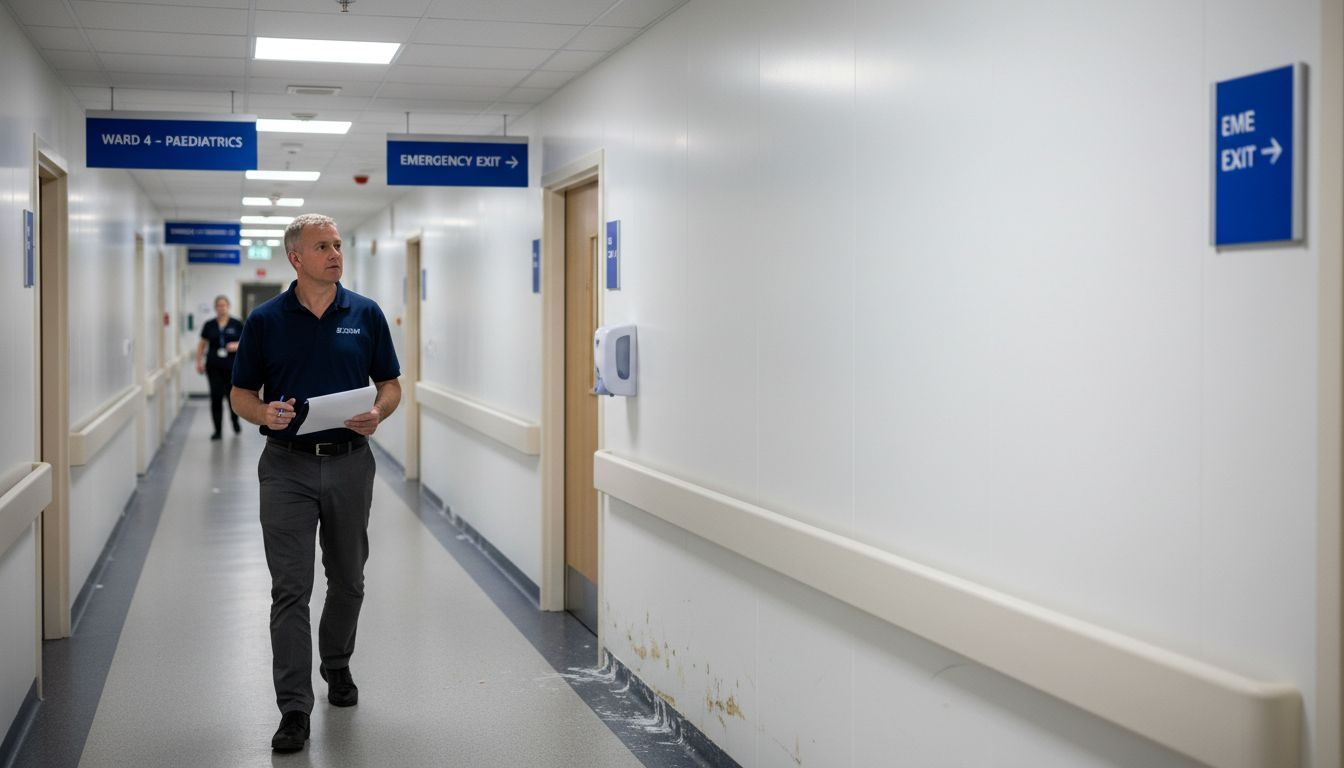
Many contractors assume all products labelled hygienic deliver equal microbial resistance, yet effectiveness varies from 30% to over 90% based on material properties and installation quality. Hygienic wall protection refers to specialised cladding systems designed to prevent microbial contamination in healthcare facilities, commercial kitchens, and food preparation areas. These systems combine non-porous materials, seamless installation techniques, and disinfectant-resistant surfaces to create barriers against bacterial colonisation and cross-contamination.
Table of Contents
Key takeaways
Point | Details |
Definition and purpose | Hygienic wall protection comprises specialised cladding systems that prevent microbial contamination through non-porous surfaces and seamless installation in hygiene-critical environments. |
Essential material properties | Effective systems require non-porous surfaces, resistance to harsh disinfectants, and ISO 22196 certification verifying antibacterial performance. |
Installation quality matters | Proper installation with sealed joints and hygienic trims prevents microbial ingress and maintains long-term hygiene performance. |
Material performance varies | PVC cladding outperforms ceramic tiles and antimicrobial coatings in durability, maintenance ease, and sustained hygiene efficacy. |
Maintenance sustains protection | Regular cleaning with compatible agents and monitoring surface condition ensures continued microbial resistance and material longevity. |
Material properties that ensure hygiene and durability
The foundation of effective hygienic wall protection lies in specific material characteristics that directly impact microbial control. Non-porous surfaces prevent moisture penetration and bacterial adhesion, eliminating the damp environments where microbes thrive. Water-resistant materials block liquid ingress that would otherwise create breeding grounds for pathogens.
PVC hygienic wall protection excels in healthcare and food service applications due to its inherent resistance to harsh disinfectants. Chlorine-based cleaners, quaternary ammonium compounds, and alcohol solutions maintain surface integrity without degrading material performance. This chemical resilience ensures consistent hygiene efficacy throughout the product’s service life.
Hygienic wall protection panels must comply with ISO 22196 standards measuring antibacterial activity on plastics to ensure efficacy in reducing microbial contamination. This certification provides verified performance data rather than marketing claims. Testing protocols measure bacterial reduction rates under controlled conditions, giving facility managers objective criteria for material selection.
Key material properties include:
Non-porous surface structure preventing moisture and microbial penetration
Resistance to chlorine, alcohol, and quaternary ammonium disinfectants
Smooth finish eliminating texture where bacteria colonise
Impact resistance maintaining surface integrity in high-traffic areas
UV stability preventing material degradation and surface cracking
Pro Tip: Request ISO 22196 test certificates from suppliers before specifying materials. Certificates should show bacterial reduction rates exceeding 99.9% against common pathogens like Staphylococcus aureus and Escherichia coli.
Durability directly influences long-term hygiene performance. Materials that crack, chip, or degrade create new surfaces for microbial colonisation. PVC cladding maintains structural integrity for 20-25 years in demanding environments, reducing replacement costs whilst sustaining hygiene standards. The combination of chemical resistance and physical durability makes PVC the preferred choice for contractors managing healthcare and food service projects.
How hygienic wall protection prevents microbial contamination
Understanding the mechanisms behind microbial prevention helps contractors specify appropriate systems for different environments. Non-porous surfaces deny bacteria the foothold required for adhesion and subsequent colonisation. Smooth, impermeable materials eliminate the microscopic irregularities where pathogens establish biofilms.
Seamless installation of hygienic wall protection reduces microbial ingress by eliminating gaps where bacteria accumulate. Traditional wall finishes create joints and seams that trap moisture and organic matter. Hygienic systems use specialised trims and welding techniques to create continuous surfaces without vulnerable transition points.
Practical contamination control mechanisms include:
Impermeable barrier preventing bacterial penetration into wall substrates
Smooth surface enabling complete removal of organic matter during cleaning
Sealed joints eliminating moisture accumulation between panels
Chemical-resistant finish sustaining antimicrobial properties through repeated disinfection
Easy-clean surface reducing labour time whilst improving hygiene outcomes
Cross-contamination poses particular risks in healthcare and food preparation settings. Pathogens transfer from contaminated surfaces to clean areas through contact with equipment, hands, or cleaning tools. Using hygienic wall panels creates cleanable barriers that interrupt transmission pathways. Studies in hospital environments demonstrate infection rate reductions of 25-40% following installation of proper hygienic wall systems.
Seamless hygienic wall protection transforms infection control by eliminating the hidden reservoirs where pathogens survive between cleaning cycles, creating genuinely cleanable environments that support rigorous hygiene protocols.
The scientific evidence supporting hygienic wall protection centres on reduced bacterial survival times on non-porous surfaces. Stainless steel and PVC surfaces limit bacterial viability to hours rather than days compared to porous materials. This shortened survival window reduces transmission opportunities, particularly for antibiotic-resistant organisms like MRSA that pose severe risks in healthcare settings.
Common misconceptions about hygienic wall protection
Contractors frequently encounter products marketed as hygienic that fail to deliver verified microbial resistance. Not all materials labelled for healthcare or food service applications meet stringent hygiene standards. Effectiveness varies significantly based on material properties and installation quality, impacting bacterial kill rates from 30% to over 90%.
The first misconception concerns antimicrobial additives. Manufacturers add silver ions or other antimicrobial agents to otherwise porous materials, claiming enhanced hygiene performance. These additives degrade through repeated chemical cleaning, losing efficacy within 12-18 months. The base material’s porosity remains unchanged, allowing bacterial colonisation once additives deplete.
Installation quality determines whether specified materials achieve intended hygiene performance. Perfect materials installed poorly create gaps, overlaps, and unsealed joints that harbour bacteria. Contractors rushing installation or using incompatible adhesives compromise the entire system. Professional installation following manufacturer specifications proves essential for hygiene compliance.
Common false beliefs include:
All white or light-coloured wall finishes provide equivalent hygiene performance
Paint with antimicrobial additives offers comparable protection to purpose-designed cladding
Cheaper alternatives deliver the same long-term hygiene outcomes as certified systems
Installation methods used for standard wall finishes suit hygienic applications
Visual cleanliness indicates microbial cleanliness
Pro Tip: Specify installation by certified contractors familiar with hygienic cladding systems. Request photographic documentation of joint details and adhesive application to verify compliance with hygiene standards before final acceptance.
Choosing wall cladding requires evaluating certification, material properties, and installation requirements together. Products lacking ISO 22196 certification or independent testing data should raise immediate concerns. Facility managers relying on marketing claims rather than verified performance data risk hygiene compliance failures and subsequent contamination incidents.
Comparing hygienic wall protection materials and technologies
Three primary material categories dominate hygienic wall protection specifications: PVC cladding, ceramic tiles, and antimicrobial coatings. Each offers distinct advantages and limitations affecting hygiene performance, maintenance requirements, and total project costs.
Material | Hygiene performance | Maintenance | Installation time | Durability | Cost |
PVC cladding | Excellent (99.9% reduction) | Low effort, chemical resistant | Fast (50-70% quicker) | 20-25 years | Moderate upfront, low lifecycle |
Ceramic tiles | Good (90-95% reduction) | High effort, grout vulnerability | Slow, skilled labour required | 15-20 years (grout 5-7 years) | High upfront and maintenance |
Antimicrobial coatings | Variable (60-85% reduction) | Very high, frequent reapplication | Very fast | 12-18 months effective | Low upfront, very high lifecycle |
Stainless steel | Excellent (99.9% reduction) | Moderate, shows marks | Moderate | 25+ years | Very high |
PVC cladding provides superior value for contractors managing healthcare and food service projects. The non-porous surface eliminates grout lines that trap bacteria and require intensive maintenance. Chemical resistance sustains performance through years of harsh disinfectant exposure. Installation speed reduces labour costs and facility downtime.
Ceramic tiles present significant hygiene challenges despite traditional popularity. Grout lines between tiles create porous channels where bacteria colonise and moisture accumulates. Grout requires replacement every 5-7 years to maintain hygiene performance. The labour-intensive installation and ongoing maintenance make ceramic tiles increasingly unsuitable for modern hygiene-critical environments.
Key comparison factors include:
Surface porosity directly affecting bacterial colonisation potential
Chemical resistance determining disinfectant compatibility and material longevity
Joint sealing methods impacting microbial ingress prevention
Installation complexity influencing project timelines and labour costs
Maintenance requirements affecting long-term operational expenses
Antimicrobial coatings appeal through low initial costs but fail lifecycle cost analysis. The additives degrade rapidly under chemical cleaning protocols, requiring reapplication every 12-18 months. Total costs over 10 years exceed purpose-designed cladding systems by 40-60%. Performance variability creates compliance risks that facility managers cannot afford.
Types of wall cladding suitable for healthcare facilities extend beyond these primary categories to include glass-reinforced plastic and high-pressure laminate systems. Each material suits specific applications based on impact resistance requirements, aesthetic preferences, and budget constraints. Understanding material trade-offs enables contractors to recommend optimal solutions for each project context.
Installation best practices for long-term hygiene performance
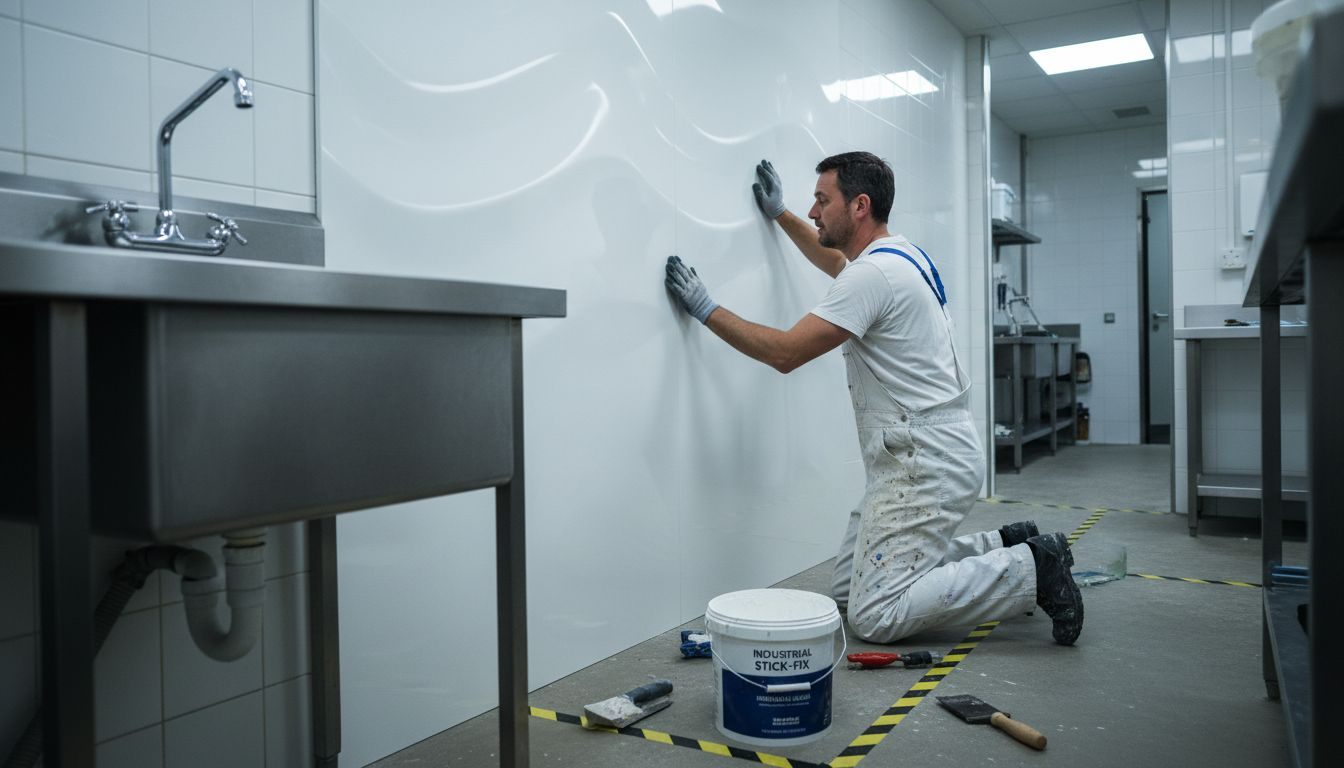
Proper installation transforms quality materials into effective hygienic wall protection systems. Even certified products fail when installed using methods suited to standard wall finishes. Installing hygienic wall cladding requires specialised techniques that eliminate gaps and create truly seamless surfaces.
The installation sequence directly impacts hygiene outcomes:
Prepare substrates by removing existing finishes and repairing structural defects that could telegraph through new cladding.
Apply approved adhesives formulated for hygienic applications with continuous coverage preventing void spaces.
Install panels with tight joints using manufacturer-specified techniques ensuring complete contact.
Fit hygienic trims at all joints, corners, and transitions using compatible adhesives and mechanical fixings.
Seal perimeter edges with silicone sealant rated for food contact and chemical resistance.
Inspect completed installation for gaps, overlaps, or defects requiring correction before acceptance.
Joint treatment determines whether installation achieves specified hygiene performance. Standard plastic trims leave gaps where bacteria accumulate and moisture penetrates. Hygienic joint systems use chemically welded seams or specialised profiles that create continuous surfaces without vulnerable transition points. Every joint represents a potential contamination pathway requiring proper sealing.
Critical installation considerations include:
Using adhesives compatible with substrate, cladding material, and chemical cleaning protocols
Maintaining consistent adhesive coverage avoiding voids that trap moisture
Ensuring panel alignment preventing lips or gaps at joints
Installing corner joints and trim pieces with complete sealing
Verifying chemical resistance of all sealants and adhesives used
Pro Tip: Schedule installation during facility downtime to allow complete adhesive curing before cleaning or disinfection begins. Most hygienic adhesives require 48-72 hours to achieve full bond strength and chemical resistance.
Selecting waterproof wall panels forms only part of the specification process. Installation quality determines whether selected materials deliver intended performance. Contractors should engage installers with documented experience in hygienic environments rather than general cladding contractors. The specialised techniques and attention to detail required justify the premium for qualified installation teams.
Manufacturer specifications provide essential guidance for achieving warranty compliance and hygiene performance. Deviating from specified adhesives, joint treatments, or installation sequences voids warranties and creates liability exposure. Using hygienic wall panels correctly requires following detailed installation procedures that may seem excessive compared to standard wall finishes but prove essential for long-term hygiene outcomes.
Cleaning and maintenance protocols to sustain hygiene
Installing hygienic wall protection represents only the starting point for sustained contamination control. Proper maintenance preserves material properties and hygiene performance throughout the system’s service life. Cleaning hygienic wall panels requires compatible chemical agents and appropriate frequencies that prevent biofilm formation without damaging surfaces.
Cleaning agent selection directly impacts material longevity and hygiene efficacy. PVC cladding tolerates chlorine-based disinfectants, quaternary ammonium compounds, and alcohol solutions without surface degradation. Avoid abrasive cleaners containing silica or pumice that scratch surfaces, creating texture where bacteria colonise. Acidic cleaners below pH 3 may discolour or weaken some cladding materials over time.
Effective maintenance protocols include:
Daily cleaning with neutral detergent removing visible contamination and organic matter
Weekly disinfection using approved chemicals at manufacturer-specified concentrations
Monthly inspection identifying damage, wear, or joint separation requiring repair
Quarterly deep cleaning addressing difficult-to-reach areas and potential biofilm accumulation
Annual professional assessment verifying system integrity and hygiene performance
Cleaning frequency varies by environment and contamination risk. Operating theatres and food preparation areas require multiple daily cleaning cycles. Patient rooms and corridors may need daily cleaning with weekly disinfection. Establishing appropriate schedules based on actual contamination levels and regulatory requirements prevents both under-cleaning and excessive chemical exposure.
Biofilm formation represents a particular challenge in moist environments. These bacterial communities resist conventional cleaning by producing protective matrices that shield organisms from disinfectants. Preventing biofilm establishment through frequent cleaning proves far easier than removing established colonies. Early intervention when contamination occurs prevents progression to resistant biofilm states.
Maintenance staff training ensures cleaning protocols deliver intended outcomes without damaging materials. Proper dilution ratios, contact times, and application methods maximise disinfectant efficacy. Training should cover chemical safety, personal protective equipment requirements, and procedures for documenting cleaning activities. Regular competency assessment identifies knowledge gaps requiring additional instruction.
Monitoring surface condition enables early detection of wear, damage, or coating degradation. Scratches, cracks, or delamination compromise hygiene performance by creating new surfaces for bacterial colonisation. Prompt repair or panel replacement maintains system integrity and prevents progressive deterioration. Documentation of maintenance activities and repair history supports regulatory compliance and warranty claims.
Practical recommendations for healthcare and food service sectors
Successful hygienic wall protection implementation requires integrating material selection, professional installation, and rigorous maintenance into cohesive hygiene management strategies. Contractors and facility managers should prioritise verified performance over marketing claims, selecting products with ISO 22196 certification demonstrating measurable bacterial reduction.
Choose PVC wall cladding certified to hygiene standards for critical areas including operating theatres, intensive care units, food preparation zones, and commercial kitchens. The combination of non-porous surfaces, chemical resistance, and ease of maintenance justifies specification despite moderate upfront costs. Lifecycle cost analysis consistently favours purpose-designed hygienic cladding over alternatives.
Key implementation steps include:
Specifying ISO 22196 certified materials with documented bacterial reduction exceeding 99.9%
Engaging certified installers with healthcare or food service project experience
Using manufacturer-approved adhesives and hygienic joint systems throughout
Implementing strict cleaning schedules with compatible chemical agents
Training maintenance staff on proper protocols and documentation requirements
Monitoring infection rates and contamination incidents post-installation
Hygienic wall panels in healthcare deliver measurable improvements in infection control when properly specified and maintained. Facilities should establish baseline contamination measurements before installation, then monitor ongoing performance through regular environmental sampling. Demonstrating reduced bacterial loads validates investment and supports continuous improvement initiatives.
Integrate wall protection decisions with broader facility hygiene strategies. Coordinating with infection control teams, environmental services, and facilities management ensures specifications align with operational requirements and regulatory standards. Cross-functional collaboration identifies potential conflicts between hygiene requirements and other building systems early in the design process.
Kitchen wall panel guide resources provide sector-specific recommendations addressing food service environments’ unique challenges. Commercial kitchens face extreme temperature variations, grease accumulation, and intensive cleaning protocols requiring robust material specifications. Applying healthcare-grade solutions to food service settings ensures compliance with environmental health requirements whilst supporting operational efficiency.
Document hygiene performance improvements following installation to justify investment and guide future projects. Quantifiable reductions in contamination incidents, infection rates, or regulatory violations demonstrate return on investment beyond theoretical benefits. This evidence supports business cases for extending hygienic wall protection to additional areas or facilities.
Enhance your projects with quality hygienic wall cladding
Having explored the essential principles of hygienic wall protection, you need trusted suppliers delivering certified products suited to demanding healthcare and food service applications.
Hygienic wall cladding products from Hygienic Sheets provide ISO-certified PVC panels engineered for maximum microbial resistance and durability. Our comprehensive range includes panels in multiple colours and finishes, alongside complete adhesive and accessories systems ensuring professional installation quality. PVC wall cladding sheets deliver the non-porous surfaces and chemical resistance your projects require, backed by technical support and fast UK-wide delivery for projects of any scale.
Frequently asked questions
What is hygienic wall protection?
Hygienic wall protection comprises specialised cladding systems using non-porous materials to prevent bacterial colonisation in healthcare facilities, commercial kitchens, and food preparation areas. These systems combine impermeable surfaces with seamless installation techniques, creating barriers against microbial contamination.
How does hygienic wall protection differ from regular wall finishes?
Hygienic systems use certified non-porous materials resistant to harsh disinfectants, whilst regular finishes often feature porous surfaces that harbour bacteria. Professional installation creates sealed joints eliminating gaps where microbes accumulate. ISO 22196 certification verifies bacterial reduction rates exceeding 99.9%, providing objective performance data absent from conventional wall finishes.
What criteria should guide material selection for hygienic wall protection?
Prioritise ISO 22196 certification demonstrating verified antibacterial performance rather than relying on marketing claims. Evaluate chemical resistance ensuring compatibility with your facility’s disinfection protocols. Consider installation complexity and lifecycle costs including maintenance requirements. Non-porous PVC cladding typically offers optimal performance for healthcare and food service applications.
What installation factors determine hygienic wall protection effectiveness?
Seamless installation using hygienic joint systems and approved adhesives prevents microbial ingress at panel transitions. Professional contractors familiar with hygiene-critical environments ensure proper substrate preparation and complete adhesive coverage. All joints, corners, and perimeter edges require sealing with chemical-resistant sealants. Installation quality directly impacts whether certified materials achieve specified hygiene performance.
How should hygienic wall protection be cleaned and maintained?
Clean daily with neutral detergent to remove organic matter, then disinfect weekly using chlorine-based or quaternary ammonium compounds at manufacturer-specified concentrations. Avoid abrasive cleaners that scratch surfaces, creating bacterial colonisation sites. Inspect monthly for damage or joint separation requiring repair. Maintain documentation of cleaning activities supporting regulatory compliance and demonstrating due diligence in contamination control.
Recommended


Comments