

Best wall cladding materials for UK healthcare 2026
- amrik singh
- Mar 9
- 9 min read

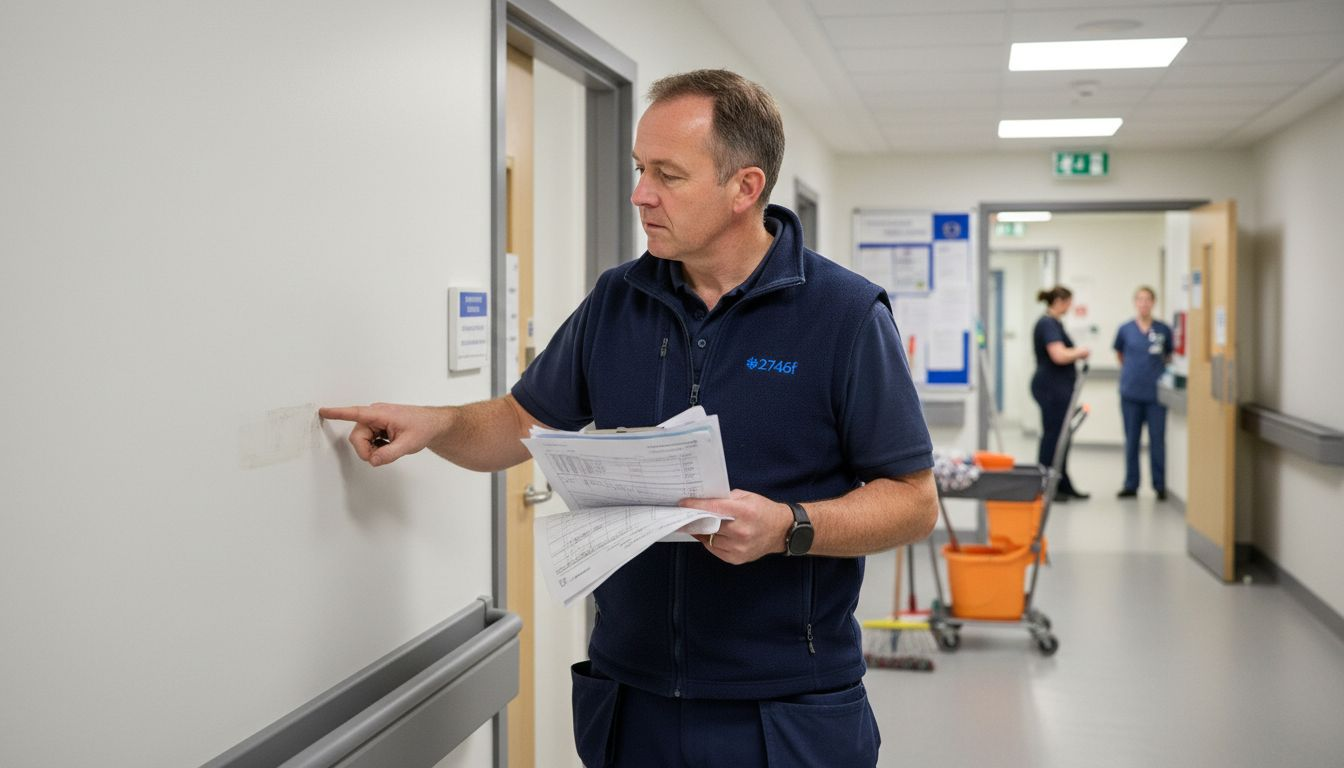
Choosing the right wall cladding for healthcare facilities and commercial kitchens in the UK involves balancing durability, hygiene compliance, moisture resistance, and cost. Many contractors and facility managers struggle to navigate evolving standards and compare materials effectively. This article simplifies that decision with clear, evidence-backed criteria and practical comparisons tailored to 2026 UK requirements, helping you select cladding that meets regulatory demands while staying within budget.
Table of Contents
Selection Criteria For Choosing Wall Cladding In Hygiene-Sensitive Environments
PVC Wall Cladding: Hygienic, Cost-Effective, And Easy To Install
Stainless Steel Wall Cladding: Durable And Heat-Resistant But Costly
Composite Panels: Lightweight And Stylish But Limited Moisture Resistance
Regulatory, Hygiene, And Sustainability Considerations In 2026
Explore Hygienic Wall Cladding Solutions From Hygienic Sheets
Key takeaways
Point | Details |
Selection depends on six factors | Durability, hygiene standards, moisture resistance, maintenance ease, cost, and installation complexity determine suitability. |
PVC cladding offers best value | Cost-effective, hygienic, waterproof, and fast to install for wet, hygiene-critical areas. |
Stainless steel suits high-impact zones | Exceptional heat and impact resistance for commercial kitchens but requires higher investment and frequent cleaning. |
Ceramic tiles need ongoing maintenance | Traditional appeal but grout resealing every 1-2 years and cracking risks limit hygiene performance. |
Composite panels for dry areas only | Lightweight, stylish, quick installation but limited moisture resistance restricts use. |
Selection criteria for choosing wall cladding in hygiene-sensitive environments
Selecting wall cladding for UK healthcare and commercial kitchen environments requires careful evaluation of six critical factors. Durability determines how well materials withstand daily wear, impacts, and chemical cleaning agents over years of heavy use. Hygiene compliance with UK healthcare standards is legally required, with Health Technical Memorandum 03-01 mandating smooth, impervious surfaces to prevent microbial growth and enable infection control.
Moisture resistance prevents mould, bacterial colonisation, and structural damage in wet zones like washrooms, kitchens, and clinical areas. Ease of cleaning directly impacts labour costs and operational downtime, as surfaces requiring intensive maintenance drain resources. Cost considerations must account for both material purchase and installation expenses to avoid budget overruns. Installation complexity affects project timelines, labour requirements, and total expenditure.
Key selection factors include:
Durability for longevity in high-traffic, high-impact environments
Hygiene compliance meeting UK healthcare and food safety regulations
Moisture resistance preventing mould and bacterial growth
Ease of cleaning reducing maintenance labour and downtime
Cost balancing material, installation, and lifecycle expenses
Installation complexity influencing project timelines and labour costs
Pro Tip: Always request material certifications demonstrating compliance with UK hygiene standards before finalising procurement decisions.
Understanding how to choose wall cladding for hygienic environments requires weighing these factors against your specific facility requirements, budget constraints, and long-term maintenance capabilities. With clear selection criteria established, let’s evaluate the leading wall cladding materials grown relevant in 2026.
PVC wall cladding: hygienic, cost-effective, and easy to install
PVC wall cladding delivers exceptional performance for moisture-prone, hygiene-critical UK settings. Its waterproof and non-porous surface prevents bacterial growth, making it ideal for healthcare environments where infection control is paramount. The material resists mould, staining, and chemical damage from cleaning agents, maintaining hygiene standards with minimal effort.
Cost advantages make PVC particularly attractive. PVC cladding costs 30-40% less than stainless steel whilst delivering comparable hygiene performance. Installation speeds are significantly faster, with PVC installing up to 50% quicker than alternative materials, reducing labour costs and project duration. This combination of affordability and efficiency makes PVC the most cost-effective choice for large-scale projects.
Practical benefits include:
Waterproof, non-porous surface eliminating bacterial growth risks
Mould and stain resistance maintaining appearance over time
Chemical resistance withstanding repeated cleaning with harsh agents
Quick installation reducing labour costs by up to 50%
Low maintenance requirements minimising ongoing operational costs
Wide colour and finish range matching design requirements
Pro Tip: Choose PVC sheets with UV-resistant coatings for areas with natural light exposure to prevent discolouration over time.
Understanding what is hygienic wall cladding helps clarify why PVC dominates healthcare and commercial kitchen applications. Learning how to install hygienic wall cladding properly ensures maximum performance and longevity. Having examined PVC’s strengths, we turn next to the more expensive but highly durable stainless steel wall cladding.
Stainless steel wall cladding: durable and heat-resistant but costly
Stainless steel cladding excels in demanding commercial kitchen environments where heat and impact resistance are critical. The material withstands direct heat exposure from cooking equipment and resists damage from impacts that would crack or dent alternative materials. This exceptional durability justifies its use in busy, hot commercial kitchens where performance outweighs cost concerns.
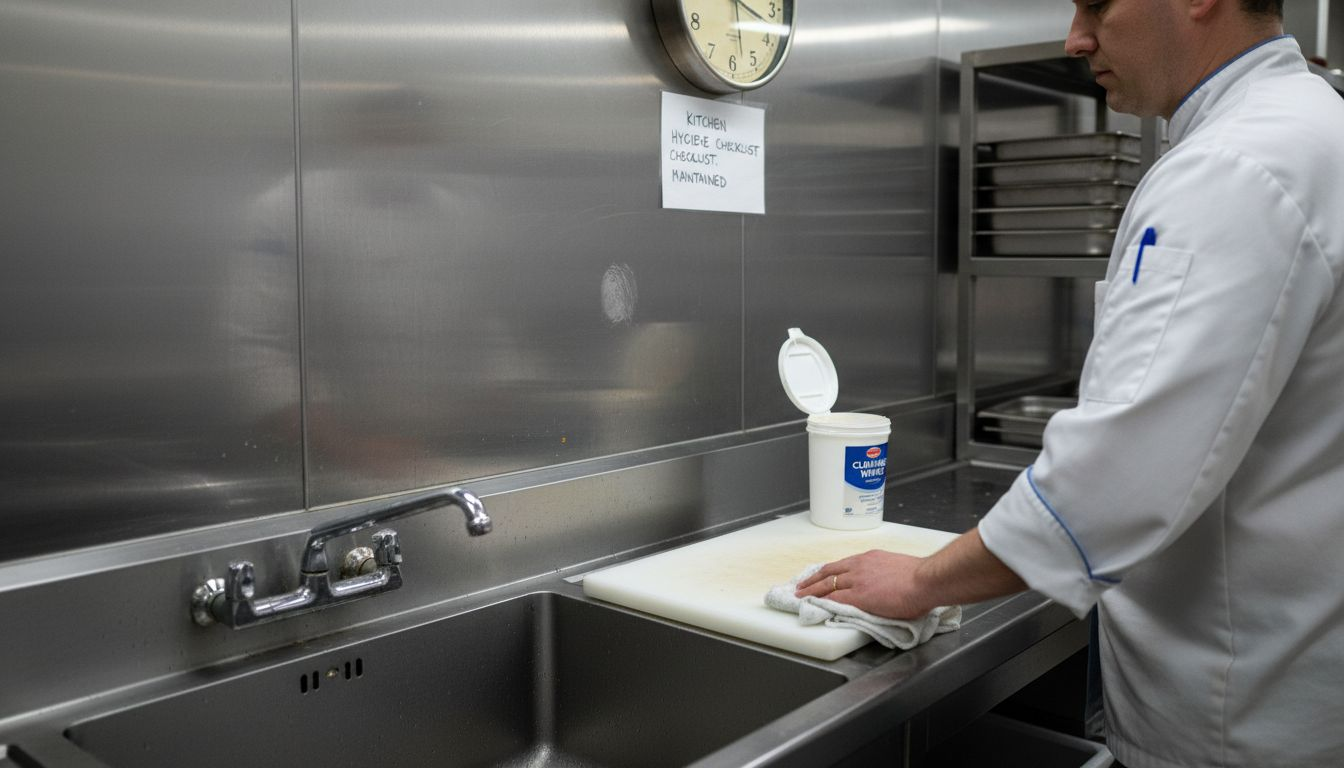
However, practical drawbacks exist. Stainless steel shows fingerprints and scratches easily, requiring frequent cleaning to maintain professional appearance. Material costs range from £60 to £120 per square metre, significantly higher than PVC alternatives. Maintenance intensity exceeds PVC due to surface sensitivity, increasing long-term operational costs despite material durability.
Key characteristics include:
Superior impact resistance preventing damage in high-traffic areas
Exceptional heat resistance ideal for commercial kitchen environments
Long service life justifying higher investment over decades
Visible fingerprints and scratches requiring frequent cleaning
Higher upfront costs ranging from £60 to £120 per m²
Maintenance-intensive surface needing regular attention
The advantages of hygienic wall cladding vary by material, with stainless steel offering unmatched durability at premium cost. Budget-conscious projects often find PVC delivers better value unless extreme heat or impact resistance is essential. Next, we explore a traditional choice — ceramic tiles — which blend hygiene with aesthetic familiarity but come with maintenance trade-offs.
Ceramic tiles: traditional but maintenance-heavy option
Ceramic tiles offer familiar, hygienic surfaces widely accepted in commercial spaces. Their smooth, glazed finish provides adequate hygiene performance when properly maintained, appealing to facilities preferring traditional aesthetics. Ceramic remains popular in lower-impact areas where appearance and moderate hygiene requirements align.
Maintenance demands undermine ceramic’s practicality. Grout joints require resealing every 1-2 years to prevent bacterial colonisation and water ingress, creating ongoing labour costs. Tiles crack from impacts, compromising both hygiene and aesthetics whilst requiring costly repairs. Typical lifespan ranges from 10 to 15 years under normal conditions, shorter than PVC or stainless steel alternatives.
Key considerations include:
Smooth, hygienic surface meeting basic cleanliness standards
Familiar aesthetic widely accepted in commercial settings
Grout maintenance requiring resealing every 1-2 years
Cracking susceptibility from impacts compromising hygiene
10-15 year lifespan shorter than modern alternatives
Lifecycle costs elevated by maintenance and replacement needs
The benefits of hygienic wall cladding diminish with ceramic due to grout vulnerability and maintenance intensity. Modern seamless materials like PVC eliminate grout-related hygiene risks entirely. After traditional ceramic tiles, we will review composite panels offering a modern, lightweight alternative with unique trade-offs.
Composite panels: lightweight and stylish but limited moisture resistance
Aluminium-polyethylene composite panels deliver sleek, modern finishes appealing to design-conscious projects. Their lightweight construction simplifies handling and installation, typically faster than heavier cladding options, reducing labour costs and project timelines. Cost ranges from £50 to £80 per square metre, positioning composites as mid-range priced alternatives.
Moisture limitations restrict composite panel applications. Composite panels absorb about 0.2% moisture, making them unsuitable for wet or hygiene-critical spaces where water exposure is frequent. This absorption risk limits composites to dry commercial areas prioritising style and quick installation over moisture performance.
Composite panel characteristics:
Lightweight design simplifying handling and installation
Sleek, modern aesthetic appealing to design-focused projects
Faster installation reducing labour costs and timelines
Mid-range cost from £50 to £80 per square metre
0.2% moisture absorption limiting wet area suitability
Best suited for dry commercial spaces prioritising style
Material Feature | Performance Rating | Best Use Case |
Moisture Resistance | Low (0.2% absorption) | Dry commercial areas only |
Installation Speed | Fast | Quick-turnaround projects |
Cost per m² | £50-£80 | Mid-budget projects |
Hygiene Suitability | Limited | Non-critical hygiene zones |
The advantages of hygienic wall cladding don’t extend fully to composites in wet environments. Understanding pros and cons of composite wall panels clarifies their niche role in dry settings. With each material examined, we will now compare key performance metrics side by side to clarify decision-making.
Performance comparison and practical recommendations
Comparing materials across critical performance attributes reveals clear use-case alignments. PVC excels in moisture and hygiene resistance whilst offering lower costs and quicker installation, making it ideal for healthcare and wet commercial environments. Stainless steel tops durability and heat resistance charts but carries higher costs and maintenance demands, justifying use only where extreme conditions exist.
Material | Durability | Hygiene | Moisture Resistance | Cost per m² | Installation Speed | Maintenance |
PVC | High | Excellent | Excellent | £25-£45 | Fast | Very Low |
Stainless Steel | Excellent | Excellent | Excellent | £60-£120 | Moderate | Moderate |
Ceramic Tiles | Moderate | Good | Moderate | £30-£60 | Slow | High |
Composite Panels | Moderate | Limited | Low | £50-£80 | Fast | Low |
Practical selection guidance:
Choose PVC for high hygiene demands, wet areas, and cost-conscious projects
Select stainless steel where heat and impact justify premium investment
Use ceramic tiles only where aesthetics outweigh maintenance concerns
Specify composite panels for dry commercial spaces prioritising style
Balance total lifecycle costs including maintenance against upfront price
Pro Tip: Calculate total lifecycle cost over 15-20 years including maintenance, replacement, and cleaning labour to identify true value.
Understanding how to choose wall cladding for hygienic environments requires matching material strengths to specific facility demands and budget realities. Ceramic tiles require upkeep for grout and are vulnerable to impact damage, limiting their practicality. Composite panels suit dry settings offering stylish, fast installs but limited moisture resilience. Having compared materials, we conclude with UK regulatory and sustainability context shaping choices in 2026.
Regulatory, hygiene, and sustainability considerations in 2026
UK healthcare facilities must comply with strict hygiene standards. Health Technical Memorandum 03-01 mandates smooth, impervious surfaces in healthcare environments to control infection and prevent microbial growth. Non-compliance risks regulatory sanctions and patient safety.
Sustainability increasingly influences procurement decisions in 2026 UK construction. Recyclable PVC options are emerging, enhancing environmental benefits whilst maintaining hygiene performance. Stainless steel, despite high upfront carbon intensity, offers lower lifecycle carbon footprint through decades of service without replacement. Material choice affects both regulatory compliance and sustainability strategies.
Key regulatory and sustainability factors:
HTM 03-01 specifies smooth, impervious wall surfaces for healthcare
Non-compliance risks regulatory sanctions and patient safety
Recyclable PVC options emerging with environmental benefits
Stainless steel offers low lifecycle carbon despite high upfront intensity
Sustainability increasingly influences 2026 procurement decisions
“Selecting wall cladding that meets both hygiene standards and sustainability goals requires evaluating material lifecycle impacts alongside upfront costs and compliance requirements.”
Understanding UK hygiene standards for wall cladding ensures procurement decisions align with legal requirements and environmental responsibilities. Finally, we apply insights to present situational picks tailored to common UK environments and budgets.
Situational picks: which wall cladding should you choose?
Matching materials to specific UK scenarios clarifies decision-making. Choose PVC cladding for high hygiene demands in healthcare facilities, commercial kitchens, and wet areas where cost-effective installation and waterproof performance are essential. Its combination of affordability, hygiene compliance, and low maintenance makes PVC the default choice for most hygiene-sensitive projects.
Opt for stainless steel where heat resistance and impact durability in commercial kitchens justify premium costs. Select ceramic tiles only if traditional aesthetics matter and moderate budgets allow for ongoing grout maintenance, accepting shorter lifespans. Consider composite panels exclusively for dry commercial spaces prioritising style and rapid installation without moisture exposure.
Situational recommendations:
Healthcare facilities and wet areas: PVC for hygiene, moisture resistance, and cost efficiency
Commercial kitchens with heat exposure: Stainless steel where durability justifies investment
Aesthetic-focused dry areas: Ceramic tiles accepting maintenance trade-offs
Design-led dry commercial spaces: Composite panels for style and quick installation
Budget-conscious large projects: PVC delivering best value across performance metrics
Pro Tip: Always weigh total lifecycle cost including maintenance, cleaning labour, and replacement over 15-20 years against upfront material price.
Understanding choosing wall cladding for hygienic environments means aligning material strengths with facility-specific demands, regulatory requirements, and budget realities. With situational recommendations complete, we now offer a brief promotional section linking to practical product solutions.
Explore hygienic wall cladding solutions from Hygienic Sheets
Ready to specify wall cladding that meets UK hygiene standards whilst staying within budget? Hygienic Sheets offers comprehensive hygienic wall cladding products including PVC sheets, trims, and profiles designed for healthcare, commercial kitchens, and wet environments across the UK.
Our complete range includes adhesive and installation accessories simplifying installation whilst ensuring long-term performance. We also provide hygienic ceiling cladding options creating cohesive hygiene solutions throughout your facility. With ISO certifications, competitive pricing, and fast nationwide delivery, Hygienic Sheets supports contractors and facility managers seeking cost-effective, compliant solutions in 2026. To finalise, the FAQ section addresses common concerns and detailed queries about wall cladding choice and maintenance.
FAQ
What are the best wall cladding materials for wet healthcare environments?
PVC is best for wet healthcare areas because it is waterproof, non-porous, and resists microbial growth. It meets UK healthcare hygiene standards effectively whilst offering cost advantages and easy maintenance.
How often do ceramic tile grout joints need maintenance?
Grout joints generally require resealing every 1-2 years to maintain hygiene performance. Regular maintenance prevents bacterial buildup and water ingress that compromise cleanliness standards.
Is stainless steel wall cladding cost-effective for commercial kitchens?
Stainless steel is expensive but offers exceptional durability and heat resistance in commercial kitchens. It’s cost-effective where high performance justifies greater purchase and maintenance costs over decades.
Are there UK regulations influencing wall cladding choices in hospitals?
Health Technical Memorandum 03-01 requires smooth, impervious wall surfaces in hospitals to prevent microbial growth. Compliance ensures infection control and regulatory approval for healthcare facilities.
What installation factors affect overall cladding project costs?
Fast and easy installation reduces labour costs and project delays significantly. Materials like PVC often have lower installation complexity than alternatives, cutting total project expenditure by up to 50%.
Recommended


Comments