

Why hygienic wall panels matter for facility managers
- tim7892
- Mar 11
- 7 min read
Updated: Mar 17
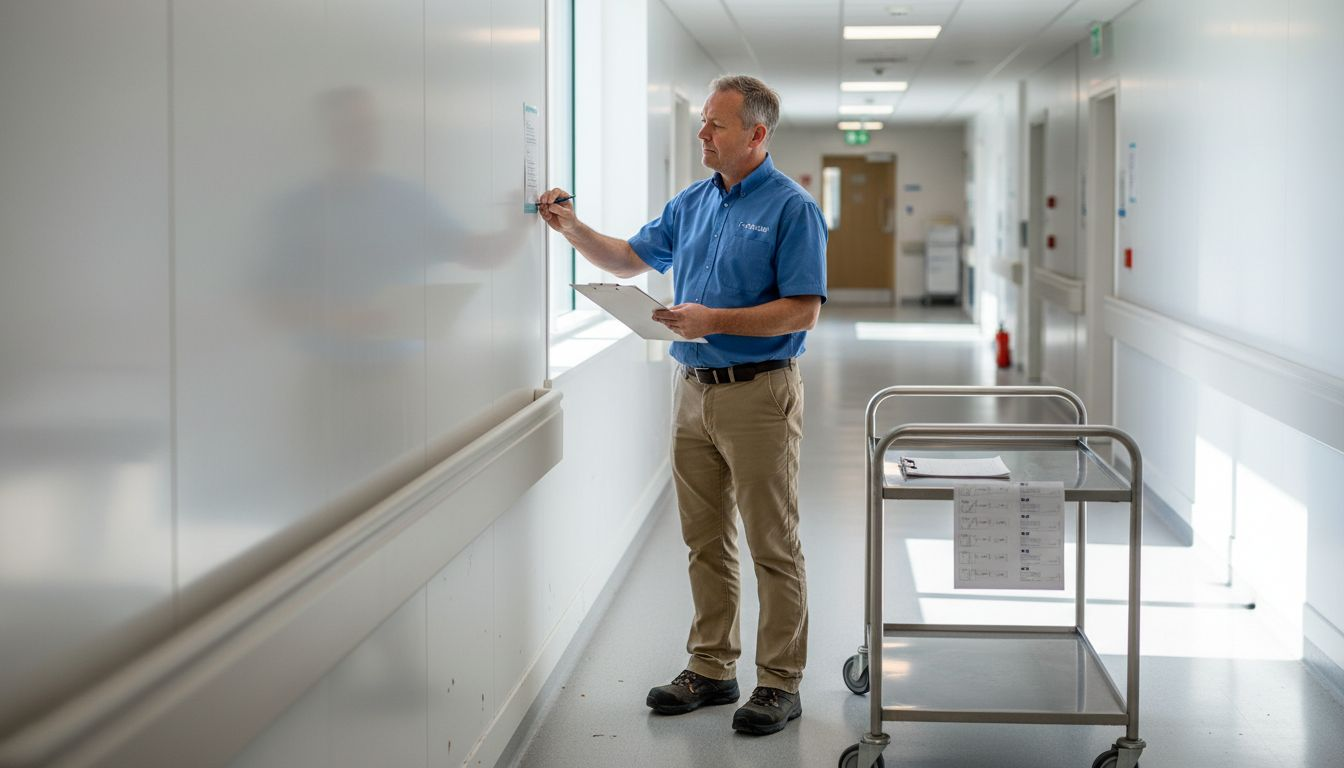
The Importance of Hygienic Wall Panels for Facility Managers
Many facility managers underestimate how wall panel choice impacts hygiene and maintenance costs. Research shows that selecting the wrong panels can lead to microbial contamination, costly repairs, and failed audits. This guide explains why hygienic wall panels truly matter, backed by recent studies and expert advice. You will learn how proper panel choice supports compliance, reduces microbial risk, and saves money long term.
Table of Contents
Key takeaways
Point | Details |
Contamination reduction | Hygienic wall panels drastically reduce microbial contamination compared to traditional surfaces. |
Installation quality | Proper installation and sealing are crucial to prevent moisture ingress and microbial growth behind panels. |
Cost efficiency | Durable, impact resistant panels lower repair costs and extend the lifespan of facility interiors. |
Audit success | Using hygienic wall panels improves hygiene audit success rates in healthcare and food service environments. |
Compliance support | Selecting panels with antimicrobial properties and seamless designs supports easier cleaning and compliance. |
Understanding hygienic wall panels and their benefits
Hygienic wall panels are non-porous, easy to clean surfaces specifically designed to limit bacterial growth in sensitive environments. Unlike traditional materials such as painted drywall or ceramic tiles with grout lines, these panels create a barrier that prevents microbes from establishing colonies. Traditional porous surfaces harbour bacteria more easily because moisture and organic matter can penetrate tiny cracks and crevices.
Hygienic wall panels significantly reduce microbial contamination compared to traditional materials. The science behind their effectiveness lies in antimicrobial surface properties and seamless designs that inhibit microbial buildup. These panels typically feature smooth, non-absorbent faces that prevent moisture retention. Many incorporate antimicrobial additives that actively discourage bacterial growth.
Key benefits include:
Reduced contamination risk in critical areas
Easier daily cleaning routines requiring less labour
Improved compliance with health and safety regulations
Lower long term maintenance requirements
Enhanced visual appearance that remains professional over time
When you understand why hygienic wall panels work, you can make informed decisions about which products suit your facility best. The seamless installation approach eliminates traditional grout lines where bacteria typically accumulate. This design feature alone transforms cleaning protocols from intensive scrubbing to simple wipe downs.
Pro Tip: Choose panels with verified antimicrobial features and minimal joints for maximum hygiene performance in your facility.
The critical role of installation and sealing
Even the highest quality hygienic panels fail when improperly installed. Moisture ingress behind panels creates perfect conditions for mould growth, completely defeating the purpose of installing hygienic surfaces. Water trapped between the panel and substrate feeds microbial colonies you cannot see or clean. This hidden contamination eventually causes panel delamination, structural damage, and health hazards.
Failure to properly seal panel joints leads to water damage and mould growth requiring costly repairs. The financial impact extends beyond replacement materials to include downtime, emergency repairs, and potential regulatory penalties. Prevention costs far less than remediation.
Joint sealing techniques directly impact panel performance. Seamless finishes created through proper overlapping, caulking, and trim application prevent moisture penetration. Every junction point represents a potential weakness in your hygienic barrier. Certified installers understand how to create watertight seals at corners, edges, and penetrations.
Steps to ensure proper sealing:
Prepare substrate surfaces thoroughly, removing all contaminants and ensuring flatness
Apply certified adhesives according to manufacturer specifications for complete coverage
Seal all joints with appropriate silicone or PVC welding techniques
Install trims and profiles to protect vulnerable edges
Conduct visual and moisture inspections before final approval
Document installation procedures for future maintenance reference
When you follow proper installation procedures, you protect your investment and maintain hygiene standards. Using non-certified adhesives or skipping sealing steps creates liability. Moisture problems typically appear months after installation, making prevention essential.
Pro Tip: Always verify installation procedures and use certified adhesives and trims specified by the panel manufacturer.
Choosing the right hygienic wall panel materials
Different panel materials offer distinct advantages for healthcare and food service applications. Understanding material properties helps you match products to environmental demands. The three most common hygienic panel materials each excel in specific scenarios.
FRP (fibreglass reinforced panels) provide exceptional durability for high impact areas. These panels consist of fibreglass reinforcement embedded in resin, creating a rigid, chemical resistant surface. FRP panels withstand up to 1000 psi impact resistance, making them ideal for loading docks, busy kitchens, and corridors with trolley traffic.
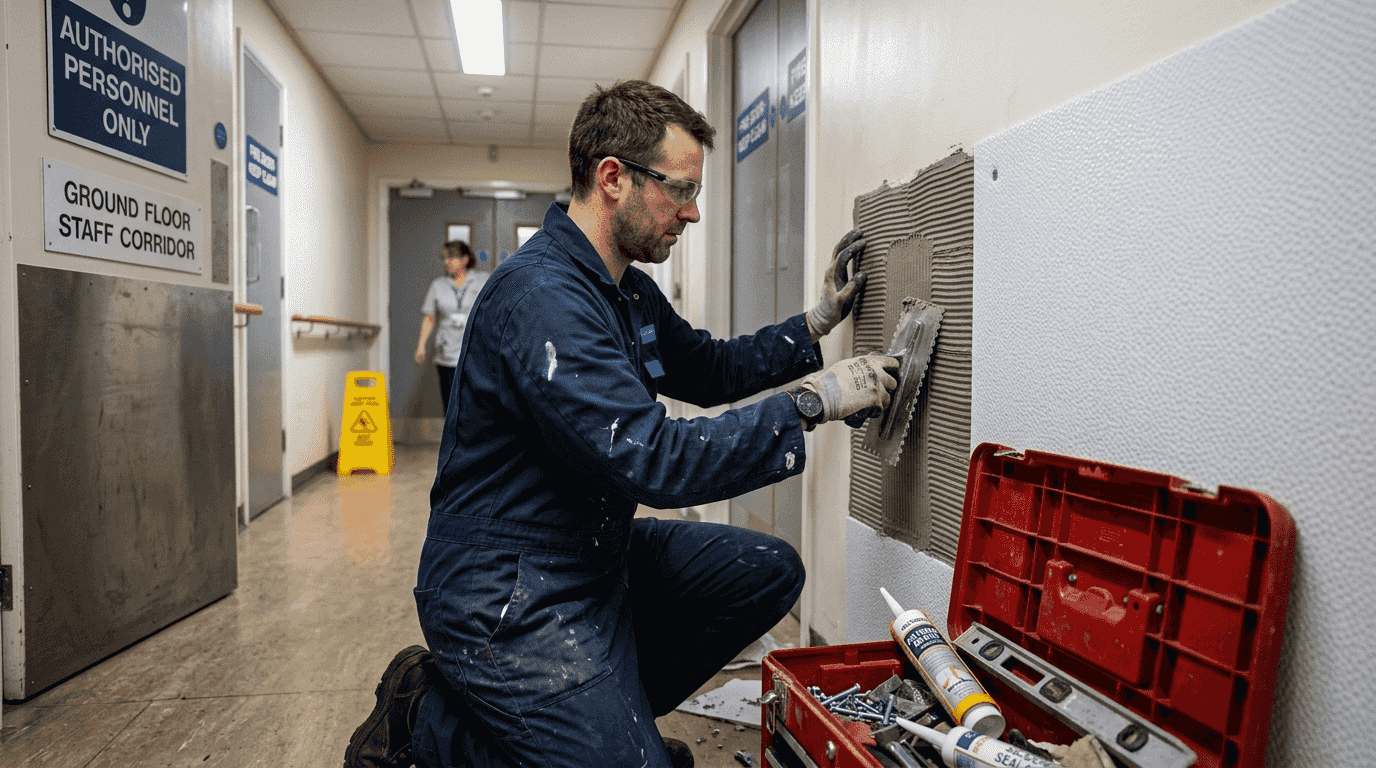
PVC panels offer excellent moisture resistance and easier fabrication. These thermoplastic panels can be heat welded for truly seamless installations. They resist most cleaning chemicals and provide good impact resistance for moderate traffic areas.
Material | Impact Resistance | Chemical Resistance | Cost | Best Application |
FRP | Excellent (1000 psi) | Excellent | Moderate | Commercial kitchens, loading areas |
PVC | Good (600 psi) | Excellent | Lower | Bathrooms, prep areas |
Acrylic faced panels | Moderate (400 psi) | Good | Higher | Patient rooms, offices |
Stainless steel | Excellent (1200 psi) | Excellent | Highest | Operating theatres, sterile zones |
Environment specific demands affect material choice:
High moisture areas require fully waterproof materials like PVC
Impact zones need FRP or stainless steel construction
Chemical exposure areas demand materials resistant to specific cleaning agents
Temperature fluctuations require dimensionally stable materials
Aesthetic requirements in patient facing areas may favour acrylic finishes
Balancing budget with long term performance determines true value. Cheaper panels requiring frequent replacement cost more over five years than durable materials with higher initial prices. When you understand different panel types, you can calculate total cost of ownership accurately.
How hygienic wall panels support maintenance, compliance, and cost savings
The financial case for hygienic wall panels becomes clear when examining long term data. Facilities using impact resistant wall panels experience a 40% reduction in wall damage and repair costs over five years. This dramatic decrease results from panels withstanding impacts that would crack drywall or chip tiles. Fewer repairs mean lower maintenance budgets and less operational disruption.
Hygiene audit performance improves measurably with proper panel installation. Facilities using hygienic wall panels demonstrate a 20% increase in passing hygiene audits. Inspectors evaluate surface cleanliness, moisture control, and bacterial contamination risk. Seamless, non-porous panels score consistently higher across these criteria.
Metric | Traditional Walls | Hygienic Panels | Improvement |
Annual repair costs | £2,400 | £1,440 | 40% reduction |
Cleaning time per area | 25 minutes | 12 minutes | 52% faster |
Audit pass rate | 68% | 88% | 20% increase |
Surface lifespan | 7 years | 15 years | 114% longer |
Microbial contamination | Moderate to high | Low to minimal | 75% reduction |
Best practices to maintain panels and streamline cleaning:
Establish daily wipe down protocols using approved cleaning solutions
Schedule quarterly deep cleaning with specific panel-safe products
Inspect seals and joints monthly for any deterioration signs
Document cleaning procedures and train all relevant staff thoroughly
Replace damaged panels immediately to prevent moisture penetration
Maintain manufacturer recommended cleaning product lists
Total cost of ownership calculations must include installation, cleaning, repairs, and replacement cycles. Initial purchase price represents only 30% of lifetime costs in most facilities. A panel costing twice as much but lasting three times longer delivers superior value.
“Investing in quality hygienic wall panels reduces regulatory compliance risks whilst simultaneously lowering operational costs. The return on investment typically occurs within three years through reduced maintenance and improved audit performance.” – Building Research Establishment
When you implement hygienic solutions in commercial kitchens, you protect food safety whilst reducing costs. The same principles apply across healthcare settings where infection control remains paramount. Selecting appropriate hygienic wall systems in 2026 requires understanding both technical specifications and real world performance data.
Pro Tip: Consider total cost of ownership over at least five years, not just initial purchase price, when evaluating panel options.
Explore hygienic wall panel solutions tailored for your facility
Your facility deserves wall protection that meets stringent hygiene requirements whilst delivering long term value. Quality hygienic wall cladding products designed for healthcare and food service applications combine antimicrobial properties with exceptional durability. These solutions support your compliance goals and reduce maintenance burdens.
Proper installation determines panel performance, which is why comprehensive adhesive and accessories matter as much as the panels themselves. Certified adhesives create permanent bonds that prevent moisture ingress. Trims and profiles protect vulnerable edges whilst creating professional finishes.
Expert guidance helps facility managers and procurement officers navigate product selections confidently. The detailed hygienic wall cladding installation guide provides step by step instructions to ensure optimal results. You gain access to technical support that understands your unique challenges and regulatory requirements.
FAQ
Why are hygienic wall panels essential in healthcare and food service?
Hygienic wall panels limit microbial contamination by creating non-porous barriers that prevent bacterial colonisation. Traditional porous materials like painted drywall and grouted tiles harbour microbes in microscopic crevices that routine cleaning cannot reach. These panels support regulatory compliance by meeting health and safety standards for surface hygiene. They are easier to clean and maintain than traditional surfaces, requiring simple wipe downs instead of intensive scrubbing, which reduces infection risks and labour costs.
What factors should I consider when selecting hygienic wall panels?
Choose panels based on environment specific demands including moisture exposure, impact frequency, and chemical contact from cleaning agents. High traffic areas require impact resistant materials like FRP, whilst wet environments need fully waterproof PVC solutions. Prioritise panels with verified antimicrobial properties and seamless joint designs for maximum hygiene performance. Consider long term cost implications including maintenance requirements, cleaning protocols, and replacement cycles rather than focusing solely on initial purchase price.
How does proper installation impact the performance of hygienic wall panels?
Proper sealing prevents moisture ingress and microbial growth behind panels that would compromise hygiene and cause structural damage. Incorrect installation creates gaps where water accumulates, feeding mould colonies you cannot see or clean, which leads to costly repairs and health hazards. Following manufacturer guidelines and using certified adhesives, trims, and sealing materials ensures optimal performance and protects your investment. Professional installation typically costs 15-20% more initially but prevents problems that would cost three to five times more to remediate.
How often should hygienic wall panels be replaced?
Quality hygienic panels typically last 15-20 years when properly installed and maintained, compared to 7-10 years for traditional wall finishes. Replacement becomes necessary when panels show signs of delamination, persistent staining, or seal failure that cannot be repaired. Regular inspections help identify minor issues before they require full panel replacement. Budget for partial replacements in high impact zones every 8-10 years whilst planning complete refurbishment cycles at 15-20 year intervals.
Can hygienic wall panels be installed over existing surfaces?
Yes, most hygienic panels can be installed over existing painted drywall, plaster, or tile surfaces if properly prepared. The existing surface must be clean, dry, structurally sound, and reasonably flat to ensure proper adhesive bonding. Severely damaged walls, areas with active moisture problems, or surfaces with peeling paint require repair before panel installation. Installing over appropriate substrates saves demolition costs and reduces project timelines whilst still achieving excellent hygiene performance.
Recommended
Comments