

6 Essential Hygienic Cladding Trends 2026 for Facility Managers
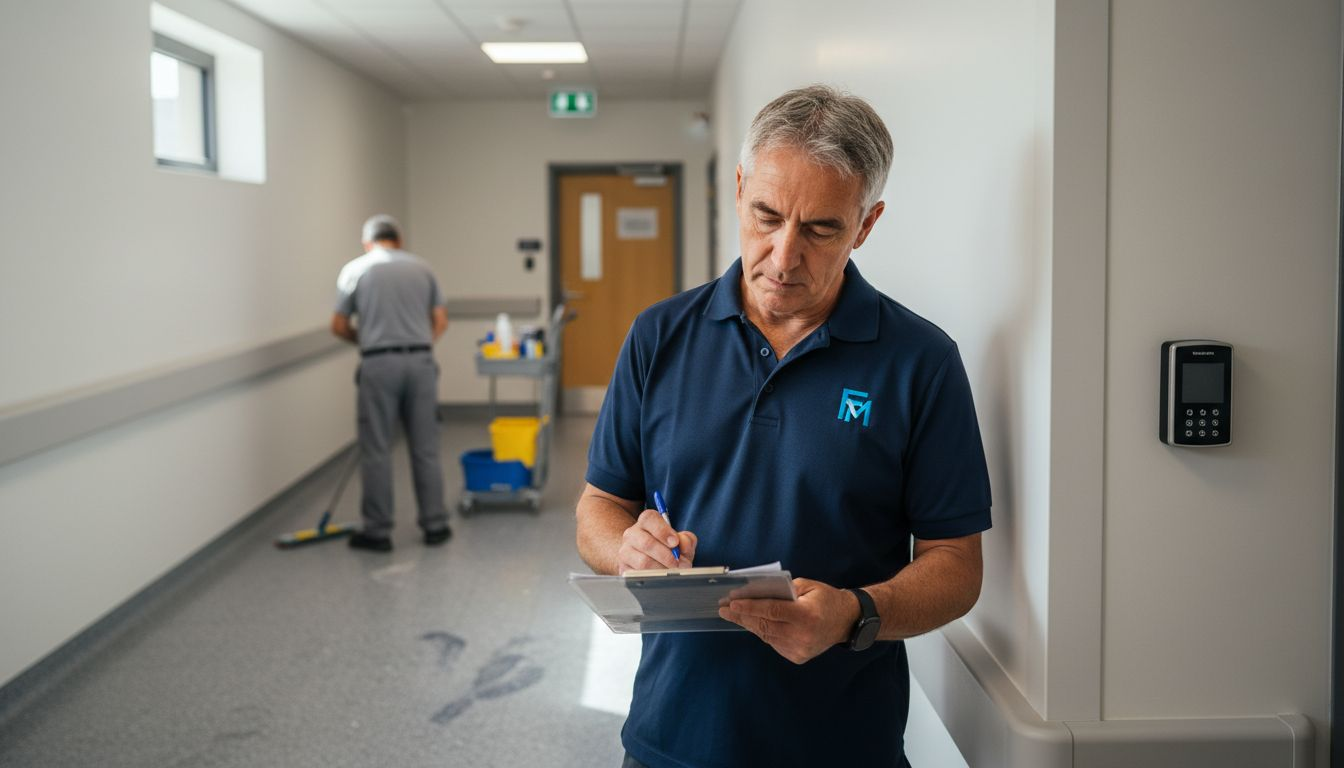
Six Must-Know Hygienic Cladding Innovations for 2026
Choosing the right wall cladding for your facility can feel overwhelming when balancing hygiene, durability, and sustainability. Outdated materials and finishes often fall short of meeting modern environmental standards, while rigorous cleaning demands are only getting tougher. If you want to keep your space compliant and practical for staff, adopting new trends in hygienic cladding is becoming vital.
This list brings you actionable solutions that go beyond basic wall protection. You will learn about advanced materials like biopolymers, antimicrobial coatings, seamless corner joints, and smart monitoring systems—all backed by proven innovations and research. Get ready to discover specific upgrades that can simplify maintenance, lower your carbon footprint, and strengthen hygiene compliance from healthcare wards to kitchens.
Each insight offers a clear advantage, equipping you with practical options to enhance both cleanliness and sustainability. Explore these trends and see how you can future-proof your facility with smarter, safer wall cladding choices.
Table of Contents
1. Embracing Eco-Friendly Wall Cladding Materials
2. Rise of Antimicrobial Coatings for Extra Protection
3. Latest Innovations in Seamless Corner Joints
4. Digital Printing: Custom Designs with Hygiene Assured
5. Easy-to-Clean Textures for Faster Maintenance
6. Smart Cladding Systems with Real-Time Monitoring
Quick Summary
Takeaway | Explanation |
1. Eco-friendly materials reduce waste and energy | Sustainable wall cladding options lower environmental impact without compromising hygiene or durability. |
2. Antimicrobial coatings actively suppress pathogens | These coatings prevent microbial adhesion, significantly decreasing infection risk in high-touch areas. |
3. Seamless corner joints enhance hygiene | Eliminating gaps where contaminants gather makes cleaning easier and improves overall facility cleanliness. |
4. Digital printing allows for custom designs | This technology combines aesthetic customisation with the necessary antibacterial properties for hygienic cladding. |
5. Smart cladding systems enable proactive maintenance | Real-time monitoring of conditions prevents issues before they disrupt operations or compliance. |
1. Embracing Eco-Friendly Wall Cladding Materials
Facility managers face mounting pressure to reduce environmental impact whilst maintaining strict hygiene standards. Eco-friendly wall cladding materials offer a solution that doesn’t compromise on performance or compliance.
Traditional synthetic cladding materials consume significant energy during production and create lasting waste. Modern alternatives like biopolymers such as PLA and PHAs provide biodegradable, renewable options that substantially reduce embodied energy and environmental footprint.
Beyond biopolymers, sustainable cladding incorporates multiple material types:
Recycled metals (aluminium and steel) offer strength and durability whilst being fully recyclable
Timber and bio-based composites deliver natural insulation and visual appeal with reduced carbon impact
Starch-based polymers break down naturally whilst maintaining structural integrity during use
Why does this matter for your facility? Sustainable cladding materials significantly reduce embodied energy and waste, supporting circular economy principles essential for 2026 compliance. Healthcare and food service facilities increasingly face regulations demanding lower environmental impact, making eco-friendly choices strategic rather than optional.
These materials perform just as well as conventional options. They resist moisture, withstand heavy cleaning, and maintain hygiene standards without environmental compromise.
Eco-friendly cladding materials align with growing environmental regulations whilst maintaining the durability and hygiene performance your facility demands.
Implementation in your facility requires careful material selection. Consider your specific environment: food preparation areas benefit from moisture-resistant bio-composites, whilst hospital corridors can utilise recycled metal cladding for durability and cleanability.
Pro tip: Start with a single high-traffic area in your facility to test eco-friendly cladding performance and maintenance requirements before rolling out facility-wide installation.
2. Rise of Antimicrobial Coatings for Extra Protection
Antimicrobial coatings represent a fundamental shift in how facilities protect against microbial threats. These advanced surface treatments actively suppress bacteria, fungi, and viruses rather than simply containing them.
Traditional cladding materials are passive barriers. Antimicrobial coatings transform surfaces into active defence systems that continuously inhibit pathogen growth and prevent biofilm formation where contamination typically takes hold.
How do these coatings work? Recent advances in antimicrobial polymer coatings employ multiple protective mechanisms to achieve broad-spectrum protection.
The main technologies include:
Metal nanoparticles that disrupt microbial cell structures on contact
Quaternary ammonium compounds that prevent bacterial adhesion to surfaces
Antimicrobial peptides that block pathogenic activity without harming facility users
For healthcare and food service facilities, this matters considerably. Antimicrobial surface coatings reduce healthcare-associated infections by actively preventing bacterial adhesion and biofilm development on your walls and ceilings. This creates measurable compliance advantages and genuinely safer environments.
Your facility’s high-touch areas benefit most from these coatings. Hospital corridors, food preparation zones, and patient isolation rooms see dramatic reductions in cross-contamination risk when paired with antimicrobial cladding solutions.
Antimicrobial coatings provide active microbial suppression using durable, non-toxic substances that inhibit pathogenic transmission at the surface level.
Implementation requires understanding durability expectations. These coatings maintain effectiveness through repeated cleaning cycles, maintaining protection even under harsh sanitisation protocols. They withstand both chemical disinfectants and physical scrubbing without losing antimicrobial properties.
Comparison to standard cladding shows distinct advantages:
Active protection rather than passive containment
Reduced biofilm accumulation between cleaning cycles
Extended surface life through continuous microbial suppression
Compliance alignment with 2026 infection prevention standards
Pro tip: Specify antimicrobial coatings in your highest-contamination risk areas first, such as food preparation surfaces and isolation rooms, before expanding facility-wide to maximise infection prevention impact whilst managing installation costs.
3. Latest Innovations in Seamless Corner Joints
Corner joints represent one of the most overlooked yet critical details in hygienic cladding installations. Modern innovations have transformed them from visible weak points into seamlessly integrated design elements that enhance both aesthetics and hygiene.
Traditional corner solutions left visible metal or vinyl attachments that trapped dirt and created maintenance headaches. New seamless technologies eliminate these vulnerabilities entirely, creating flush corners that are easier to clean and more visually polished.
Cutting-edge corner joint designs now feature precision 45-degree edge cuts and polished joints that blend seamlessly into your cladding system. This approach removes visible seams where bacteria and moisture could previously accumulate.
The main advantages for your facility include:
Continuous visual lines that create a cleaner, more professional appearance
Eliminated gaps where contaminants previously gathered between panels
Faster installation with lightweight composite-based corner elements
Superior durability that resists moisture infiltration at vulnerable junction points
Why does this matter in healthcare and food service? Corners are high-contamination zones where standard designs allow bacteria and biofilm to establish themselves. Seamless joints eliminate these harbouring points entirely.
Mitered lap siding with robust interior corner framing ensures durable, continuous horizontal wraps that maintain structural integrity whilst presenting a unified surface. This technique supports both aesthetic consistency and hygiene compliance across your facility.
Seamless corner joints eliminate the hidden spaces where contamination thrives, transforming vulnerable installation points into continuous hygienic barriers.
Implementation in your facility requires specifying the right corner joint system during initial procurement. Modern seamless solutions integrate with standard cladding profiles, making retrofit installations equally straightforward.
Consider these factors when selecting corner joints:
Material compatibility with your chosen cladding panels
Installation complexity and labour requirements
Long-term maintenance and cleanability standards
Resistance to chemicals and heavy-duty sanitisation protocols
Pro tip: Request samples of seamless corner joints installed alongside your chosen cladding colour and finish before committing to facility-wide specification, ensuring visual consistency and installation compatibility.
4. Digital Printing: Custom Designs with Hygiene Assured
Digital printing technology has transformed hygienic cladding from purely functional surfaces into bespoke design elements tailored to your facility’s specific needs. This innovation delivers the best of both worlds: aesthetic customisation and uncompromised hygiene standards.
Traditional cladding offered limited colour and pattern options that often felt generic and institutional. Digital printing allows custom textures and patterns that are antibacterial and easy to maintain, creating seamless, non-porous surfaces that inhibit microbial growth.
How does this work in practice? Digital printing applies custom designs directly onto hygienic surfaces without compromising their integrity. The printed layer remains seamless and non-porous, maintaining the same cleanability as standard cladding.
Key benefits for facility managers include:
Bespoke branding that reflects your facility’s identity and values
Infection control with antibacterial properties maintained throughout the surface
Design flexibility enabling themed areas for patient or client comfort
Compliance assurance with moisture-resistant, antibacterial properties built in
Your healthcare or food service facility gains significant advantages from custom-printed cladding. Patient recovery spaces become more welcoming environments whilst maintaining strict hygiene protocols. Food preparation areas can display facility standards and safety information directly on the walls.
Advanced material technologies including digitally printed finishes enhance design customisation without sacrificing the sanitation compliance your sector demands. This integration of aesthetics and functionality aligns with evolving facility management expectations.
Digital printing delivers aesthetic customisation and strong compliance with sanitation regulations, meeting facility demands for both form and function.
Implementation requires partnering with suppliers experienced in hygienic printing technologies. Specify your design requirements upfront, including colour matching to existing décor and pattern placement for maximum visual impact.
Consider these applications:
Directional wayfinding printed directly onto walls
Branded colours creating departmental identity
Educational graphics in patient or client spaces
Anti-slip safety patterns in high-risk areas
Pro tip: Develop printed designs during facility planning stages rather than retrofitting, allowing you to maximise visual impact whilst ensuring seamless installation and optimal colour consistency across all wall surfaces.
5. Easy-to-Clean Textures for Faster Maintenance
Maintenance time directly impacts your facility’s operating costs and staff resources. Easy-to-clean textures represent a practical solution that reduces both whilst maintaining superior hygiene standards.
Traditional cladding surfaces often featured complex patterns that trapped dirt and required intensive scrubbing. Modern innovations prioritise smooth, durable finishes that release contaminants with minimal effort and chemical use.
Materials like fiberglass reinforced plastics and powder-coated metals now feature smooth, durable finishes that resist chemical damage and microbial adhesion. These surfaces facilitate frequent cleaning whilst maintaining longevity and appearance across your facility.
Why does texture matter for your maintenance schedule? Surface irregularities create pockets where bacteria establish themselves between cleaning cycles. Smooth textures eliminate these harbouring zones entirely, reducing both cleaning time and contamination risk.
Key advantages of easy-to-clean textures include:
Reduced labour costs through faster surface cleaning protocols
Lower chemical consumption because contaminants release more easily
Extended surface life from minimised abrasive scrubbing damage
Consistent hygiene results with less variation between cleaning cycles
Ceramic cladding deserves particular attention in this trend. Textured yet smooth ceramic surfaces offer visual and tactile appeal whilst resisting stains and moisture, ideal for kitchens and bathrooms. These surfaces combine aesthetics with genuine functionality that your staff will appreciate daily.
Easy-to-clean textures reduce maintenance time and costs whilst enabling consistent hygiene standards across your facility.
Implementation requires specifying surfaces during procurement rather than retrofitting. Request product samples and conduct cleaning trials with your standard protocols to ensure texture performance matches your operational reality.
Matching textures to facility zones:
Food preparation areas benefit from seamless ceramic or smooth polymer finishes
High-traffic corridors tolerate slightly more texture for grip and visual interest
Isolation rooms require absolutely smooth surfaces for maximum decontamination efficiency
Patient care areas can incorporate textured ceramics for warmth whilst maintaining cleanability
Pro tip: Conduct cleaning time trials with your current staff using sample textures before facility-wide specification, measuring labour hours and chemical use to quantify maintenance savings and staff acceptance.
6. Smart Cladding Systems with Real-Time Monitoring
Smart cladding represents the future of facility management, transforming passive wall systems into active data collectors that inform decision-making. Real-time monitoring capabilities provide unprecedented insight into your facility’s performance and maintenance needs.
Traditional cladding offers no visibility into environmental conditions or structural performance. Modern smart systems embed sensors throughout your building envelope, continuously tracking critical operational metrics without disrupting facility operations.
Smart cladding systems embed sensors that monitor temperature, humidity, and air quality to optimise building performance. Data collected helps you improve energy efficiency, track environmental conditions, and anticipate maintenance needs before problems develop.
How does this benefit your healthcare or food service facility? Real-time monitoring enables predictive maintenance strategies rather than reactive repairs. You identify moisture accumulation, temperature fluctuations, or structural concerns before they impact operations or compliance.
Key monitoring capabilities include:
Temperature tracking across different zones for energy optimisation
Humidity detection preventing mould growth and material degradation
Air quality monitoring supporting infection prevention protocols
Structural integrity alerts enabling timely maintenance interventions
Integrated smart construction monitoring systems combine IoT sensors and 3D laser scanning to provide comprehensive building envelope data. These systems improve safety and quality management whilst advancing intelligent cladding solutions with precise environmental monitoring.
Smart monitoring transforms cladding from a static barrier into an active information system that improves facility performance and reduces operational costs.
Implementation begins with identifying critical monitoring zones within your facility. Isolation rooms, food preparation areas, and high-risk patient spaces benefit most from detailed environmental tracking.
Practical applications for your facility:
Detect humidity spikes indicating water infiltration before material damage occurs
Optimise HVAC systems based on real-time envelope performance data
Generate compliance reports automatically documenting environmental conditions
Identify energy loss patterns enabling targeted efficiency improvements
Pro tip: Start smart monitoring in one high-risk zone such as a food preparation area or isolation ward, collecting baseline data for three months before expanding facility-wide to validate ROI and optimise sensor placement strategy.
Below is a comprehensive table summarising the main strategies and innovations discussed throughout the article, focusing on eco-friendly cladding materials and technology advancements to enhance hygiene and sustainability in facilities.
Topic | Details | Advantages |
Eco-Friendly Cladding Materials | Includes biopolymers, recycled metals, timber, starch-based polymers. | Reduces environmental footprint, ensures hygiene standards. |
Antimicrobial Coatings | Employs metal nanoparticles, quaternary ammonium compounds, antimicrobial peptides. | Active microbial suppression, prevents biofilm formation. |
Seamless Corner Joints | Utilises precision-engineered flush designs and composites. | Enhances hygiene, resists moisture, improves aesthetics. |
Digital Printing | Applies bespoke, non-porous designs directly to cladding. | Combines custom aesthetics with antibacterial properties. |
Easy-to-Clean Textures | Features smooth, durable surfaces like reinforced plastics and ceramic. | Simplifies cleaning, reduces labour and chemical use, prolongs material life. |
Smart Cladding Systems | Integrates IoT sensors for real-time data monitoring. | Optimises performance, supports predictive maintenance, enhances compliance. |
Enhance Your Facility with Trusted Hygienic Cladding Solutions
Facility managers face increasing demands to comply with evolving hygiene and environmental standards, as highlighted in the article “6 Essential Hygienic Cladding Trends 2026 for Facility Managers”. Key challenges include selecting eco-friendly materials, antimicrobial coatings, seamless corner joints, and easy-to-clean textures that reduce maintenance time while ensuring strict sanitation. Meeting these needs is crucial to safeguard patient and consumer safety, reduce operational costs, and future-proof your facility against upcoming regulations.
At Hygienic Sheets, we specialise in high-quality PVC wall cladding and accessories designed to address exactly these concerns. Our broad product range offers durable, waterproof, and low-maintenance cladding panels that support seamless installations, incorporating corner profiles and antimicrobial-enhanced surfaces. Whether you require moisture-resistant panels for healthcare or food preparation areas, or stylish, customisable finishes that maintain hygiene without compromise, our solutions empower you to confidently implement these 2026 trends.
Explore our comprehensive range today and take the first step towards transforming your facility with modern hygienic cladding.
Discover the benefits of combining innovation with reliability. Visit Hygienic Sheets now to browse our selection and order faster delivery tailored to your project needs. Secure your facility’s compliance and elevate hygiene standards with cladding solutions trusted across the UK.
Frequently Asked Questions
What are eco-friendly wall cladding materials, and why should I consider them for my facility?
Eco-friendly wall cladding materials are sustainable options that reduce environmental impact without sacrificing performance. They can significantly lower embodied energy and waste, making them a valuable choice for compliance with evolving regulations. Evaluate your specific requirements by assessing your facility’s spaces and testing materials in key areas before broader implementation.
How do antimicrobial coatings enhance hygiene in high-risk areas of my facility?
Antimicrobial coatings actively suppress the growth of bacteria, fungi, and viruses, making surfaces safer and more hygienic. To optimise your facility’s health standards, apply these coatings in high-touch areas such as hospital corridors and food preparation zones, ensuring continuous protection against microbial threats.
What are seamless corner joints, and how do they improve hygiene and aesthetics in my facility?
Seamless corner joints create flush, integrated designs that eliminate gaps where contaminants can accumulate. Specify these innovative corner solutions during your next cladding project to enhance both the visual appeal and cleanliness of your facility, ultimately reducing the risk of bacterial growth in vulnerable areas.
How can digital printing on cladding improve the aesthetics and hygiene of my facility?
Digital printing allows for custom designs on hygienic surfaces without compromising their antibacterial properties. To enhance your facility’s environment, incorporate digitally printed cladding during the planning stages, creating engaging, themed spaces while maintaining sanitation standards.
What maintenance benefits do easy-to-clean textures offer for cladding in my facility?
Easy-to-clean textures simplify maintenance by reducing cleaning time and chemical use while ensuring consistent hygiene. Implement smooth, durable finishes in areas like food preparation and hospitals to achieve faster cleaning protocols, potentially decreasing labour time by up to 30%.
How can smart cladding systems with real-time monitoring enhance facility management?
Smart cladding systems provide continuous monitoring of key metrics like temperature and humidity, enabling predictive maintenance and optimal energy use. Start by identifying critical zones in your facility for sensor placement to collect baseline data, allowing for timely interventions to prevent potential issues.
Recommended
Comments