

Why choose waterproof wall panels for hygiene spaces
Updated: Mar 16
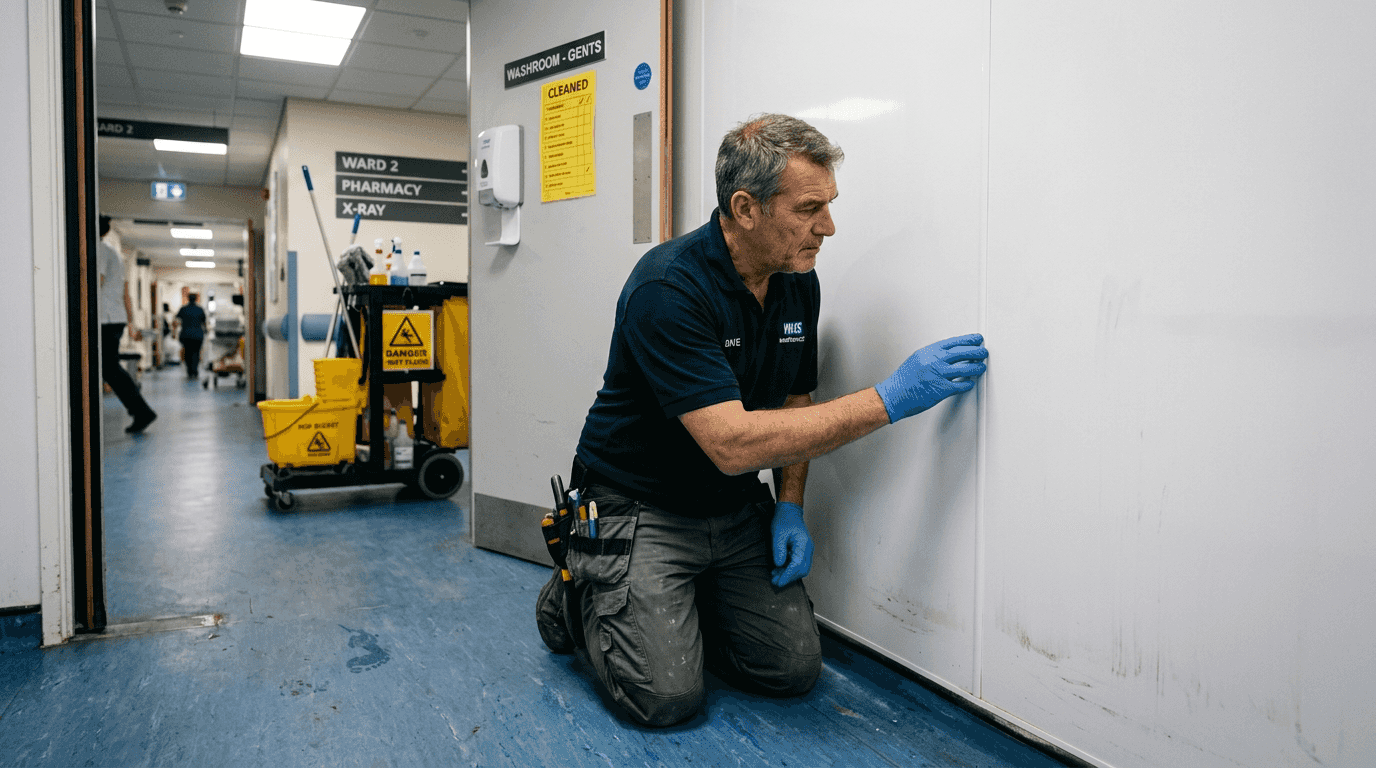
The Benefits of Waterproof Wall Panels in Hygienic Environments
Many facility managers assume traditional painted walls meet hygiene standards in healthcare and food service environments. However, research reveals that conventional wall finishes harbour bacteria and fungi, creating infection risks and costly maintenance challenges. Hygienic PVC wall cladding systems offer superior resistance to microbial growth whilst providing waterproof protection. This guide examines the concrete evidence supporting waterproof wall panels as the optimal solution for hygiene-critical facilities, covering hygiene performance, moisture protection, cost effectiveness, and installation best practices to help you make informed decisions.
Table of Contents
Understanding The Hygiene Advantages Of Waterproof Wall Panels
Waterproofing Benefits: Protecting Facilities From Moisture And Mould
Evaluating Long-Term Cost-Effectiveness And Environmental Impact
Installation Best Practices And Maintenance Tips For Longevity
Why Choose Waterproof Wall Panels: Frequently Asked Questions
Key takeaways
Point | Details |
Microbial reduction | Waterproof PVC panels reduce bacterial load by up to 99% compared to painted surfaces |
Moisture barrier | Properly installed waterproof panels prevent mould growth by blocking moisture ingress |
Cost efficiency | Lower maintenance, cleaning, and replacement costs deliver long-term savings |
Installation critical | Correct sealing and regular inspections maintain waterproof integrity and hygiene performance |
Understanding the hygiene advantages of waterproof wall panels
The smooth, non-porous surface of PVC wall cladding creates an environment where bacteria and fungi cannot easily adhere or colonise. Traditional painted walls develop microscopic cracks and porous areas over time, providing ideal harbourage points for microorganisms. Studies demonstrate that hygienic wall cladding systems reduce microbial growth significantly compared to conventional materials.
Research indicates up to 99% reduction in bacterial load on properly maintained PVC surfaces versus painted walls in healthcare settings. This dramatic difference stems from the material’s inherent properties and ease of effective disinfection. Standard cleaning protocols achieve far better results on waterproof panels because disinfectants contact the entire surface without absorbing into porous substrates.
The advantages of hygienic wall cladding extend beyond initial cleanliness. These panels simplify daily cleaning routines, requiring less time and fewer harsh chemicals to achieve thorough disinfection. Staff can wipe down surfaces quickly with approved sanitisers, knowing the smooth material prevents microbial penetration beneath the surface layer.
Cross-contamination risk drops substantially in sensitive environments when waterproof panels replace traditional finishes. Operating theatres, food preparation zones, and patient care areas benefit from surfaces that do not shed particles or harbour pathogens in microscopic crevices. Regular wall finishes deteriorate under frequent cleaning, creating rough patches that trap contaminants and resist thorough sanitisation.
Pro Tip: Always specify certified hygienic PVC cladding that meets relevant health and safety standards to ensure material quality and documented hygiene performance.
Key hygiene benefits include:
Seamless surfaces eliminate grout lines and joints where bacteria accumulate
Chemical resistance allows use of strong disinfectants without material degradation
Impact resistance prevents damage that creates microbial harbourage points
Colour stability maintains professional appearance despite intensive cleaning regimes
“Non-porous wall surfaces in healthcare facilities represent a fundamental infection control measure, reducing pathogen transmission and supporting stringent hygiene protocols.”
Waterproofing benefits: protecting facilities from moisture and mould
Moisture ingress ranks among the primary causes of structural damage and mould proliferation in commercial facilities. Water penetration through wall surfaces creates ideal conditions for fungal growth, compromising both building integrity and occupant health. Waterproof wall panels function as effective moisture barriers, preventing water from reaching substrate materials where mould colonies establish.
Research from the EPA shows mould prevention improves dramatically when waterproof barriers protect wall cavities. Studies document approximately 70% reduction in mould growth when properly installed waterproof panels replace traditional wall finishes in moisture-prone environments. This protection proves particularly valuable in areas with frequent water exposure, such as commercial kitchens, hospital bathrooms, and food processing facilities.
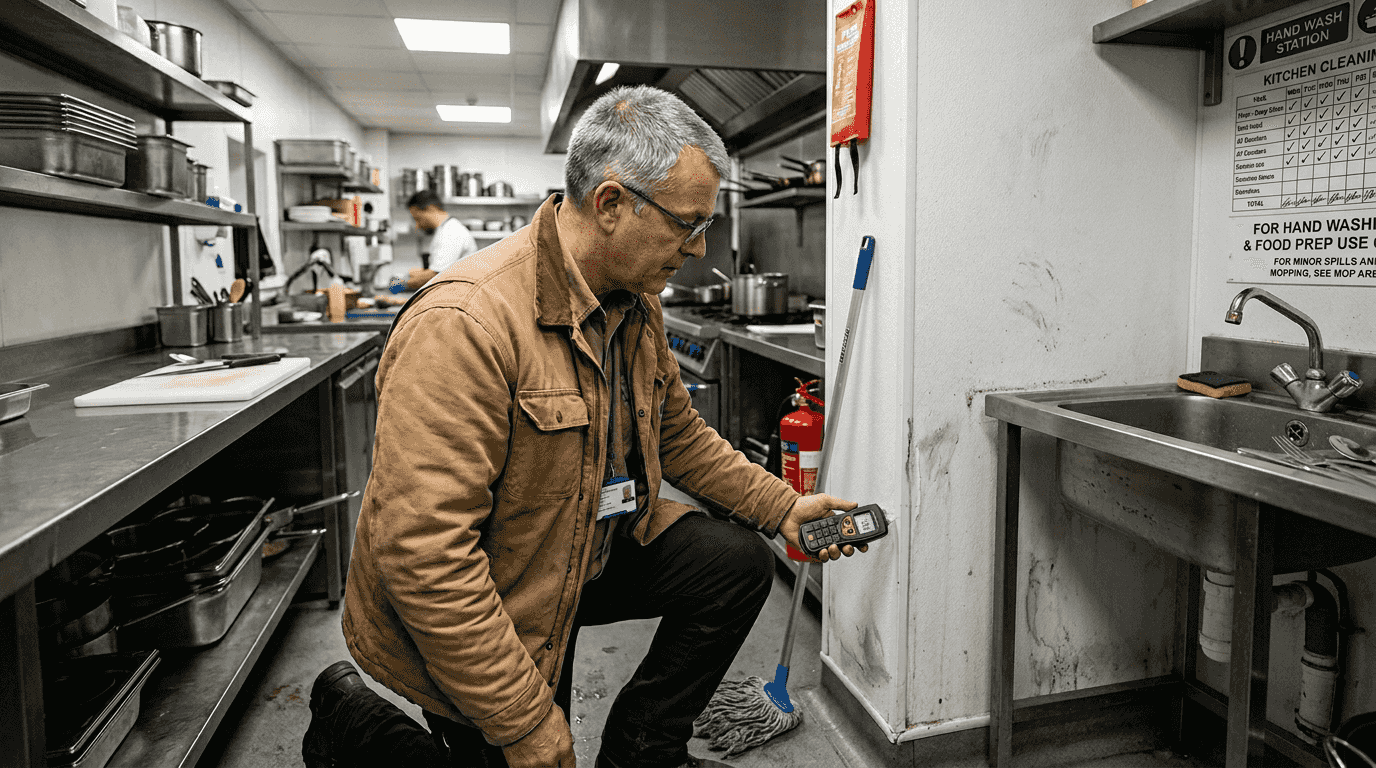
Unchecked moisture damage generates substantial repair costs and creates serious hygiene hazards. Mould spores trigger respiratory issues and allergic reactions, whilst structural deterioration requires expensive remediation. Waterproof panels prevent these problems by blocking moisture at the surface level, keeping wall cavities dry and mould-free.
Wall Type | Mould Growth Rate | Moisture Penetration | Maintenance Frequency |
Traditional painted | High (baseline) | Significant | Monthly repairs |
Waterproof PVC panels | 70% lower | Minimal to none | Biannual inspection |
Ceramic tile | Moderate | Through grout lines | Quarterly regrouting |
Implementing best PVC cladding practices ensures maximum waterproof performance. The panel system only functions effectively when installed correctly with proper attention to seams, edges, and penetrations. Any gaps or unsealed joints compromise the moisture barrier, allowing water ingress that defeats the system’s purpose.
Maintaining waterproof integrity requires systematic attention:
Inspect all panel seams and edges quarterly for separation or damage
Check sealant condition around fixtures, outlets, and wall penetrations
Clean surfaces weekly using manufacturer-approved products and methods
Address any damage or wear immediately to prevent moisture entry
Document inspection findings and maintenance actions for compliance records
The uses for hygienic PVC wall cladding span numerous applications where moisture control matters. Commercial kitchens, hospital wet rooms, pharmaceutical clean rooms, and food storage areas all benefit from waterproof protection that maintains hygiene standards whilst preventing costly water damage.
Pro Tip: Ensure installers seal all panel seams and edges with appropriate marine-grade sealant during installation to maintain complete waterproof protection throughout the panel system’s service life.
Evaluating long-term cost-effectiveness and environmental impact
Financial analysis reveals substantial savings from waterproof wall panels over their operational lifetime. Initial material costs represent only one component of total ownership expenses. Reduced cleaning time, lower chemical consumption, and minimal repair requirements generate ongoing savings that quickly offset higher upfront investment compared to painted walls.
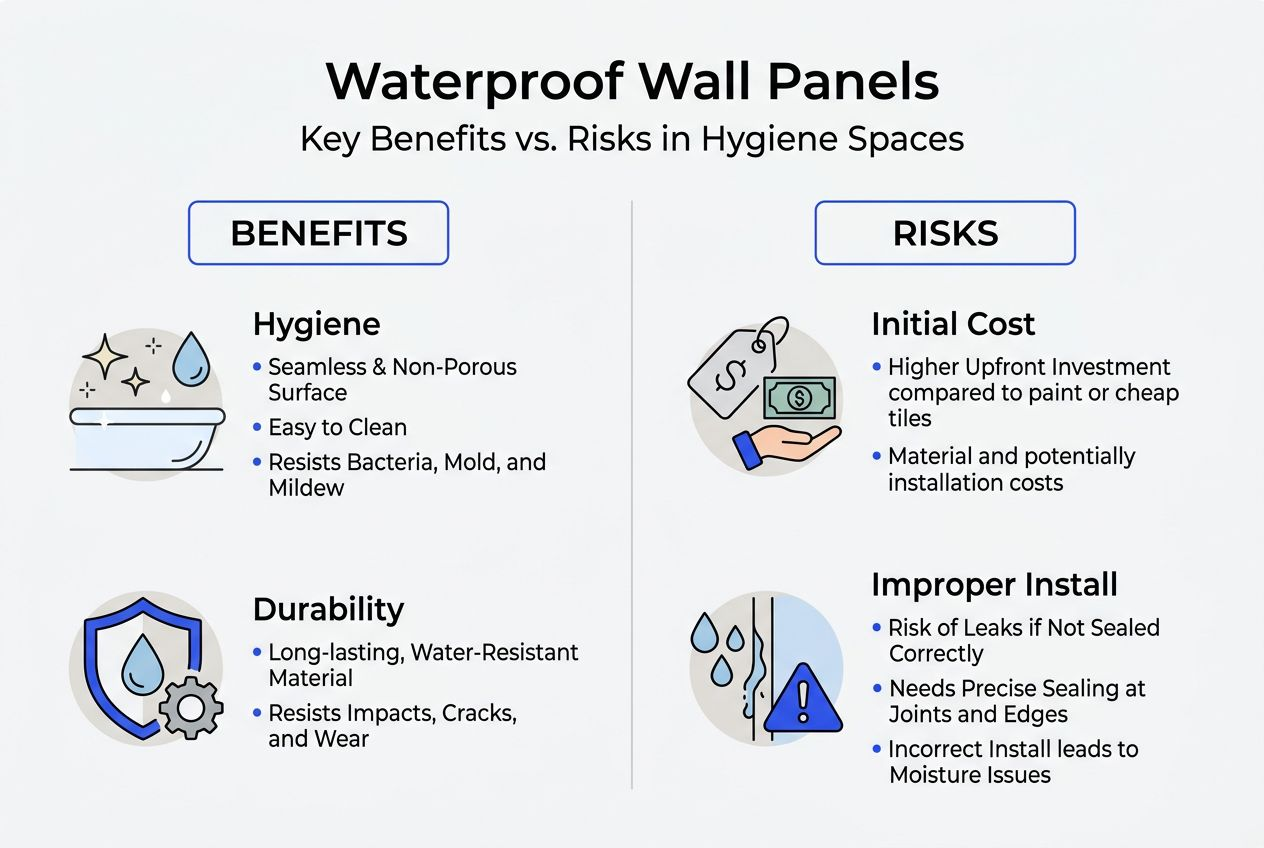
PVC panels cut cleaning labour costs significantly because smooth surfaces require less scrubbing time and fewer cleaning passes to achieve thorough sanitisation. Waterproof wall panels deliver cost savings through reduced maintenance intervals and extended service life. Facilities typically see 40-60% reduction in wall maintenance expenses within the first five years after installation.
Cost Factor | Traditional Walls (10 years) | Waterproof Panels (10 years) | Savings |
Initial installation | £8,000 | £12,000 | (£4,000) |
Cleaning supplies | £3,500 | £1,400 | £2,100 |
Labour (maintenance) | £6,000 | £1,800 | £4,200 |
Repairs/repainting | £5,500 | £800 | £4,700 |
Total 10-year cost | £23,000 | £16,000 | £7,000 |
Panel longevity eliminates frequent repainting and repair cycles that disrupt operations and generate waste. Properly maintained PVC cladding serves 20-25 years without replacement, whilst painted walls require recoating every 3-5 years in high-traffic or moisture-exposed areas. Facility managers recognise these lifecycle advantages when evaluating wall finishing options.
Environmental considerations warrant attention when specifying PVC products. Manufacturing PVC requires significant energy input, and disposal presents challenges without proper recycling infrastructure. However, the material’s durability and longevity offset environmental impact through reduced replacement frequency and lower maintenance resource consumption over decades of service.
Sustainability factors to evaluate when selecting PVC suppliers:
ISO 14001 environmental management certification demonstrating commitment to ecological responsibility
Recycling programmes accepting post-consumer PVC for reprocessing into new products
Energy-efficient manufacturing processes reducing carbon footprint per unit produced
Waste reduction initiatives minimising offcuts and packaging materials
Transparent supply chain documentation verifying responsible material sourcing
Choosing manufacturers with robust environmental credentials helps minimise ecological impact whilst maintaining the practical benefits waterproof panels provide. BOMA research on cost considerations supports lifecycle analysis approaches that account for total environmental and financial impacts rather than focusing solely on initial purchase price.
Installation best practices and maintenance tips for longevity
Correct installation determines whether waterproof wall panels deliver their full hygiene and moisture protection benefits. Poor installation techniques create gaps where water penetrates and bacteria colonise, negating the advantages these materials offer. Proper sealing prevents moisture ingress and maintains the hygienic surface integrity essential for critical environments.
Joint sealing represents the most critical installation step. Every seam between panels, around penetrations, and at floor/ceiling junctions must receive appropriate sealant application. Marine-grade silicone or polyurethane sealants provide durable, flexible bonds that accommodate minor building movement without cracking or separating.
Installation checklist for optimal performance:
Prepare substrate surfaces by removing debris, repairing damage, and ensuring level, dry conditions
Verify panel alignment using spirit levels and measuring tools before fixing permanently
Apply adhesive evenly across panel backs following manufacturer specifications for coverage
Secure panels with appropriate mechanical fixings at specified intervals and locations
Seal all joints, edges, and penetrations with compatible sealant before final inspection
Conduct thorough final inspection checking alignment, seal integrity, and surface finish
Routine maintenance preserves waterproof integrity and extends panel service life. Best PVC cladding practices include scheduled inspections identifying wear or damage before minor issues escalate into costly repairs. Visual checks every three months detect problems early when simple repairs suffice.
Cleaning protocols must use compatible products that effectively sanitise without damaging panel surfaces. Avoid abrasive cleaners, scouring pads, or harsh solvents that scratch or degrade PVC materials. Most manufacturers provide approved cleaning product lists specifying suitable disinfectants and application methods.
Pro Tip: Schedule comprehensive maintenance inspections biannually, documenting panel condition, seal integrity, and any repairs needed to maintain waterproofing and hygiene standards throughout the system’s operational life.
Common installation pitfalls include inadequate substrate preparation, insufficient adhesive coverage, and missing sealant at critical junctions. These errors compromise waterproof performance and create microbial harbourage points that undermine hygiene objectives. Engaging experienced installers familiar with selecting waterproof wall panels and proper installation techniques prevents these problems and ensures optimal long-term performance.
Explore hygienic wall cladding solutions for your facility
Applying this knowledge starts with sourcing quality materials from suppliers specialising in hygiene-critical applications. A comprehensive range of hygienic wall cladding sheets and trims designed specifically for healthcare, food service, and commercial environments ensures you find products meeting your facility’s exact requirements.
Professional-grade PVC wall cladding systems include all necessary components for complete installation. Adhesive and accessories complement panel systems, providing compatible fixing solutions that maintain waterproof integrity. Hygienic ceiling cladding extends protection overhead, creating fully sealed environments where hygiene standards matter most. Expert technical support helps specify appropriate products and installation methods for your specific application, ensuring successful outcomes that deliver lasting hygiene and cost benefits.
Why choose waterproof wall panels: frequently asked questions
What makes waterproof wall panels better than paint?
Waterproof panels create non-porous surfaces that prevent bacterial colonisation and moisture penetration, whilst paint develops cracks and porous areas harbouring microorganisms. Research shows up to 99% lower bacterial load on PVC panels versus painted walls. Panels also withstand intensive cleaning without degrading, maintaining hygiene performance for decades.
How do waterproof panels help in infection control?
Smooth, seamless surfaces eliminate harbourage points where pathogens accumulate and resist cleaning. The non-porous material prevents cross-contamination by blocking microbial penetration beneath the surface layer. Easy sanitisation with strong disinfectants achieves thorough pathogen removal without damaging the material.
Are waterproof panels suitable for all areas in healthcare facilities?
Waterproof PVC panels suit most healthcare areas including patient rooms, operating theatres, corridors, bathrooms, and service areas. They perform especially well in moisture-exposed locations and high-traffic zones requiring frequent cleaning. However, some specialised environments may require specific materials meeting particular regulatory standards.
What maintenance is required to keep panels effective?
Regular cleaning with approved disinfectants maintains hygiene performance, whilst quarterly visual inspections identify any damage or seal degradation. Biannual comprehensive checks document panel condition and address minor repairs before problems escalate. Proper maintenance ensures waterproof integrity and hygiene benefits last throughout the 20-25 year service life.
Do waterproof wall panels have environmental impacts?
PVC manufacturing requires significant energy, and disposal needs proper recycling infrastructure. However, 20-25 year service life and reduced maintenance requirements offset initial environmental costs. Choosing suppliers with ISO 14001 certification and recycling programmes minimises ecological impact whilst maintaining practical benefits for hygiene-critical facilities.
Recommended
Comments