

How to Select Waterproof Wall Panels for Hygiene Needs

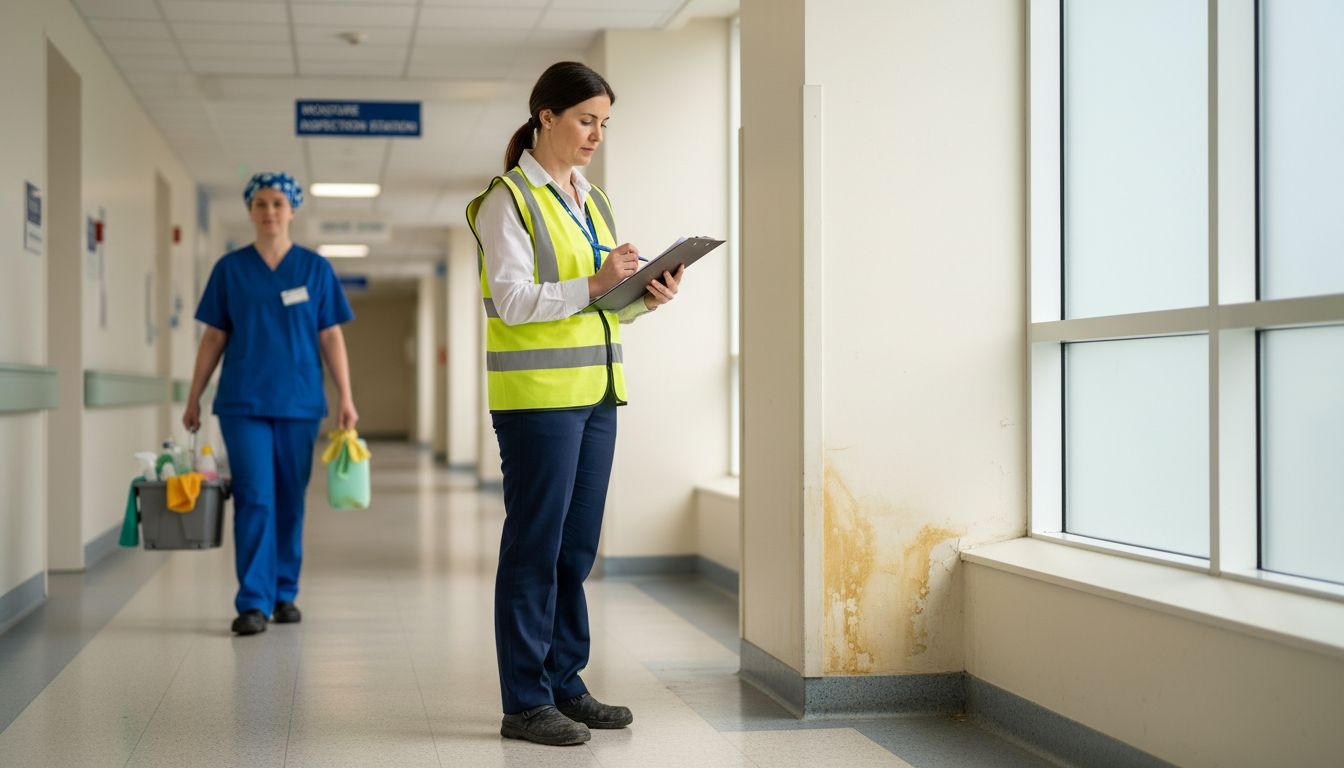
Finding robust waterproof wall panels that stand up to the constant moisture and high hygiene demands of hospitals and commercial kitchens is a real challenge for facility managers across the United Kingdom. Moisture control is crucial because unchecked dampness can quickly lead to contamination and mould growth, risking both compliance and safety. This guide offers clear steps to assess hygiene needs, compare materials, review installation demands, and verify your panels meet UK moisture resistance standards and stringent sector regulations.
Table of Contents
Quick Summary
Key Point | Explanation |
1. Assess moisture and hygiene needs | Identify moisture sources and hygiene risks to determine appropriate wall panel materials for your environment. |
2. Compare material properties and finishes | Evaluate panel durability, water resistance, and antimicrobial features suitable for healthcare or kitchen applications. |
3. Ensure proper installation and maintenance | Quality installation reduces the risk of moisture issues; regular maintenance is essential for long-term panel performance. |
4. Verify compliance with UK regulations | Ensure wall panels meet UK Building Regulations and sector-specific standards to avoid legal and health compliance issues. |
Step 1: Assess hygiene and moisture requirements
Before selecting waterproof wall panels, you need to understand exactly what your space faces. This means identifying moisture sources and hygiene risks that will determine which materials work best for your environment. Facility managers and contractors in healthcare and commercial kitchens know that moisture problems don’t appear overnight, but they escalate fast once they start.
Begin by mapping moisture sources in your space. Water vapour from steam, cleaning procedures, or food preparation creates ongoing moisture challenges. Visible water sources like spillage and condensation also demand consideration. Take time to identify where moisture concentrates most, whether near sinks, on external walls, or around ventilation areas.
Next, evaluate your regulatory requirements. The UK’s moisture resistance standards specify minimum protection levels for buildings to prevent dampness and microbial growth. Healthcare facilities must comply with additional infection control protocols, whilst commercial kitchens face food safety regulations. Your wall panels must meet these standards or exceed them.
Consider hygiene protocols specific to your sector. Healthcare environments require antimicrobial properties and seamless surfaces to prevent bacterial harbouring. Commercial kitchens need surfaces that withstand daily chemical cleaning and high-temperature steam without deteriorating. Understanding moisture control principles helps you select panels that resist both condensation and liquid water exposure effectively.
Document these requirements clearly:
Peak moisture levels expected (percentage and seasonal patterns)
Cleaning chemicals used regularly
Temperature fluctuations in the space
Regulatory compliance standards that apply
Existing moisture or mould issues
This assessment prevents costly panel failures and ensures your investment protects rather than compounds hygiene risks.
Pro tip: Contact your local environmental health department or NHS trust to confirm exact moisture resistance ratings and antimicrobial certifications required before purchasing panels, as standards vary significantly between healthcare, food preparation, and general commercial spaces.
Step 2: Compare material and finish options
Now that you understand your moisture and hygiene demands, you need to evaluate which panel materials and finishes actually deliver. Different materials offer varying levels of durability, water resistance, and antimicrobial protection. The right choice depends on matching material properties to your specific operational environment.
PVC panels dominate healthcare and commercial kitchen applications because they excel at moisture resistance and ease of cleaning. Unlike traditional materials, PVC withstands repeated chemical disinfection and high-temperature steam without warping or degrading. They also resist bacterial colonisation better than porous surfaces, making them superior for infection control.
Compare panels across these practical criteria:
Water absorption rates and whether they swell or degrade when saturated
Chemical resistance to cleaning agents, disinfectants, and food preparation substances
Thermal stability for environments with temperature fluctuations or steam exposure
Seam and joint integrity to prevent moisture ingress at vulnerable connection points
Antimicrobial properties and whether they include surface treatments that inhibit bacterial growth
Finish selection matters equally. Gloss finishes reflect light and display imperfections clearly, making them easier to inspect for contamination. Matt finishes reduce glare but can harbour dirt in textured areas. Antibacterial coatings add extra protection but require verification that they maintain effectiveness through the panel’s lifespan.
Matching material properties directly to your moisture assessment prevents panel failure and regulatory non-compliance down the line.
Available finish options extend beyond basic aesthetics. Some panels include antimicrobial additives within the material itself, whilst others feature applied coatings. Seamless options eliminate grout lines where bacteria thrive, making them preferable for high-risk environments.
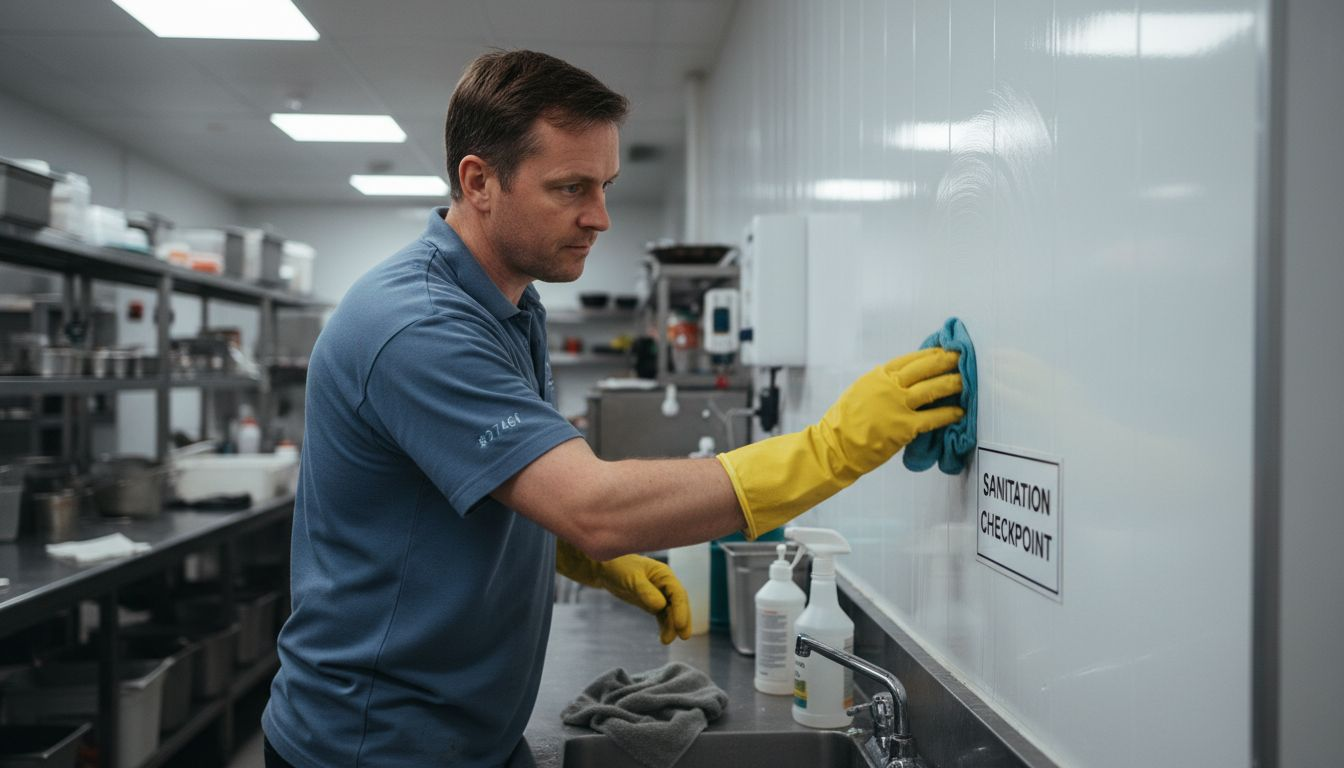
Different sectors prioritise different finishes. Healthcare facilities often select hygienic wall cladding colour options that simplify visual inspection and coordinate with clinical environments. Commercial kitchens may prioritise light-reflective finishes that improve visibility and reduce shadowing where contamination hides.
Here is a comparison of popular wall panel materials for high-hygiene spaces:
Panel Material | Hygiene Performance | Chemical Resistance | Maintenance Difficulty |
PVC | Excellent, non-porous | Outstanding, resists most chemicals | Low, easily cleaned |
Stainless Steel | High, seamless and durable | Very high, resists harsh agents | Moderate, needs polishing |
Painted Plasterboard | Poor, absorbs moisture | Limited, surface can degrade | High, frequent repairs needed |
Fibre Reinforced Plastic | Good, robust and stable | Good, withstands moderate agents | Low, periodic inspection |
Pro tip: Request sample panels for your actual cleaning chemicals and mock them with your standard disinfection protocols before committing to bulk orders, as real-world performance sometimes differs from laboratory specifications.
Step 3: Evaluate installation and maintenance needs
Proper installation and maintenance determine whether your waterproof panels perform as intended or fail prematurely. A panel with excellent properties installed poorly will compromise your hygiene standards and waste your investment. You need to understand both the installation complexity and the long-term maintenance commitment before making your final selection.
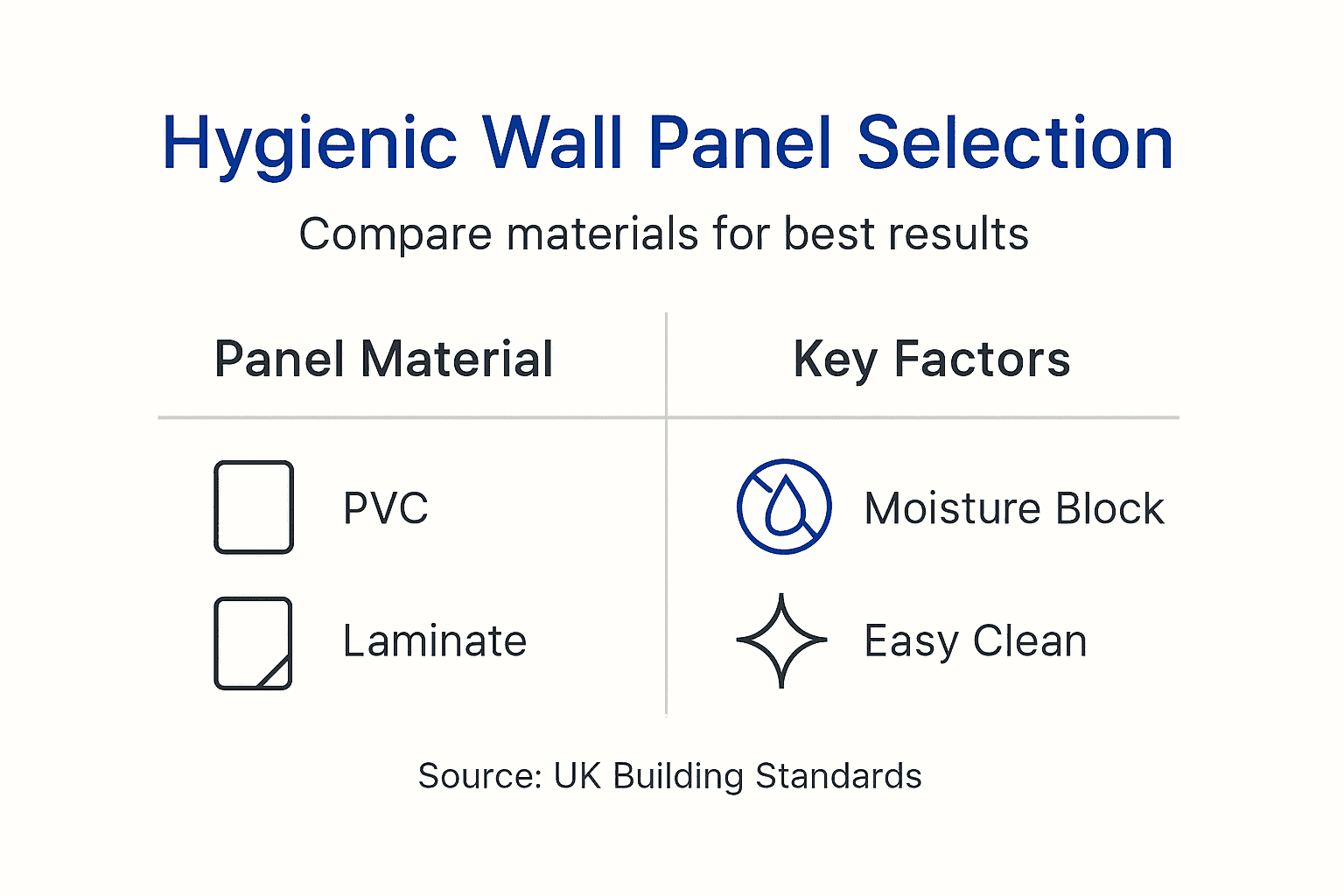
Installation quality directly impacts waterproofing effectiveness. Inadequate sealing at joints, corners, and edges allows moisture to penetrate behind panels where it promotes mould growth and bacterial colonisation. Professional installation ensures that moisture barriers and careful detailing prevent water intrusion effectively. Your contractor must understand hygiene-specific requirements and follow manufacturer protocols precisely.
Evaluate these installation factors:
Time required for installation and whether your facility can tolerate downtime
Specialist skills needed and whether your regular contractors possess them
Surface preparation demands and any existing wall remediation required
Accessibility for installing seals, trims, and corner joints correctly
Post-installation inspection protocols to verify waterproofing integrity
Maintenance demands vary significantly by material and finish. PVC panels require regular cleaning with appropriate chemicals but minimal structural maintenance. However, grout lines and poorly sealed joints demand consistent attention to prevent moisture accumulation. Your team should understand which cleaning products work safely without degrading the panels or their protective coatings.
The easiest panels to maintain are those with seamless construction and gloss finishes that simplify contamination detection and cleaning.
Schedule routine inspections to catch problems early. Waterproofing systems require scheduled maintenance and inspections to maintain integrity and prevent water infiltration over time. Monthly visual checks in high-moisture areas identify seam deterioration, discolouration, or physical damage before they escalate into costly issues.
Document your maintenance plan clearly. Establish cleaning schedules, assign responsibility, and record all maintenance actions. This protects your warranty coverage and demonstrates compliance with hygiene regulations.
Pro tip: Factor installation and maintenance costs into your total cost of ownership calculation, not just the panel purchase price, as cheaper panels requiring specialist installation or frequent maintenance often cost more over five years than premium products requiring minimal upkeep.
Step 4: Verify compliance with UK standards
Your waterproof wall panels must meet UK Building Regulations and sector-specific hygiene standards. Selecting non-compliant panels exposes your organisation to regulatory penalties, failed inspections, and potential health risks. Before purchasing, verify that your chosen panels satisfy all applicable legal requirements.
Start by identifying which regulations apply to your specific environment. Healthcare facilities operate under infection prevention standards and NHS guidance alongside Building Regulations. Commercial kitchens must comply with food safety legislation and environmental health requirements. Both sectors require moisture resistance standards under Approved Document C, which specifies criteria for damp proofing and contamination resistance.
Key compliance areas to verify:
Moisture resistance ratings and whether panels meet damp proof requirements for your wall location
Material safety certifications confirming non-toxicity and suitability for food preparation areas
Antimicrobial performance claims backed by third-party testing rather than manufacturer assertions
Fire performance ratings if applicable to your building classification
Chemical compatibility with disinfectants mandated by your sector’s hygiene protocols
Request technical documentation from manufacturers demonstrating compliance. Look for independent test certificates rather than claims alone. UK standards harmonisation ensures building materials meet integrated moisture risk management criteria that protect hygiene outcomes.
British Standards Institution (BSI) certification provides reassurance. Panels with BS EN certifications have undergone rigorous independent testing. Check whether your panels carry relevant British Standards or equivalent European standards accepted under UK regulations.
This summary highlights key compliance checks for UK wall panel installations:
Compliance Aspect | Why It Matters | Typical Evidence Required |
Moisture Resistance | Prevents damp and mould growth | Laboratory test certificate |
Antimicrobial Certification | Reduces infection risk | Independent third-party report |
Fire Performance Rating | Meets safety regulations | British Standard mark |
Chemical Compatibility | Ensures durability | Compatibility documentation |
Consult with your local environmental health department or NHS trust before finalising your selection. They can confirm whether your chosen panels meet their specific expectations and avoid costly rejections after installation.
Compliance verification takes time upfront but prevents far costlier problems after installation or during regulatory inspections.
Pro tip: Request suppliers to provide a written compliance statement mapping their panels to specific UK Building Regulations and relevant British Standards, then have your environmental health officer or infection control team review it before you commit to procurement.
Ensure Hygienic Excellence with Premium Waterproof Wall Panels
Selecting the right waterproof wall panels for moisture control and hygiene compliance is critical to protect your facility from costly failures and health risks. At https://hygienicsheets.com, we understand the importance of durability, moisture resistance, and seamless installation to meet rigorous UK regulations and infection control standards. Whether you manage a healthcare environment, commercial kitchen, or high-demand washroom, our extensive range of hygienic PVC wall cladding and accessories is designed to combat condensation, chemical exposure, and microbial growth effectively.
Explore our full product range to find the perfect match for your moisture levels, cleaning routines, and hygiene protocols. Benefit from fast UK-wide delivery, competitive pricing, and expert support that ensures your installation and maintenance are straightforward and reliable. Avoid unexpected failures by choosing panels that have been tested and certified for compliance with UK Building Regulations and antimicrobial standards. Get started today by visiting Hygienic Wall Cladding Solutions and secure a cleaner, safer environment for your business.
Frequently Asked Questions
How do I assess the hygiene and moisture requirements for my space?
To assess hygiene and moisture requirements, start by mapping all potential moisture sources in your environment, such as steam and cleaning procedures. Document these moisture levels and consider specific regulations that apply to your sector to determine the best waterproof panel materials for your needs.
What materials should I consider for waterproof wall panels in high-hygiene spaces?
For high-hygiene spaces, PVC panels are a popular choice as they are highly moisture-resistant and easy to clean. Evaluate the durability, chemical resistance, and antimicrobial properties of different materials to select the most suitable option for your facility.
What installation factors should I evaluate before putting up waterproof wall panels?
Consider factors such as the time required for installation, the necessary skills of your contractors, and surface preparation demands. Ensuring professional installation is crucial to maintaining the panels’ waterproof effectiveness and preventing future mould issues.
How can I ensure that my waterproof wall panels comply with UK regulations?
Verify compliance with relevant UK Building Regulations by checking moisture resistance ratings and obtaining third-party certifications confirming the panels’ antimicrobial properties. Request documentation that maps the panels to specific standards to ensure you meet all necessary hygiene regulations.
What maintenance needs should I anticipate for waterproof wall panels?
Anticipate regular cleaning and maintenance based on the material and finish of the panels. Schedule routine inspections and document all maintenance actions to ensure long-term performance and compliance with hygiene standards.
Recommended


Great insights! Choosing the right wall panels makes a big difference in maintaining hygiene and preventing moisture-related issues. It's just as important to stay prepared for unexpected problems like emergency pest control, which can also impact health and safety in commercial environments.