

Waterproof Wall Cladding: Enhancing Hygiene in UK Healthcare
Updated: Feb 26
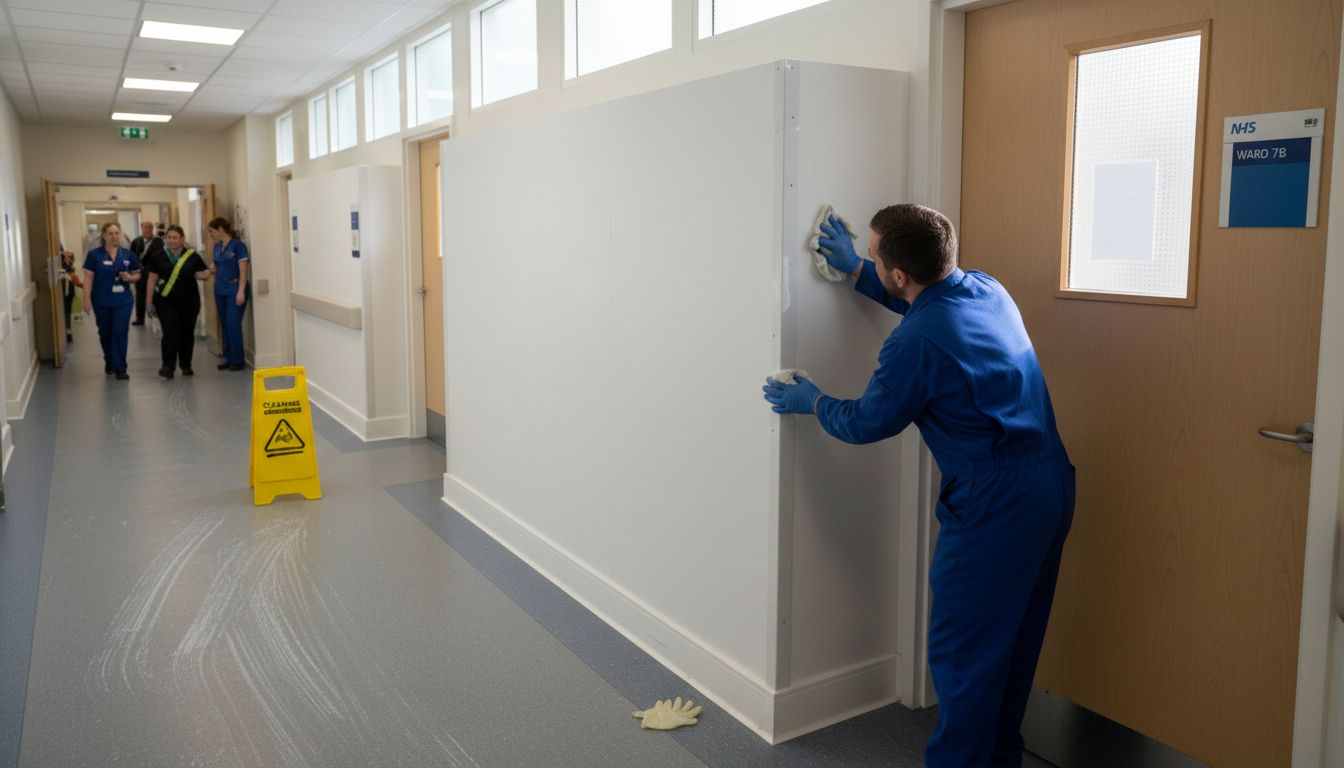
Why Waterproof Wall Cladding Is Essential for Hygiene in UK Healthcare
Keeping patient areas clean is a constant challenge for facility managers in British healthcare environments. Every day brings heavy use, aggressive disinfectants, and strict hygiene standards that push ordinary wall finishes to their limit. That is why waterproof wall cladding stands out as a vital defence against contamination and moisture, ensuring your interiors support infection control and last far longer than traditional surfaces. This guide explains what defines true healthcare-grade cladding and how to select the best options for robust and compliant patient care spaces.
Table of Contents
Defining Waterproof Wall Cladding In Healthcare
Types Of Waterproof Cladding Materials Used
Key Hygiene And Moisture-Resistant Features
Installation, Maintenance, And Cleaning Requirements
Legal Standards And Common Mistakes To Avoid
Key Takeaways
Point | Details |
Importance of Waterproof Wall Cladding | Waterproof wall cladding is essential for patient safety and hygiene in healthcare environments, effectively preventing moisture and microbial growth. |
Material Selection Impact | Choosing the right cladding material directly affects durability and maintenance, helping to control infection and reduce costs over time. |
Critical Installation Practices | Proper installation is vital; inadequate preparation or sealing can lead to water ingress and costly remediation. |
Regulatory Compliance Necessity | Healthcare wall cladding must meet stringent regulations to ensure safety and effective infection control, requiring verification of materials against current standards. |
Defining Waterproof Wall Cladding in Healthcare
Waterproof wall cladding in healthcare isn’t just another building material. It’s a critical system that protects patient safety whilst maintaining the hygienic standards required in modern medical facilities.
At its core, waterproof wall cladding creates a seamless barrier against moisture and contamination, preventing liquids from seeping into walls and causing structural damage or microbial growth. Unlike traditional paint or wallpaper, this cladding forms an impenetrable protective surface that keeps moisture completely outside wall cavities.
What Sets Healthcare Cladding Apart
Not all wall cladding works for healthcare environments. The material must satisfy specific requirements:
Durability under constant, rigorous cleaning protocols
Seamless installation to eliminate harbouring spots for bacteria
Chemical resistance to disinfectants and cleaning solutions
Easy maintenance without compromising surface integrity
Hygiene compliance meeting NHS and healthcare facility standards
When healthcare wall cladding is properly specified, wall coverings must meet durability and hygiene requirements whilst supporting breathability to prevent trapped moisture that encourages microbial growth.
You might think standard wall protection would suffice, but patient areas demand something far more robust. Corridors, bathrooms, changing areas, and clinical spaces experience daily exposure to moisture, disinfectants, and potential contamination that would destroy conventional finishes within months.
The Hygiene Advantage
Waterproof wall cladding transforms infection control from challenging to manageable. The material eliminates joints and seams where bacteria could hide, creating surfaces that can be thoroughly cleaned without degradation.
Seamless cladding prevents microbial harbouring by eliminating hidden corners and crevices where pathogens thrive.
Understanding hygienic wall cladding options for healthcare helps you select systems that actually perform in real clinical environments rather than theoretical specifications.
In practice, facility managers report that proper waterproof cladding reduces maintenance costs whilst improving patient outcomes through superior infection control. The investment in quality material pays dividends through extended service life and reduced replacement cycles.
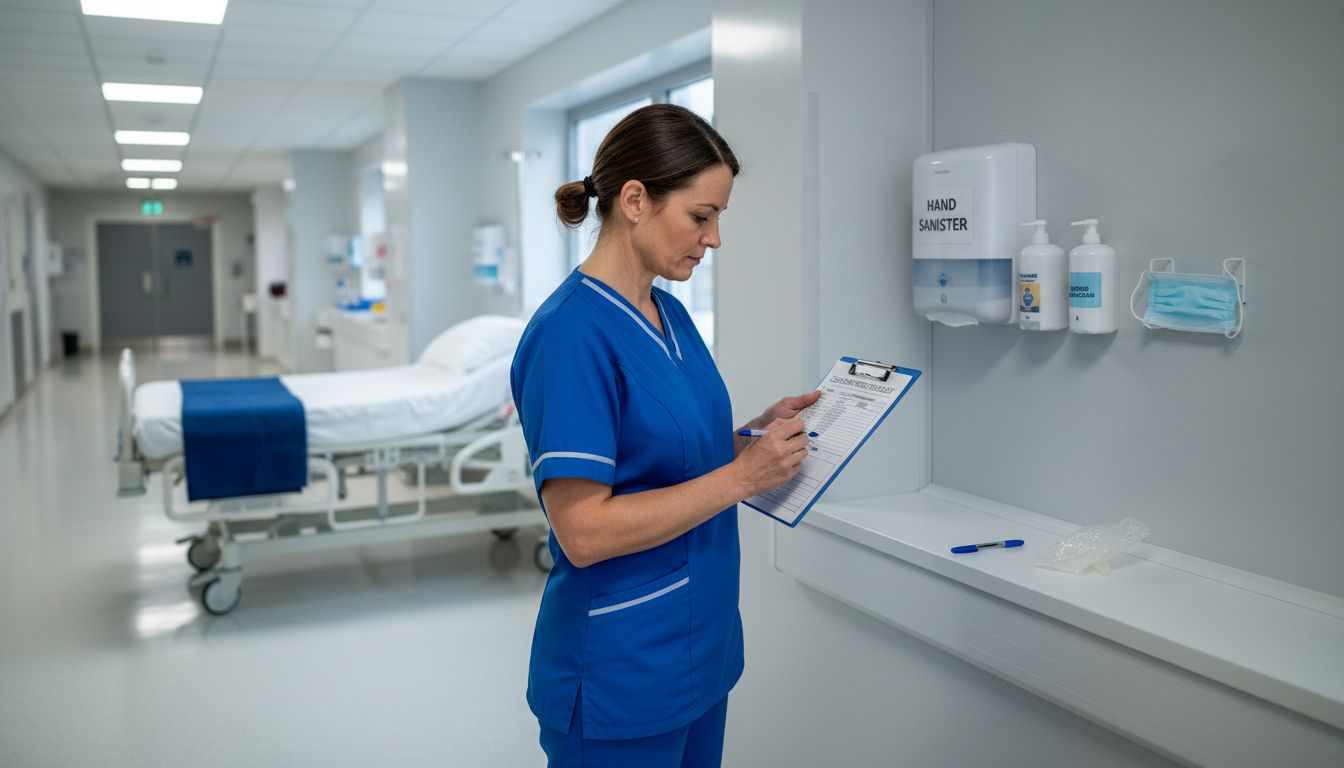
Pro tip: When specifying waterproof cladding, request material samples exposed to your facility’s actual disinfectant protocols—testing real-world conditions reveals performance issues that standard data sheets never show.
Types of Waterproof Cladding Materials Used
Not all cladding materials perform equally in healthcare settings. The material you select directly affects durability, maintenance demands, and infection control capabilities across your facility.
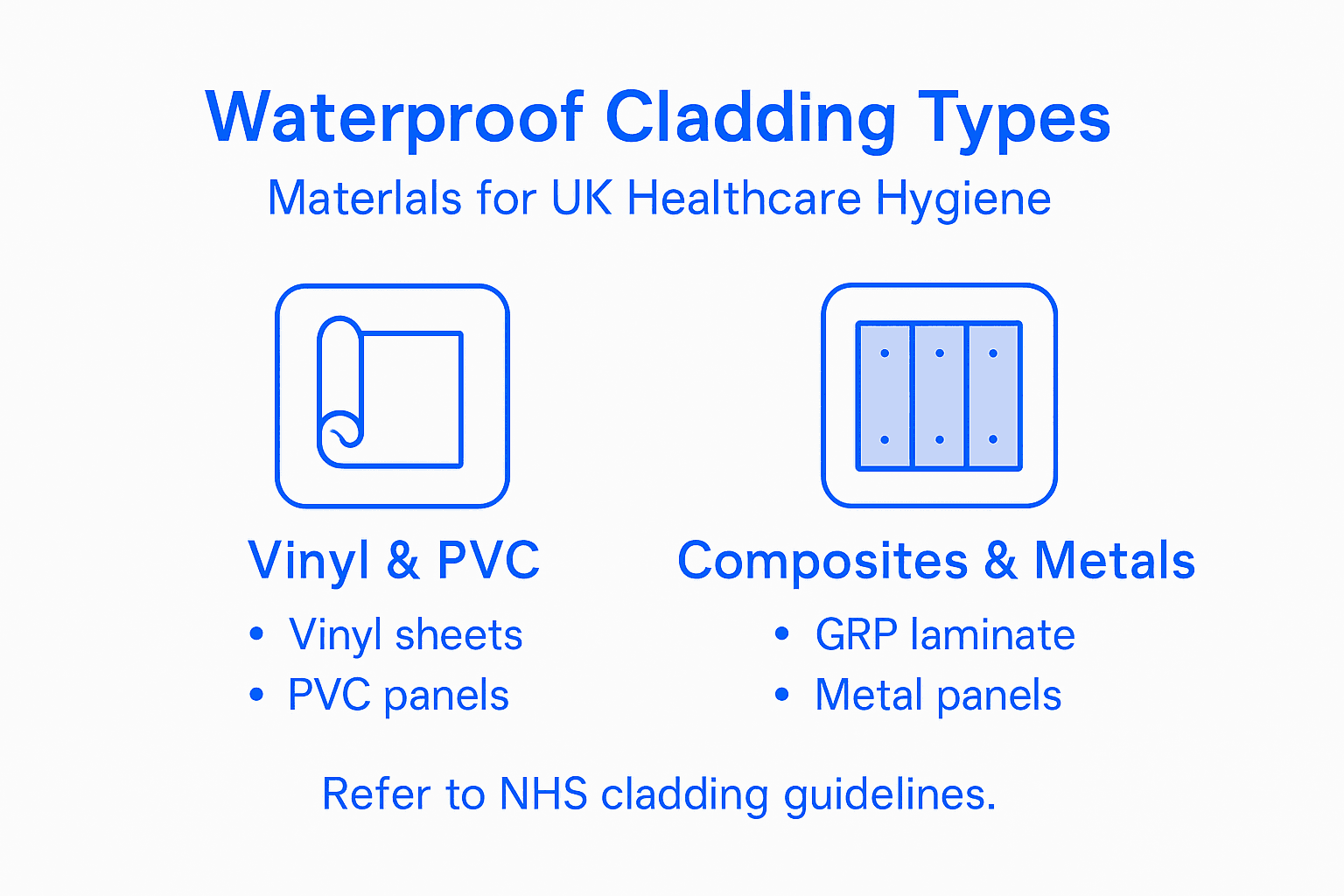
Healthcare facilities rely on several proven material types, each with distinct advantages. Understanding which material suits your specific areas ensures optimal performance and longevity.
Primary Material Options
The most reliable waterproof cladding materials in UK healthcare environments include:
PVC (polyvinyl chloride) – seamless, highly moisture-resistant, chemical tolerant, easiest to clean
Fibre cement – durable, fire-resistant, moisture-stable, excellent longevity
Aluminium – lightweight, corrosion-resistant, strong structural performance
Pre-galvanised steel – robust, cost-effective, resistant to rust and chemical exposure
Composite materials – combine multiple material benefits for specialised applications
When selecting materials, waterproof cladding options range from lightweight vinyl to durable composites, each chosen for moisture resistance and ease of installation in demanding healthcare environments.
Here is a comparison of common waterproof cladding materials and their suitability for different healthcare areas:
Material Type | Ideal Facility Locations | Main Strength |
PVC Panels | Bathrooms, Changing Rooms | Highest moisture defence |
Fibre Cement | Operating Theatres, Corridors | Fire and impact-resistant |
Aluminium Sheets | Kitchens, Service Areas | Lightweight, hygienic |
Galvanised Steel | Plant Rooms, Back-of-house | Cost-effective, robust |
Composites | Isolation, Specialist Spaces | Tailored performance |
Why Material Selection Matters
Different areas within your facility have different demands. Operating theatres, bathrooms, and kitchen areas require different protection levels than standard corridors.
Material choice determines how effectively surfaces resist constant chemical assault from disinfectants. Poor material selection forces premature replacement cycles and increased downtime.
The right material selection reduces maintenance costs whilst ensuring surfaces withstand years of rigorous cleaning protocols without degradation.
Performance Characteristics
Healthcare cladding must balance multiple requirements simultaneously. Moisture resistance alone isn’t sufficient—materials must also resist chemical attack, support easy installation, and maintain appearance over extended periods.
Single-skin metal panels offer particular advantages because they require minimal maintenance whilst providing reliable water shedding. Modern cladding systems incorporate waterproof barriers) that direct moisture safely away from structural elements, protecting building integrity.
Facility managers increasingly specify 7 types of wall cladding suitable for healthcare based on specific area requirements rather than applying one standard throughout.
Your choice affects staff workload significantly. Materials requiring specialist cleaning products demand extra training and increased labour costs. Conversely, chemically-resistant materials tolerate standard NHS-approved disinfectants without surface degradation.
Pro tip: Request independent moisture penetration testing certificates for any cladding material before specification—theoretical performance data often diverges from real-world NHS disinfectant protocols and humidity cycles.
Key Hygiene and Moisture-Resistant Features
The most effective waterproof cladding combines multiple protective layers working together. Understanding these features helps you specify systems that genuinely perform in demanding healthcare environments.
Quality waterproof cladding isn’t just about blocking water. It actively resists microbial growth, tolerates aggressive disinfection, and maintains structural integrity under continuous moisture exposure.
Essential Protective Layers
Professional waterproof cladding systems incorporate several critical components:
Antimicrobial surface treatment – inhibits bacteria, mould, and mildew growth on the face
Seamless joints and edges – eliminates harbouring sites where pathogens hide
Moisture-resistant core – prevents liquid penetration into substrate materials
Vapour management – allows controlled moisture release to prevent condensation trapping
Chemical-resistant facing – withstands repeated disinfectant exposure without degradation
Moisture-resistant panels engineered with antimicrobial properties provide long-lasting barriers that prevent structural deterioration whilst supporting infection control objectives across clinical areas.
Moisture Control Strategy
Moisture doesn’t just sit on surfaces—it travels through materials and accumulates in hidden spaces. Proper cladding systems manage moisture at every stage of its journey.
Water-resistive barriers act as critical second-line defence against moisture penetration, with membrane selection ensuring effective liquid water resistance whilst managing vapour permeability for optimal indoor air quality.
Healthcare facilities experience extreme moisture challenges. Bathrooms generate constant steam. Cleaning protocols introduce water directly onto surfaces. Quality cladding handles both situations without allowing moisture to accumulate behind the surface.
Hygiene Performance Under Real Conditions
Theoretical specifications rarely match actual healthcare conditions. Your cladding faces daily chemical assault from disinfectants, bleach solutions, and antibacterial sprays that degrade inferior materials within months.
Seamless cladding with integrated antimicrobial properties eliminates the dual risk of moisture harbouring and microbial growth simultaneously.
Facility managers increasingly prioritise key hygienic cladding features that demonstrate proven performance under real NHS disinfectant protocols rather than laboratory conditions.
The difference between adequate and excellent cladding shows up in maintenance records. Properly specified systems require only standard cleaning protocols. Poor selections demand specialist treatments, additional staff time, and premature replacement cycles.
Pro tip: Request hygiene validation certificates demonstrating your chosen cladding’s performance against specific NHS-approved disinfectants used in your facility—laboratory testing against generic cleaning agents often misses real-world chemical compatibility issues.
Installation, Maintenance, and Cleaning Requirements
Proper installation and ongoing maintenance determine whether your waterproof cladding delivers on its hygiene promise. Poor execution undermines even the best material specifications.
Healthcare facilities cannot afford installation mistakes. A cladding system installed incorrectly allows water ingress that defeats the entire waterproofing purpose within months, requiring costly remediation and potential downtime.
Installation Best Practices
Correct installation requires attention to several critical elements:
Surface preparation – walls must be clean, dry, and structurally sound before installation begins
Seamless joint application – all joints must be sealed with approved adhesives and profiles
Proper fastening – fixings must be spaced correctly and sealed to prevent water entry
Substrate protection – underlying walls require moisture barrier application before cladding attachment
Quality control checks – each section must be inspected before final sign-off
Following hygienic cladding installation requirements ensures your system achieves designed performance from day one rather than developing problems during the first year of operation.
Maintenance Protocols
Waterproof cladding requires minimal maintenance compared to traditional wall finishes, but neglect creates problems rapidly. Regular inspections catch small issues before they become expensive repairs.
Healthcare facilities should establish monthly inspection schedules focusing on joint integrity, seal condition, and any visible moisture staining or discolouration. Early detection prevents water ingress that damages underlying structures.
Scheduled preventative maintenance costs significantly less than emergency repairs resulting from ignored deterioration.
Unlike painted surfaces that degrade predictably, cladding failures often appear suddenly when water finally penetrates failing seals. Proactive inspection prevents emergency situations.
The following table summarises key installation and maintenance priorities for long-lasting waterproof cladding:
Aspect | Best Practice | Risk if Neglected |
Joint Sealing | Use proprietary adhesives and trims | Water ingress, decay |
Surface Preparation | Clean, dry substrate mandatory | Adhesion failure |
Monthly Inspections | Check seams and fixings regularly | Hidden structural damage |
Cleaning Technique | Soft tools, lukewarm water preferred | Joint failure, staining |
Cleaning Without Damage
Your cladding tolerates aggressive cleaning, but technique matters. Incorrect methods can damage seals or force water into joints.
Standard NHS-approved disinfectants work perfectly on quality cladding surfaces. Apply cleaners with soft-bristled brushes or microfibre cloths rather than high-pressure washers that force water into joints.
For routine daily cleaning, warm water and standard detergent suffice. Reserve stronger disinfectants for areas requiring enhanced microbial control—operating theatres, isolation rooms, and high-touch zones.
Never apply cleaners to joints or allow liquid to pool along seams. Cladding itself resists moisture, but joints require protection. Allow surfaces to dry naturally after cleaning rather than forcing air or heat that might drive moisture into seals.
Pro tip: Train your cleaning staff that waterproof cladding requires different techniques than painted walls—institute quarterly refresher sessions demonstrating correct cleaning methods and joint protection protocols specific to your facility’s cladding type.
Legal Standards and Common Mistakes to Avoid
UK healthcare facilities operate within a strict regulatory framework. Selecting waterproof cladding without understanding these standards leaves your facility exposed to compliance violations and safety risks.
Negligence around wall protection standards costs facilities far more than investing in compliant systems from the start. Poor decisions lead to failed inspections, remediation work, and potential patient safety incidents.
Key Regulatory Standards
Healthcare wall cladding must meet several mandatory requirements:
BS 8300-2:2018 – inclusive design standards for accessible healthcare environments
HTM 63 & 66 – NHS estate guidance specifying healthcare infrastructure requirements
Fire resistance ratings – materials must achieve appropriate classifications for your facility type
Antimicrobial certification – surfaces must inhibit microbial growth verifiably
Impact resistance – walls require protection from equipment, trolleys, and regular impact
Durable, impact-resistant materials must comply with standards such as BS 8300-2:2018 and HTM regulations, with appropriate fire ratings and antimicrobial finishes specified for healthcare environments.
Common Installation Mistakes
Facility managers repeatedly make decisions that create expensive problems:
Specifying materials without verifying fire ratings for your facility classification
Installing cladding without proper substrate preparation or moisture barriers
Using inadequate fixing methods that compromise structural integrity
Failing to specify antimicrobial finishes in clinical areas
Neglecting joint sealing requirements that undermine waterproofing entirely
Healthcare wall materials must prevent microbial growth and allow easy cleaning whilst meeting infection control and fire resistance standards to avoid costly remediation.
Infection Control Compliance
The most dangerous mistake involves installing cladding that doesn’t meet infection control standards. Water-damaged materials create microbial harbouring sites that undermine your entire hygiene programme.
Moisture-vulnerable materials lead to costly remediation and genuine health risks when they fail in clinical environments.
Never compromise on material selection based purely on cost. Cheaper cladding that fails within five years costs substantially more over facility lifetime compared with properly specified systems lasting fifteen years or longer.
Verify that your chosen material holds current certification against NHS standards before ordering. Certifications change, and outdated products may not meet current requirements despite previous compliance status.
Pro tip: Before finalising any cladding specification, request written confirmation from your supplier that the product holds current BS 8300-2:2018 and HTM compliance certification—don’t rely on verbal assurance or outdated product documentation.
Elevate Healthcare Hygiene with Trusted Waterproof Wall Cladding Solutions
Maintaining impeccable hygiene and moisture resistance in UK healthcare facilities demands wall cladding that delivers durability, seamless installation, and chemical resistance as highlighted in the article. Key challenges such as preventing microbial harbouring and withstanding rigorous NHS disinfectant protocols require specialised materials like high-quality PVC panels and antimicrobial finishes. This ensures long-term protection against moisture damage and costly maintenance failures.
At Hygienic Sheets, we understand these critical needs and provide a comprehensive range of hygienic PVC wall cladding and accessories designed specifically for healthcare environments. Our products offer:
Seamless joints to eliminate bacteria harbouring spots
Chemical-resistant surfaces approved for NHS cleaning standards
Fast nationwide delivery for both small and large projects
Explore our trusted waterproof wall cladding solutions today to safeguard your facility’s hygiene and structural integrity. Take the first step by visiting our website and discover how our expert products and support can help you meet stringent healthcare standards effortlessly. Don’t wait for costly repairs - act now to protect your environment with professional-grade cladding from Hygienic Sheets.
Frequently Asked Questions
What is waterproof wall cladding in healthcare?
Waterproof wall cladding in healthcare is a material system designed to create a seamless barrier against moisture and contamination, crucial for maintaining hygiene and preventing microbial growth in medical facilities.
What are the key benefits of using waterproof wall cladding in healthcare settings?
The key benefits include enhanced durability against cleaning protocols, seamless installation to eliminate bacteria harbouring spots, chemical resistance to disinfectants, easy maintenance, and compliance with hygiene standards.
How do I choose the right material for waterproof wall cladding in healthcare?
Selecting the right material involves considering the specific environment, such as bathrooms or operating theatres, as well as the material’s moisture resistance, durability, chemical resistance, and ease of installation and maintenance.
What maintenance is required for waterproof wall cladding in healthcare facilities?
Maintenance includes regular inspections for joint integrity, scheduled cleaning with appropriate disinfectants, and ensuring that the surfaces remain free from moisture that could lead to microbial growth.
Recommended
Comments