

Why Choose PVC Wall Panels for Hygiene-Sensitive Settings
Updated: Feb 23
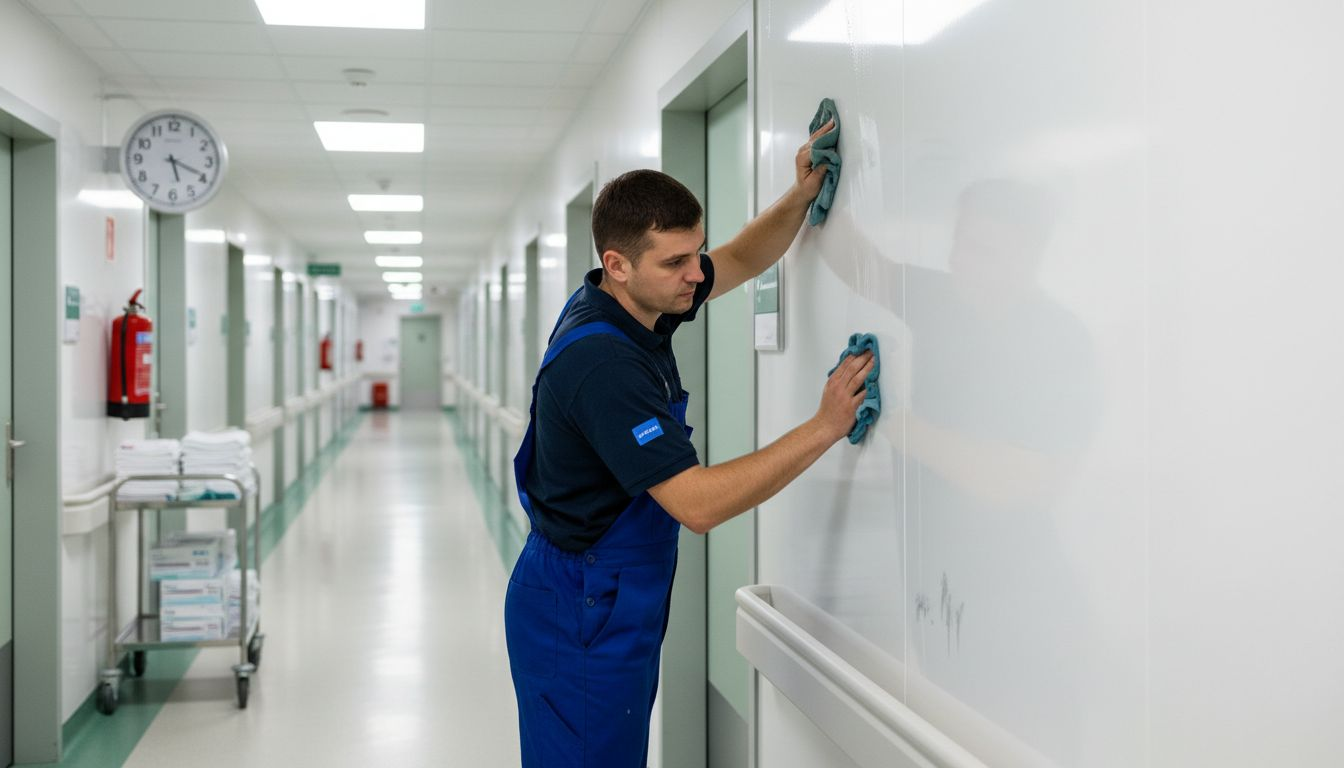
Why PVC Wall Panels Are the Smart Choice for Clean Environments
Every facility manager in United Kingdom healthcare or food service faces the challenge of keeping walls spotless and resilient through constant cleaning. Choosing the right wall system is crucial when infection control and moisture damage could disrupt operations or invite costly inspections. This guide clarifies common misconceptions around modern PVC wall panels for hygiene-sensitive spaces, revealing how these durable solutions provide reliable cleanliness, safety, and compliance for busy British environments.
Table of Contents
PVC Wall Panels – Definition And Misconceptions
Key Types And Finishes For Commercial Use
Hygienic Features And Durability Explained
Regulatory Compliance And Industry Standards
Costs, Installation, And Comparison With Alternatives
Key Takeaways
Point | Details |
Durability and Lifespan | PVC wall panels can last over 20 years with minimal maintenance, making them cost-effective compared to traditional wall finishes. |
Hygienic Properties | Designed for hygiene-sensitive environments, PVC panels offer non-porous surfaces that resist bacteria and mould growth. |
Compliance Standards | Selection should focus on panels that meet strict regulatory standards for cleanliness and safety in healthcare and food service settings. |
Installation Efficiency | Professional installation of PVC panels can be completed in days, minimising disruption to facility operations compared to other materials. |
PVC wall panels – Definition and misconceptions
PVC wall panels are rigid plastic sheets made from polyvinyl chloride, a versatile thermoplastic polymer. These panels serve as protective wall coverings in settings where hygiene, durability, and moisture resistance matter most. Unlike paint or wallpaper, PVC cladding creates a seamless, wipeable surface that withstands frequent cleaning and harsh sanitising agents.
Facility managers often encounter misconceptions about PVC that simply don’t hold water. The most persistent myth? That PVC is inherently unsafe or bad for your building environment. Modern PVC products for hygienic settings are engineered specifically for healthcare, food service, and wet environments, meeting strict safety standards.
What PVC wall panels actually are
PVC panels consist of rigid plastic sheets designed to be installed over existing walls. They come in various thicknesses, finishes, and colours to suit your specific application. The material itself offers exceptional moisture resistance, which is why healthcare facilities and food preparation areas depend on them.
These panels aren’t just protective coverings. They form a complete system including trims, corner joints, and specialised profiles that create hygienic joints and prevent bacterial accumulation in seams.
Common misconceptions debunked
Several myths circulate about PVC in professional settings. Here’s what actually matters:
Environmental impact: Modern PVC products now incorporate recycled materials and support recycling programmes, significantly reducing environmental footprint compared to older alternatives
Safety concerns: PVC wall panels designed for hygienic applications don’t off-gas harmful compounds at normal room temperatures and pressures
Durability claims: These panels last 20+ years with minimal maintenance, far outlasting traditional wall finishes in wet, high-traffic environments
Cost misconceptions: While initial investment is higher than paint, the dramatically reduced maintenance costs and longer lifespan make them more economical over time
Installation difficulty: Professional installation takes days, not weeks, with minimal disruption to facility operations
Modern PVC panels for hygiene-sensitive settings are specifically engineered to meet strict safety and performance standards, not generic plastic products.
The key distinction facility managers need to understand is that PVC wall cladding designed specifically for hygienic settings differs significantly from lower-grade PVC used in other industries. Healthcare and food service panels undergo rigorous testing for chemical resistance, bacterial inhibition, and structural integrity.
When evaluating options for your facility, focus on panels specifically manufactured for your sector. These have been tested against the cleaning protocols and environment you’ll actually use them in. That’s where the real value lies, not in generic PVC myths circulating online.
Pro tip: Request technical documentation and British Standards compliance certifications when comparing panel suppliers, ensuring your chosen product meets specific requirements for your facility type and cleaning chemicals.
Key types and finishes for commercial use
PVC wall panels come in two primary types, each serving different commercial needs. Your choice depends on your facility’s specific environment, aesthetic goals, and structural requirements. Understanding these differences helps you select the right solution for healthcare, food service, or laboratory settings.
Rigid versus flexible panels
Rigid PVC panels deliver superior strength and corrosion resistance, making them the go-to choice for harsh commercial environments. They maintain a smooth, uniform finish that resists damage from impact and chemical exposure. Laboratories, bathrooms, and food preparation areas benefit most from this durability.
Flexible PVC panels offer better adaptability for curved walls and complex architectural features. They still maintain excellent moisture resistance whilst allowing design flexibility you won’t get with rigid options. These work well in facilities with non-standard wall shapes or where aesthetic customisation matters.
The right panel type depends on your facility’s environment—rigid for maximum durability in harsh conditions, flexible for design adaptability and curves.
Thickness options for different applications
PVC panels come in thicknesses ranging from 4mm to 10mm, with each offering distinct advantages.
4mm panels: Lightweight, cost-effective, suitable for low-impact areas like office spaces within healthcare facilities
6mm panels: The most versatile standard, balancing durability with ease of installation across most commercial applications
8mm to 10mm panels: Heavy-duty options for high-traffic zones, kitchens, and areas requiring maximum impact resistance
Thicker panels cost more upfront but last longer in demanding environments. Your facility’s traffic patterns and cleaning intensity should guide this decision.
Finish options for commercial spaces
Finishes dramatically affect both appearance and functionality. Available options include:
Solid colours: Clean, clinical look ideal for healthcare and food service; easy to maintain and coordinate with branding
Gloss finishes: Reflective surface enhances light, easier to clean, best for clinical settings requiring maximum hygiene visibility
Matte finishes: Professional appearance that hides fingerprints better, suits more traditional commercial aesthetics
Wood grain effects: Warmer aesthetic for reception areas or patient-facing spaces without sacrificing durability
Marble effects: Upscale appearance suitable for facilities wanting hygiene without appearing purely clinical
Clinical environments often prefer solid colours or gloss finishes because they’re easiest to inspect for contamination and clean thoroughly. Food service facilities frequently choose matte or glossy solids for practical maintenance.
Here is a quick reference table to help match PVC panel types and finishes to their optimal use-case environments:
Panel Type/Finish | Best for | Main Advantage |
Rigid gloss panels | Clinical/lab environments | Maximum hygiene, easy clean |
Flexible matte panels | Reception, curved walls | Design versatility |
8–10mm thickness | Kitchens, high traffic | Superior impact resistance |
Wood grain effect | Patient areas, waiting rooms | Warmer appearance |
Pro tip: Select gloss or semi-gloss finishes in high-traffic areas where you need to spot contamination immediately, and pair them with light colours to make any soiling visible before it becomes a hygiene issue.
Hygienic features and durability explained
PVC wall panels excel in hygiene-sensitive settings because they combine features specifically designed for cleanliness with exceptional durability. Your facility’s daily cleaning protocols and long-term maintenance demands are where these panels truly prove their value.
Non-porous surfaces stop bacterial growth
Non-porous PVC surfaces resist bacteria and mould growth by eliminating the microscopic cavities where contaminants hide. Unlike porous materials such as plasterboard or tile grout, PVC panels offer nowhere for pathogens to colonise.
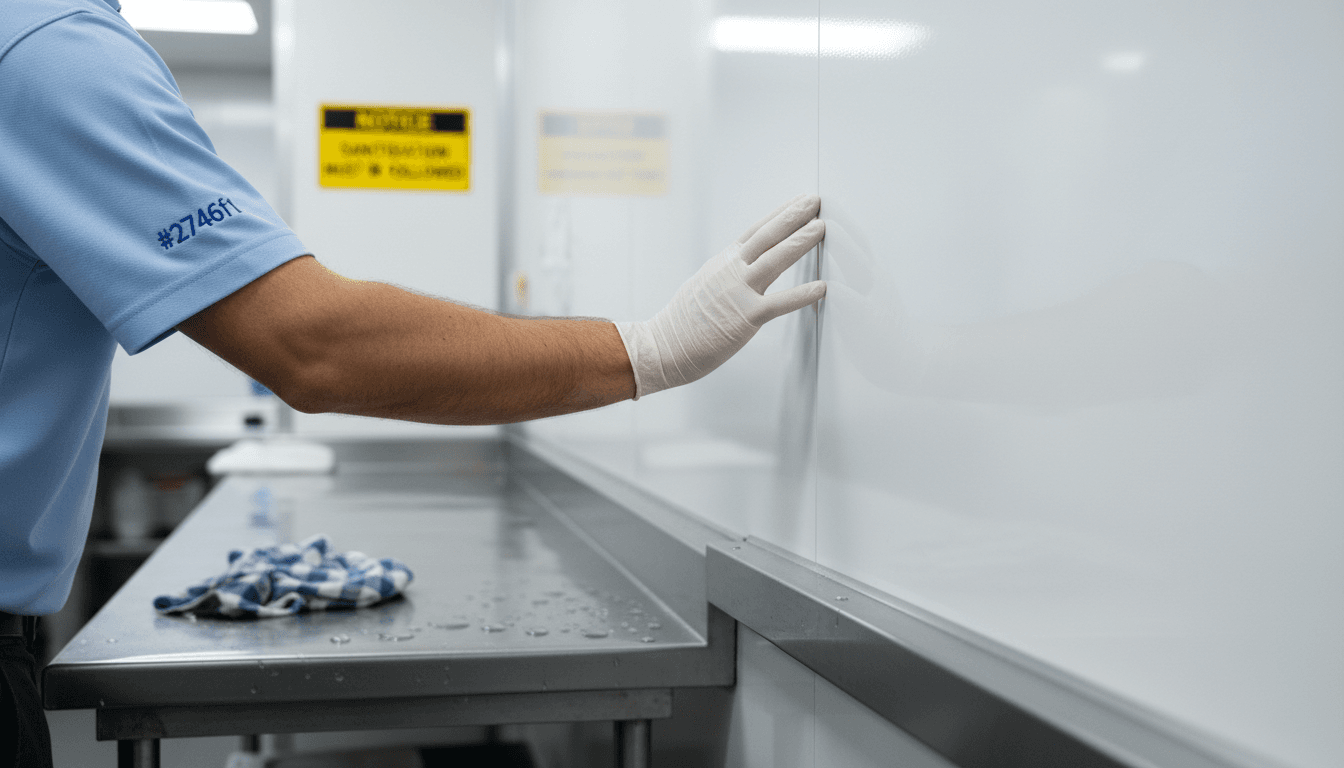
This design fundamentally changes your cleaning effectiveness. Standard disinfectants penetrate porous surfaces inconsistently, leaving protected bacteria behind. With PVC, your cleaning solutions contact the entire surface uniformly, delivering reliable sanitisation across every square centimetre.
Antimicrobial protection built in
Some advanced PVC panels now include antimicrobial technology embedded throughout the material itself. This isn’t just a surface treatment that wears away.
These panels actively reduce bacteria, mould, and fungi growth throughout their entire lifespan. Even when scratched or abraded during cleaning or equipment movement, the antimicrobial protection continues working. This matters in high-traffic healthcare corridors or busy food preparation areas where wall contact happens constantly.
Antimicrobial PVC panels provide continuous hygienic protection that survives normal wear and tear, not just pristine conditions.
Chemical resistance and cleaning demands
Your facility uses strong disinfectants for good reason. PVC panels withstand frequent cleaning with harsh chemicals without degradation or discolouration.
Key durability features include:
Impact resistance: Withstands trolleys, equipment, and accidental impacts without cracking or chipping
Chemical tolerance: Resists bleach, quaternary ammonium compounds, and phenolic disinfectants without surface damage
Moisture resistance: Prevents mould and mildew growth even in bathrooms, kitchens, and sterilisation areas
Long-term stability: Maintains appearance and function for 20+ years with routine maintenance
This durability matters financially. Replacing damaged walls costs far more than installing PVC panels correctly from the start.
Why this matters for your facility
Healthcare environments require sterile walls that survive aggressive cleaning. Food service areas demand surfaces that don’t harbour pathogens between sanitisation cycles. Laboratories need chemical resistance that protects both the panels and your research environment.
PVC panels deliver all three simultaneously, which is why they’re the standard choice across these sectors.
Pro tip: Test your chosen disinfectant on a sample panel before full installation to confirm compatibility, even though PVC generally resists all standard hospital and food-service cleaning chemicals.
Regulatory compliance and industry standards
Regulatory bodies worldwide have established strict standards for wall materials in hygiene-sensitive environments. Your facility’s compliance depends on selecting PVC panels that meet these requirements, not just any plastic product.
International standards that govern PVC panels
Cleanroom and healthcare environments operate under rigorous regulatory frameworks. PVC panels must meet strict standards such as ISO 14644 and FDA Good Manufacturing Practices for hygiene and biocompatibility.
These standards aren’t optional recommendations. Regulatory inspections verify compliance, and failures can shut down operations or invalidate product certifications. Your panel supplier should provide documentation proving adherence to these standards.
Why standards matter for your facility
ISO 14644 sets cleanliness classifications for controlled environments. Hospitals, pharmaceutical manufacturers, and food processors all reference these standards to maintain required air quality and contamination control.
FDA Good Manufacturing Practices specifically govern pharmaceutical and medical device production. Walls in these spaces must demonstrate biocompatibility and resist microbial growth reliably.
These regulations exist because wall contamination directly affects product safety and patient outcomes.
What compliance actually means
Compliant PVC panels exhibit specific measurable properties:
Microbial resistance: Demonstrated laboratory testing showing bacterial and fungal inhibition
Easy cleaning: Surfaces allow complete disinfectant contact without harbouring bacteria in cavities
Chemical exposure: Proven stability against required cleaning agents and sterilisation compounds
Documentation: Full traceability and testing reports available for regulatory audits
Your facility manager should request these documents before purchasing. Non-compliant panels create audit failures and potential safety risks.
Compliance documentation isn’t paperwork—it’s proof your walls meet safety requirements that protect both staff and end-users.
UK and European considerations
UK healthcare facilities must comply with Health Building Note guidance and British Standards for clinical environments. European facilities face CE marking requirements and harmonised standards across member states.
When selecting panels, confirm they’re certified for your specific region and sector type. A panel compliant for food service may not meet pharmaceutical manufacturing standards, even though both use PVC.
The table below provides a summary of key regulatory standards relevant for PVC wall panels in hygiene-sensitive environments:
Standard/Regulation | Region | Key Focus | Example Application |
ISO 14644 | International | Cleanroom air cleanliness | Hospitals, pharma production |
FDA GMP | United States | Good manufacturing practices | Medical device manufacturing |
British Standards (HBN) | United Kingdom | Clinical environment compliance | NHS healthcare facilities |
CE Marking | Europe | Harmonised product standards | EU food and pharma |
Verification during procurement
Before committing to panels, request:
ISO and regulatory certification documents
Laboratory test reports for antimicrobial properties
Chemical compatibility data for your specific disinfectants
Installation guidance confirming compliance maintenance
Reputable suppliers like those specialising in healthcare environments maintain these documents as standard practice and provide them readily.
Pro tip: Request third-party test certificates rather than manufacturer claims alone—independent laboratory verification proves compliance credibility during regulatory audits and inspections.
Costs, installation, and comparison with alternatives
PVC wall panels require upfront investment, but the long-term financial picture tells a different story than cheaper alternatives. Facility managers need to understand both initial costs and lifecycle expenses when making this decision.
Initial investment versus long-term value
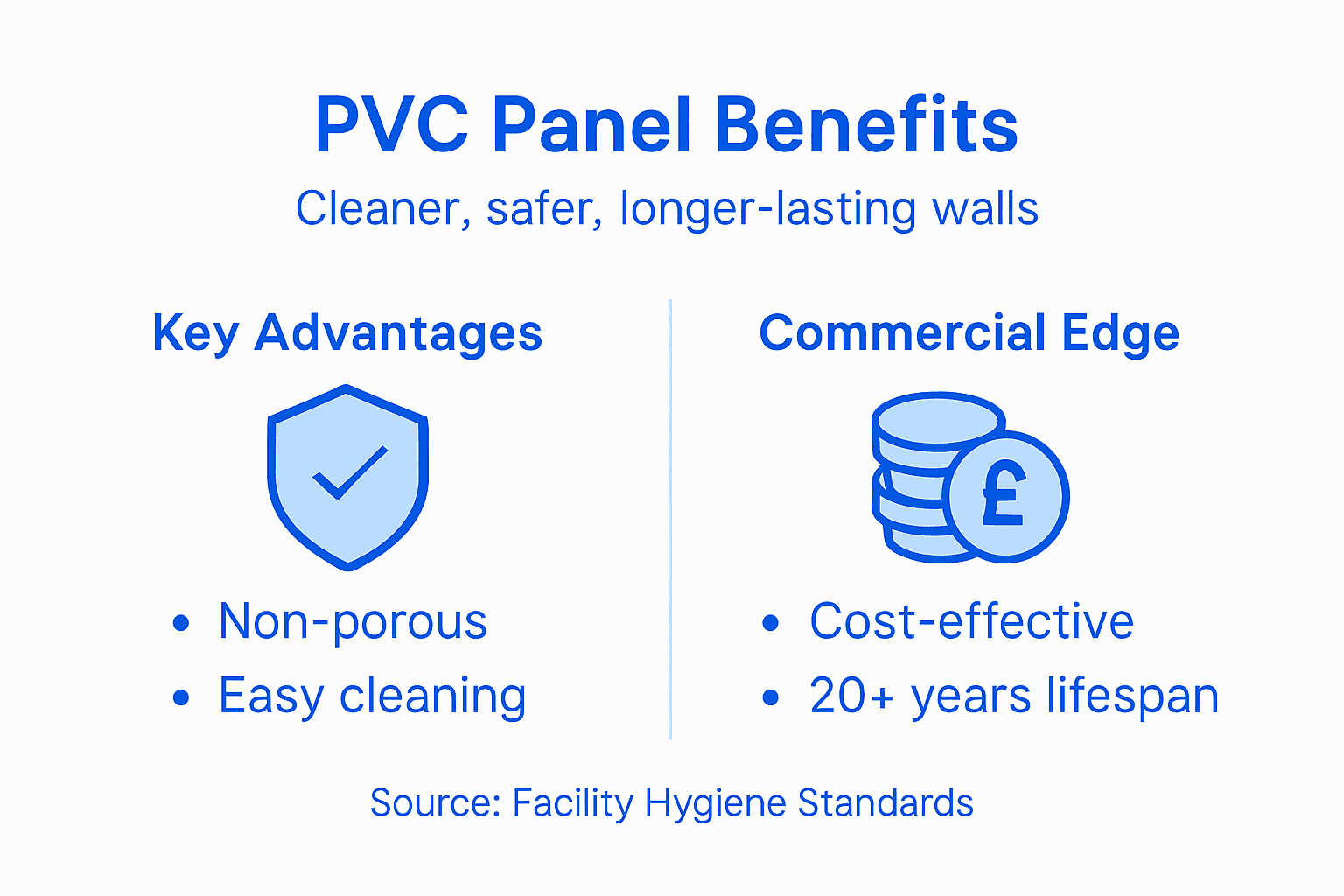
PVC panels typically cost more per square metre than paint or basic tile. A healthcare facility might spend £40-80 per square metre for quality hygienic PVC, compared to £5-15 for paint.
However, the comparison becomes clearer over 20 years. Paint requires repainting every 3-5 years in wet environments, whilst tiles develop grout contamination issues that paint doesn’t solve. PVC panels need only routine cleaning and occasional maintenance.
Breaking down installation costs
Professional installation typically takes 3-7 days depending on facility size. Labour comprises the largest cost component, not the panels themselves.
Key installation factors include:
Surface preparation: Existing walls must be assessed and levelled, adding time and cost
System complexity: Complete systems with trims, corners, and profiles cost more than basic panels alone
Facility disruption: Installing during operational hours costs more than scheduled downtime
Accessibility: Hard-to-reach areas increase labour time significantly
Quality installation prevents future problems, so choosing experienced installers saves money despite higher upfront costs.
Cheap installation creates cheap results—poor fitting leads to moisture ingress, joint contamination, and premature failure.
Comparing PVC against other wall solutions
Solution | Initial Cost | Maintenance | Lifespan | Hygiene Rating |
PVC panels | £40-80/m² | Low | 20+ years | Excellent |
Paint | £5-15/m² | High | 3-5 years | Poor |
Ceramic tile | £30-60/m² | Medium | 15-20 years | Good (grout issues) |
Stainless steel | £100-200/m² | Medium | 25+ years | Excellent (expensive) |
PVC offers the best balance of cost, durability, and hygiene performance for most healthcare and food service facilities.
Why cheaper alternatives cost more over time
Paint fails rapidly in wet environments, requiring frequent repainting. Each cycle means facility disruption, downtime costs, and labour expenses that accumulate quickly.
Tile grout becomes a bacterial harbour despite tile itself being durable. Food service inspectors flag grout contamination regularly, creating compliance issues paint doesn’t solve either.
Stainless steel delivers excellent hygiene but at substantially higher cost without PVC’s easier maintenance.
Getting accurate cost quotes
When obtaining quotes from suppliers, ensure they include:
Complete panel system (panels, trims, corners, adhesives)
Professional installation by certified installers
Warranty coverage and service terms
Maintenance guidance and future support
The cheapest quote often excludes essential components, making final costs higher when gaps become apparent.
Pro tip: Request quotes from suppliers based on total 20-year ownership cost rather than initial price alone—this reveals true financial advantage and prevents budget surprises during implementation.
Secure Your Facility’s Hygiene with Premium PVC Wall Panels
The challenge of maintaining immaculate, hygienic surfaces in healthcare, food preparation, and commercial settings is real and pressing. You need wall cladding that resists bacteria growth, endures harsh cleaning chemicals, and ensures long-lasting durability without frequent costly repairs. Our range of PVC wall panels at HygienicSheets is engineered to meet these exact demands. With certified products designed specifically for hygiene-sensitive environments, you can trust in seamless installation, superior moisture resistance, and antimicrobial protection tailored to your facility’s strict standards.
Don’t let outdated materials compromise safety or inflate maintenance expenses. Explore our comprehensive selection of high-quality wall panels, trims, and accessories today. Act now to secure fast nationwide delivery and expert support through every stage of your project. Visit HygienicSheets for Hygienic PVC Wall Cladding Solutions and take the first step towards a cleaner, safer environment.
Frequently Asked Questions
What are PVC wall panels and their main features?
PVC wall panels are rigid plastic sheets made from polyvinyl chloride that serve as durable, moisture-resistant wall coverings suited for hygiene-sensitive settings. They provide a seamless, wipeable surface that withstands frequent cleaning and harsh sanitising agents.
How do PVC wall panels compare to traditional wall finishes like paint or tile?
Unlike paint or tile, PVC wall panels offer superior moisture resistance, easier cleaning, and a longer lifespan of over 20 years. They eliminate porous surfaces where bacteria can thrive, making them ideal for healthcare and food service environments.
Are PVC wall panels safe for use in hygiene-sensitive environments?
Yes, modern PVC wall panels are designed specifically for hygienic applications and are rigorously tested. They do not off-gas harmful compounds at normal temperatures and pressures, ensuring safety in settings like healthcare and food service.
What thickness of PVC wall panels should I choose for different commercial applications?
PVC wall panels typically come in thicknesses ranging from 4mm to 10mm. For low-impact areas, 4mm is suitable, while 6mm offers versatility for most applications. For high-traffic zones, opt for 8mm to 10mm panels that provide greater impact resistance.
Recommended
Comments