

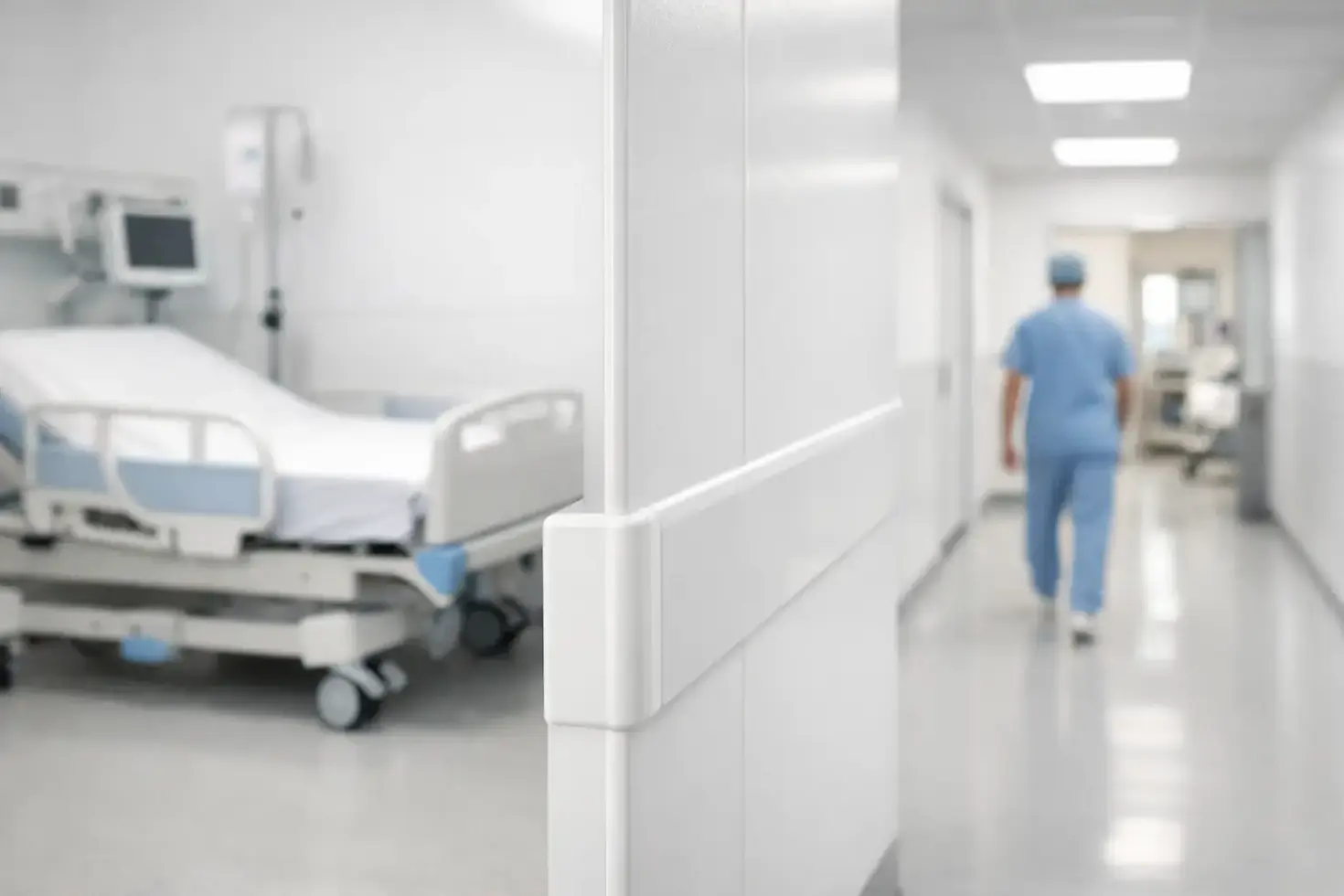
Hospital Wall Cladding Panels That Last
- tim
- Apr 22
- 6 min read
When a hospital wall starts to fail, the problem is rarely cosmetic. Cracked paint, chipped plaster, open joints and stained surfaces all create extra cleaning work and more places for dirt, moisture and bacteria to linger. That is why hospital wall cladding panels are a practical choice for healthcare interiors where hygiene, durability and speed of maintenance matter every day.
In hospitals, walls do more than divide spaces. They take knocks from beds, trolleys and equipment. They face constant cleaning. In wet areas, they also deal with steam, splashes and changing temperatures. Standard decorative finishes can look fine at handover, but in a demanding clinical setting they often become expensive to keep right. Wall cladding changes that equation by creating a hard-wearing, non-porous surface that is built for regular washdown and long-term use.
Why hospital wall cladding panels make sense
The strongest case for hospital wall cladding panels is simple: they make it easier to keep healthcare environments clean and presentable without constant repair. A smooth PVC cladding surface has no grout lines to trap contamination and no porous face to absorb moisture. Cleaning teams can wipe down quickly and thoroughly, which helps reduce downtime in busy spaces.
That matters in more than operating theatres and treatment rooms. Corridors, washrooms, sluice rooms, utility spaces, waiting areas and staff support rooms all need finishes that can cope with traffic and frequent cleaning. A panel system gives a consistent surface across these areas, which helps both hygiene performance and the overall look of the building.
There is also a practical fit-out benefit. Compared with some traditional wall finishes, cladding can speed up refurbishment programmes. Panels can often be installed over suitable existing substrates, reducing wet trades and helping projects stay on schedule. For contractors and facilities teams working to tight deadlines, that is not a minor advantage.
What to look for in hospital wall cladding panels
Not every panel marketed as hygienic is suitable for a healthcare setting. The details matter, especially where compliance, durability and cleaning performance are under scrutiny.
First, the surface needs to be fully waterproof and non-porous. This prevents moisture penetration and supports regular cleaning without the finish deteriorating. Panels should also resist stains, mould and bacterial build-up. In practice, that means easier upkeep and less risk of the wall becoming a maintenance problem after only a short period.
Impact resistance is another major factor. Hospital walls are under constant pressure from wheeled traffic and day-to-day use. A flimsy sheet may look acceptable when first installed but can mark or crack too easily in service. Premium-grade PVC panels offer a better balance of cleanability and toughness, particularly in corridors and back-of-house areas.
Fire performance should never be treated as an afterthought. In healthcare buildings, materials need to support safety requirements as well as hygiene standards. Class 1 fire rated panels are a sensible benchmark for many internal applications.
Colour stability matters too. UV stable panels help maintain a consistent finish under bright internal lighting and in areas with natural light exposure. That keeps refurbished spaces looking clean and professional for longer, which is important in patient-facing environments where appearance affects confidence as much as practicality.
The panel is only part of the system
One common mistake on healthcare projects is treating cladding as a single product rather than a complete installation system. In reality, trims, internal and external corners, adhesives, sealants and jointing details all affect the finished result.
Poor finishing can undermine a good panel. Gaps, awkward corners and badly sealed joints create weak points for dirt and moisture. A complete system approach gives a neater installation and a more reliable hygienic surface overall. It also makes ordering simpler, which helps avoid delays when installers are on site and need everything at the same time.
Where these panels work best in hospitals
Hospital wall cladding panels are especially useful in spaces where cleaning is frequent and damage risk is high. Clinical rooms are the obvious example, but they are not the only ones.
In washrooms and shower areas, cladding provides a waterproof alternative to tiled finishes and removes the maintenance burden of grout. In corridors, it helps protect walls from repeated knocks while still giving a clean, professional appearance. In kitchens, food prep zones and ancillary spaces, a food-safe, easy-clean wall finish supports hygiene without creating unnecessary maintenance work.
There is also growing value in cladding for refurbishment of older healthcare estates. Many older walls are uneven, tired or difficult to keep clean with painted finishes alone. Cladding offers a straightforward route to upgrading those surfaces without a full strip-out in every case. That can save time, reduce disruption and improve standards quickly.
Clinical performance versus visual finish
Healthcare design is not only about specification sheets. Patients, visitors and staff all respond to how a space feels. White remains a strong choice where a clinical look is needed, but softer colours and gloss finishes can work well in less acute areas, helping spaces feel brighter and less harsh without compromising cleanability.
That balance matters. A waiting room, outpatient area or staff room may still need hygienic wall protection, but it does not have to feel stark. The right finish can support both performance and presentation.
Installation: faster than tiles, but still needs care
One reason buyers choose cladding is speed. Large-format sheets cover more wall area with fewer joints, and that alone can reduce installation time compared with traditional tiling. There is also less ongoing maintenance because there are no grout lines to discolour or crack.
That said, speed should not be confused with shortcuts. Substrates must be prepared properly, adhesive needs to be suitable for the environment, and trims should be selected to suit the layout. In hospital settings, neat detailing is especially important because any poor finish will be noticed quickly by cleaning teams and inspectors alike.
For contractors, the biggest gain is often predictability. A well-planned cladding system is straightforward to order, straightforward to fit and easier to hand over with confidence. For facilities managers, that means fewer call-backs and less maintenance pressure after installation.
Tiles, paint or cladding?
There is no single answer for every room, but in hygiene-critical areas cladding often has the edge. Paint can be economical upfront, yet it tends to mark and degrade more quickly under heavy cleaning. Tiles are familiar and durable, but grout introduces an obvious maintenance issue and fitting can be slower.
Cladding sits in a useful middle ground. It gives a smooth, grout-free, easy-clean finish with strong moisture resistance and a quicker route to completion. The trade-off is that product quality and fitting detail really matter. Low-grade sheets or incomplete systems can lead to movement, poor joints or a finish that looks too lightweight for a professional healthcare environment.
That is why buyers should focus on specification, stock availability and system compatibility rather than headline price alone. Saving a little on the panel only to lose time sourcing trims and adhesives later is rarely good value.
Buying for projects without slowing them down
For project-based buyers, availability is as important as performance. Hospitals and healthcare contractors do not want to wait weeks for basic materials, especially on reactive works or live refurbishments. Reliable stock and fast nationwide delivery can be the difference between staying on programme and slipping behind.
Online ordering also has obvious advantages when multiple products are needed. Being able to source panels, trims, adhesives and sealants together reduces admin and helps ensure compatibility. For smaller works, samples are equally useful. They allow contractors, estates teams and domestic buyers to check finish and suitability before committing to a full order.
This is where a specialist supplier such as Hygienic Sheets has a clear advantage over general merchants. The product range is built around hygiene-sensitive spaces, so buyers can source a complete wall cladding system with less guesswork and less risk of missing essential components.
A practical choice for modern healthcare interiors
Hospital wall cladding panels are not just about covering walls. They are about reducing maintenance problems, supporting cleanliness standards and giving busy healthcare spaces a finish that stands up to real use. When you choose premium PVC sheets with the right trims and installation products, you get a surface that is easier to clean, quicker to fit and more dependable over time.
If you are specifying for a ward upgrade, fitting out a treatment area or refurbishing support spaces, the best results come from thinking beyond the sheet itself. Choose a complete, high-quality system that is ready for the demands of healthcare from day one - and keeps doing its job long after handover.


Comments