


Bathroom PVC Wall Panels for Easy-Clean Walls
- tim
- Apr 20
- 6 min read
A bathroom that looks smart on day one can quickly become hard work once moisture, soap residue and mould start building up around joints. That is why bathroom PVC wall panels have become such a practical choice for both home renovations and trade projects. They give you a waterproof, grout-free surface that is easier to fit than tiles, easier to clean in daily use, and far more forgiving in busy bathrooms where walls need to stay looking fresh.
Why bathroom PVC wall panels make sense
Tiles still have their place, but they bring extra labour, longer drying times and the ongoing issue of grout lines. In a bathroom, that usually means more cleaning and more chance of staining or mould over time. PVC wall panels solve that problem at the surface level. Instead of lots of small sections with multiple joints, you get large sheets or panels that create a smoother finish with fewer weak points.
That matters in real bathrooms, not just on a product sheet. Whether you are fitting out an en-suite, upgrading a family bathroom or specifying materials for rental properties, the goal is usually the same - keep the room easy to maintain and dependable in wet conditions. PVC cladding is designed for exactly that job.
A good panel system also does more than cover the wall. It works with matching trims, adhesives and sealants to create a complete installation that stands up well to daily use. That joined-up approach is often the difference between a finish that looks tidy for years and one that starts to fail around edges and corners.
What to look for in bathroom PVC wall panels
Not all panels are equal, especially in rooms with constant steam, splashes and temperature changes. Waterproof performance is the first requirement, but it should not be the only one. You also want a surface that resists stains, does not encourage mould growth, and can handle regular cleaning without losing its finish.
For many buyers, fire performance matters too. If you are working on commercial accommodation, managed property or a larger refurbishment, the specification can carry just as much weight as the appearance. Panels with Class 1 fire rating and strong hygiene credentials offer extra reassurance where compliance and durability are part of the brief.
Appearance still matters, of course. Bathrooms are functional spaces, but they are also visible spaces. Clean white sheets remain a popular option because they keep the room bright and clinical in a good way. Pastel and gloss finishes can soften the overall look or add more design value without sacrificing practicality. If you want the room to feel cleaner, lighter and easier to manage, panel finish plays a bigger role than many people expect.
Size, finish and joint detail
The right panel size depends on the room layout and how much cutting you want on site. Larger sheets can speed up installation and reduce joints, which supports hygiene and makes cleaning easier. In smaller or awkward spaces, panel format and trim selection become more important because neat finishing around windows, boxing-in and shower areas is what gives the job a professional result.
Gloss finishes tend to reflect more light and can help compact bathrooms feel bigger. Softer finishes can be a better fit where a less clinical look is needed. There is no single right answer here. It depends on whether the priority is pure hygiene appearance, decorative finish, or a balance of both.
A practical alternative to tiles
The strongest argument for PVC panels is not that they replace tiles in every case. It is that they solve several common tile problems in one move. There is no grout to maintain, no need to scrub lines between tiles, and no concern about porous joints becoming tired-looking long before the rest of the bathroom.
Installation is often faster as well. For contractors, that can mean less time on site and fewer stages to manage. For homeowners, it can mean less disruption and a quicker route to a usable bathroom. Panels can often be fixed over suitable existing surfaces, which helps reduce preparation time, though the substrate still needs to be sound, clean and appropriate for the system being used.
That said, trade-offs do exist. If someone wants a highly decorative feature wall with complex patterns, traditional tiling may offer more design flexibility. PVC is a better fit when the priority is hygiene, speed, easy maintenance and long-term practicality. In many bathrooms, that is exactly what matters most.
Where bathroom PVC wall panels work best
These panels are a strong option in shower enclosures, around baths, behind basins and on full bathroom walls. In homes, they suit family bathrooms, cloakrooms and en-suites where moisture control and simple cleaning are daily concerns. In commercial settings, they are equally useful in washrooms, changing areas, hospitality spaces and managed accommodation where surfaces need to stay presentable with minimal upkeep.
They also make sense in rental properties and refurbishment programmes. A finish that is waterproof, easy to wipe down and less vulnerable to grout discolouration can reduce maintenance calls and help keep units in better condition between occupancies. For facilities managers and landlords, that is not a small advantage.
Domestic and commercial buyers want the same basics
The setting may be different, but the buying logic is often similar. Homeowners want a bathroom that stays clean-looking without constant effort. Trade buyers want materials that install efficiently, perform consistently and arrive on time. Both groups benefit from a wall system that is durable, low maintenance and available with the trims and accessories needed to complete the job properly.
Installation matters as much as the panel
Even the best panel will only perform properly if it is fitted as part of a complete system. Adhesives, sealants and trims are not add-ons for the sake of it. They help manage movement, protect edges and maintain a hygienic finish where water is most likely to test the installation.
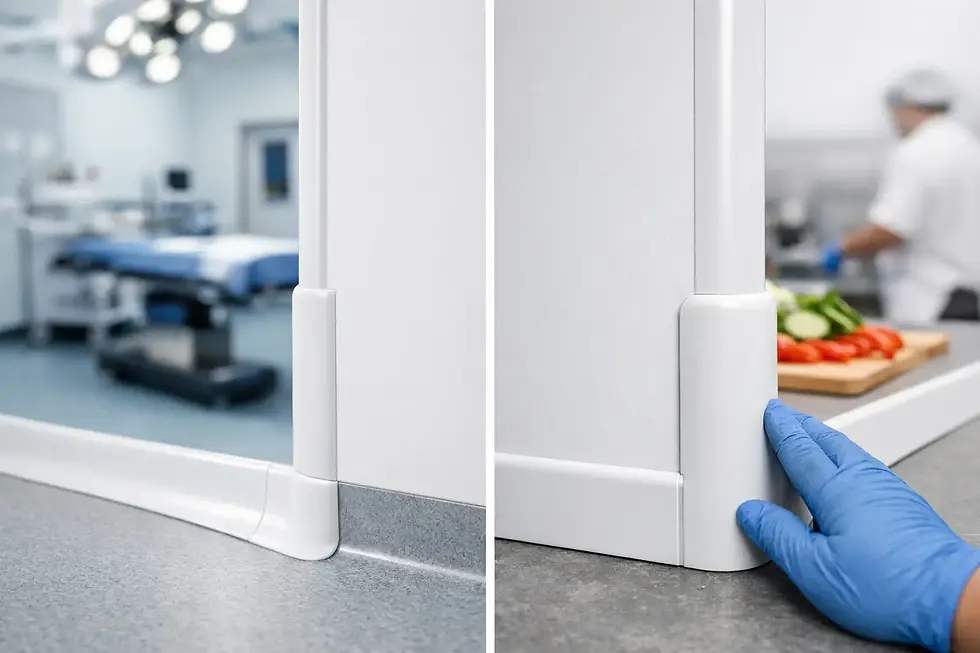
In bathrooms, corners, internal joints and junctions around fixtures need particular attention. A neat trim detail does more than improve appearance. It helps stop moisture getting behind the surface, which is essential for long-term performance. For professional installers, this is standard practice. For DIY buyers, it is one of the main reasons to buy from a specialist supplier rather than trying to piece products together from multiple sources.
Preparation also counts. Walls should be dry, stable and suitable for bonding. If the background is poor, any wall covering will struggle eventually. A quick installation is one of the big benefits of PVC, but rushing the basics is where problems start.
Choosing a supplier, not just a panel
When deadlines are tight, stock availability becomes part of the product. There is little value in choosing the right finish if trims are missing or adhesives are delayed. A specialist supplier with a full range in stock makes the buying process far easier, particularly on project work where every component needs to arrive together.
This is where a complete cladding offer stands out. Being able to order panels, matching trims, adhesives, sealants and accessories in one place saves time and reduces guesswork. It also gives buyers more confidence that the parts are designed to work together. For installers, shopfitters and property teams, that simplicity can take pressure out of the job.
At Hygienic Sheets, that complete-system approach is built around practical buying needs - premium-grade PVC, strong stock levels, straightforward online ordering and fast nationwide delivery. For domestic customers and trade buyers alike, convenience only matters if the product turns up ready to perform, and that is exactly the point.
Are bathroom PVC wall panels right for every project?
Usually, they are the right choice when the main priorities are hygiene, waterproofing, speed and low maintenance. If you are refurbishing a bathroom that gets heavy use, or specifying surfaces for managed property, hospitality or public washrooms, the benefits are hard to ignore.
If the project is design-led above all else, you may spend more time comparing finishes and deciding whether a panelled look suits the room. The good news is that modern PVC cladding is no longer limited to purely functional white-only interiors. There is enough variety in colour and finish to create a cleaner, more contemporary look while still keeping the practical advantages front and centre.
The best bathroom materials are the ones that continue to make life easier long after installation day. Bathroom PVC wall panels do exactly that - they keep wet areas protected, reduce cleaning effort and give you a reliable finish that works as hard as the room itself.
Comments