

Best PVC cladding practices 2026: 90% microbial reduction
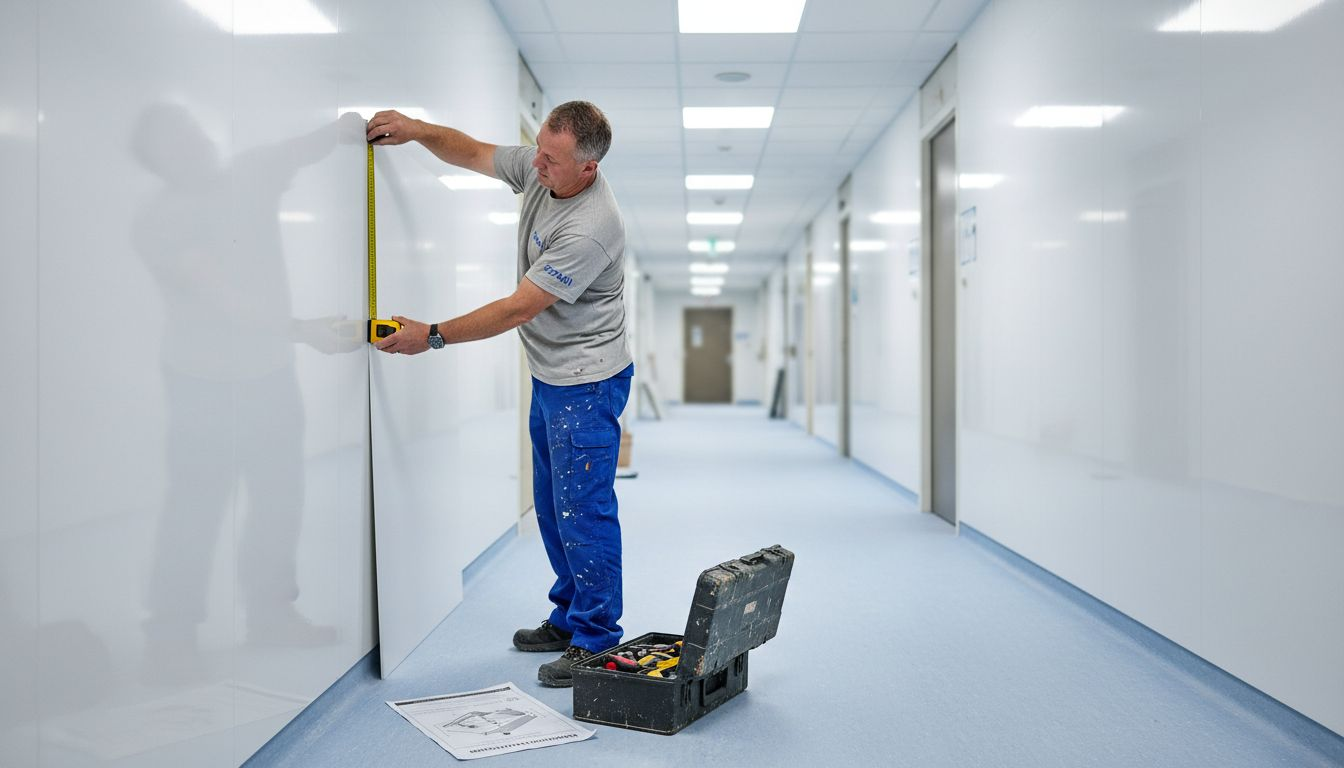
Best Practices for PVC Cladding in 2026: Achieving 90% Microbial Reduction
Selecting PVC cladding that satisfies strict hygiene and fire safety standards poses a significant challenge for UK facility managers and contractors overseeing healthcare and food service projects. With 52% of buildings with unsafe cladding having started or completed remediation works in England by January 2026, understanding optimal cladding criteria, installation methods, regulatory requirements, and cost implications is essential to making informed decisions that deliver long-term compliance and performance.
Table of Contents
Selection Criteria For PVC Cladding In Healthcare And Food Service
Top PVC Cladding Options: Performance And Use Cases
Installation Best Practices For Hygienic And Durable PVC Cladding
UK Regulatory And Certification Frameworks Impacting PVC Cladding Use
Cost, Availability, And Funding Insights For UK PVC Cladding Projects
Summary Comparison Of Best PVC Cladding Practices And Products
Situational Recommendations: Choosing The Right PVC Cladding Solution
Explore Hygienic PVC Cladding Products And Installation Support
Key takeaways
Point | Details |
Selection criteria prioritise hygiene, fire safety compliance, moisture resistance, and installation effectiveness | Facility managers must evaluate antimicrobial properties, regulatory alignment, durability, and lifecycle costs when choosing PVC cladding for healthcare and food service environments. |
Antimicrobial PVC reduces surface contamination by up to 90% with certified performance | ISO 22196 certified antimicrobial PVC cladding significantly lowers microbial presence, critical for infection control in healthcare and food preparation zones. |
Mechanical fixings enhance waterproof sealing by 25% compared to adhesive-only installations | Using mechanical fixings on treated battens provides superior moisture protection and durability for hygienic cladding systems. |
UK Building Safety Act 2024 mandates strict cladding standards with remediation funding available | Compliance with Euroclass B fire safety standards and Building Safety Act 2024 requirements is mandatory, with government schemes offering financial support for eligible projects. |
Situational recommendations guide tailored PVC cladding choices for diverse environments and budgets | Selecting the right cladding type depends on moisture exposure, regulatory demands, budget constraints, and lifecycle cost considerations specific to each facility. |
Selection criteria for PVC cladding in healthcare and food service
Choosing the right PVC cladding begins with understanding what makes a product suitable for demanding hygiene-controlled environments. Facility managers and contractors must prioritise several key evaluation factors to ensure installations meet operational needs and regulatory standards.
Hygiene and antimicrobial properties stand at the forefront. Only PVC cladding with specific antimicrobial and hygienic certifications meets stringent infection control requirements in healthcare and food service. Antimicrobial surfaces actively inhibit bacterial and fungal growth, reducing contamination risk in critical zones. Look for products certified to ISO 22196 standards, which validate antimicrobial effectiveness through rigorous laboratory testing.
Regulatory compliance cannot be overlooked. UK fire safety regulations require Euroclass B rated cladding for buildings above certain heights, while the Building Safety Act 2024 imposes remediation deadlines and penalties for non-compliant installations. Selecting certified products from the outset avoids costly retrofits and legal complications.
Moisture resistance protects structural integrity and prevents microbial colonisation. PVC cladding must withstand high humidity, splashes, and cleaning protocols without degrading or harboring pathogens. Waterproof sealing at joints and edges is critical to maintaining hygiene standards over time.
Durability and maintenance determine lifecycle cost effectiveness. High-quality PVC resists impact, chemicals, and UV exposure while requiring minimal upkeep. Easy-to-clean surfaces reduce labour costs and support infection prevention protocols.
Installation method impacts both waterproofing and hygiene outcomes. Mechanical fixings on treated softwood battens deliver superior performance compared to adhesive-only approaches, creating continuous support that resists moisture ingress and wind loads.
Cost considerations include initial purchase price, installation expenses, and long-term maintenance. Government remediation funding can offset project costs for qualifying buildings, making premium antimicrobial options more accessible.
Pro Tip: Prioritise PVC cladding with both antimicrobial certification and fire retardant treatment when budgets allow. This combination addresses the two most critical compliance areas in healthcare and food service simultaneously, reducing long-term risk and remediation expenses.
Key selection criteria checklist:
Antimicrobial certification (ISO 22196 or equivalent)
Fire safety rating (Euroclass B minimum for regulated buildings)
Moisture resistance and waterproof sealing capability
Impact resistance and chemical tolerance
Installation method compatibility
Lifecycle cost including maintenance requirements
Availability of government funding for your project type
Understanding PVC hygienic wall cladding suitability across different facility types helps refine selection criteria for your specific environment.
Top PVC cladding options: performance and use cases
With selection criteria established, examining leading PVC cladding products available in 2026 reveals how different options align with healthcare and food service requirements. Performance benchmarks and certifications guide optimal product matching to specific environments.
Standard PVC cladding offers reliable moisture resistance and cleanability at accessible price points. These products suit lower-risk areas such as corridors, storage rooms, and administrative spaces where antimicrobial properties are beneficial but not critical. Standard options typically meet basic fire safety requirements for lower buildings.
Antimicrobial PVC cladding represents the gold standard for infection-sensitive zones. Antimicrobial PVC cladding reduces microbial presence on surfaces by up to 90%, delivering measurable infection control benefits in operating theatres, patient rooms, and food preparation areas. Look for ISO 22196 certification to verify antimicrobial performance through standardised testing protocols.
Fire retardant treated PVC meets Euroclass B standards required for regulated buildings above 11 metres. These products incorporate flame-inhibiting additives that slow combustion and reduce smoke generation during fire events. Fire rated options are mandatory for healthcare facilities and commercial buildings subject to Building Safety Act 2024 requirements.
Lightweight and flexible PVC panels simplify installation while maintaining structural performance. Reduced weight eases handling and cuts labour time, particularly important for ceiling applications and large-scale projects. Flexibility allows panels to conform to minor surface irregularities without compromising waterproof sealing.
ISO 9001 certification ensures manufacturing quality and consistency across production batches. Combined with ISO 22196 antimicrobial validation, these certifications provide facility managers with documented assurance of product performance and regulatory compliance.
Performance comparison of leading PVC cladding types:
Cladding Type | Antimicrobial Efficacy | Fire Rating | Best Use Case | Relative Cost |
Standard PVC | Basic hygiene | Euroclass C-D | Low-risk zones, storage | Lowest |
Antimicrobial PVC | Up to 90% reduction | Euroclass C-D | Patient rooms, prep areas | Medium |
Fire Retardant PVC | Basic hygiene | Euroclass B | Regulated buildings >11m | Medium-High |
Antimicrobial + Fire Retardant | Up to 90% reduction | Euroclass B | Critical healthcare zones | Highest |
For commercial kitchen cladding options, antimicrobial PVC with enhanced moisture resistance provides optimal protection against food contamination and pathogen transmission. Critical healthcare zones demand the combined benefits of antimicrobial and fire retardant properties to meet regulatory standards and protect vulnerable populations.
Pro Tip: Request product data sheets that include both antimicrobial test results and fire certification documents before finalising specifications. This documentation proves invaluable during regulatory inspections and provides contractors with clear installation guidance aligned with compliance requirements.
Exploring the full range of uses for hygienic PVC cladding reveals application versatility across healthcare, food service, and related sectors requiring stringent hygiene control.
Installation best practices for hygienic and durable PVC cladding
Proper installation determines whether PVC cladding delivers its full performance potential. Following proven best practices ensures waterproofing, hygiene, durability, and regulatory compliance in demanding healthcare and food service environments.
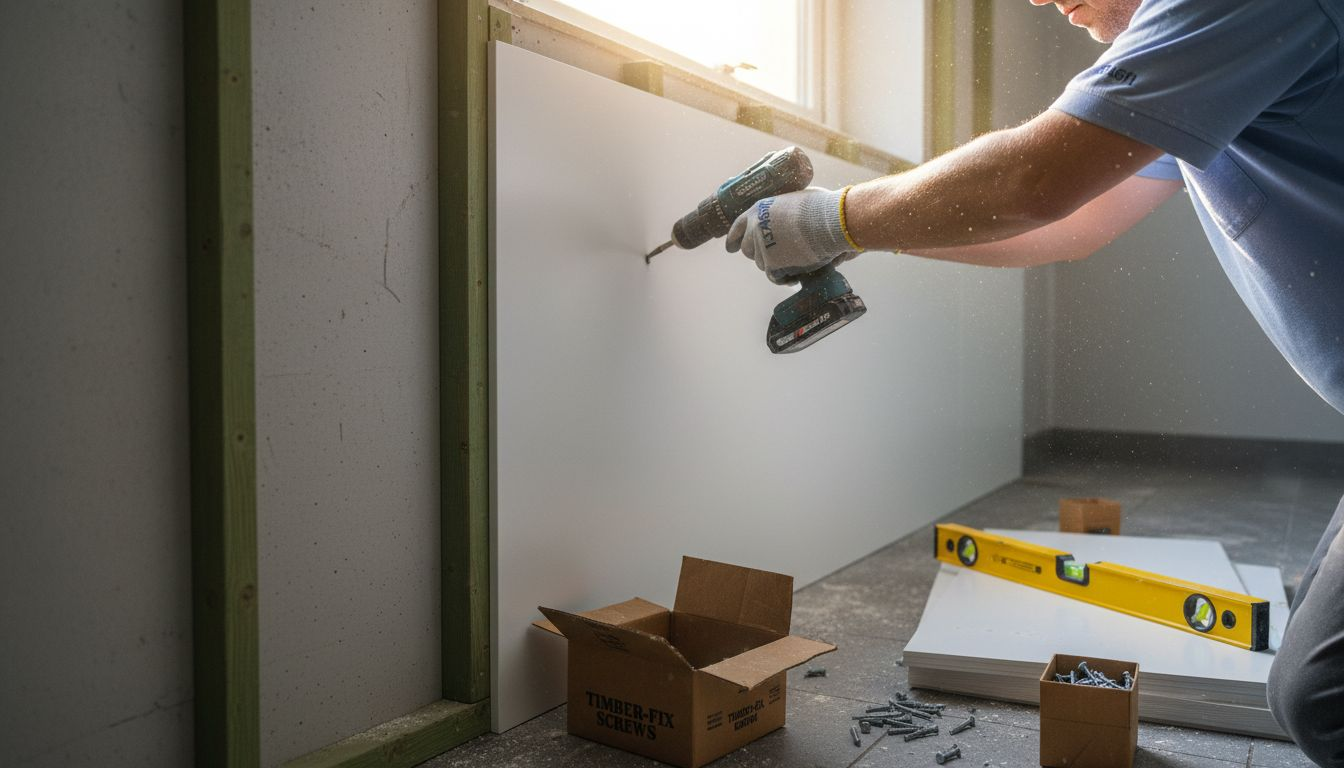
Start with treated softwood battens spaced at 400mm centres to create a stable mounting framework. Treated timber resists moisture damage and provides reliable anchor points for mechanical fixings. Consistent spacing prevents panel sagging and maintains flat, professional-looking surfaces.
Mechanical fixings deliver superior performance compared to adhesive-only methods. Mechanical fixings improve waterproof seal integrity by 25% over adhesive installations by creating positive pressure at fixing points that compresses gaskets and seals. Use corrosion-resistant screws or specialised cladding pins designed for hygienic applications.
Edge trims protect cut panel edges and improve hygienic sealing at corners, floors, and ceilings. Trims create finished appearances while preventing moisture ingress at vulnerable transitions. Internal and external corner trims accommodate right-angle joints without exposed cut edges that could harbor contaminants.
Ensure continuous support behind all panel surfaces to resist wind loads and impact damage. Avoid unsupported spans that allow panels to flex, which compromises waterproof sealing and accelerates material fatigue. Additional battens may be required around windows, doors, and other penetrations.
Manage moisture proactively during and after installation. Allow adequate ventilation behind panels to prevent condensation buildup that could support microbial growth. Seal all penetrations, joints, and edges with appropriate silicone sealants rated for hygienic environments.
Step-by-step installation sequence for optimal results:
Prepare substrate by removing loose material and ensuring dry, level surfaces
Install treated softwood battens at 400mm centres using corrosion-resistant fixings
Cut PVC panels to size using fine-toothed saws to minimise edge roughness
Apply edge trims to all cut edges before panel installation
Position first panel and secure with mechanical fixings through pre-drilled holes
Install subsequent panels with tight joints, using interlocking edges where provided
Apply corner trims at internal and external angles
Seal all joints and penetrations with hygienic-grade silicone sealant
Clean installed surfaces with approved disinfectants before commissioning
Follow the comprehensive PVC cladding installation guide for detailed techniques specific to hygienic environments. Source quality adhesive and mechanical fixings for PVC cladding from suppliers who understand healthcare and food service requirements.
Pro Tip: Plan panel layout to minimise joints in high-splash zones such as behind sinks and food preparation surfaces. Fewer joints mean fewer potential moisture ingress points and easier cleaning protocols, directly supporting infection control objectives.
Key installation considerations:
Use only corrosion-resistant fixings rated for damp environments
Pre-drill fixing holes to prevent panel cracking
Maintain consistent fixing patterns for uniform load distribution
Allow thermal expansion gaps at perimeter edges
Verify substrate moisture content before installation
Document installation methods for future maintenance reference
UK regulatory and certification frameworks impacting PVC cladding use
Navigating UK regulatory requirements ensures PVC cladding installations meet legal standards while qualifying for available funding support. Understanding compliance frameworks prevents costly remediation and supports long-term facility safety.
The Building Safety Act 2024 establishes strict cladding compliance requirements with enforced remediation deadlines and financial penalties for non-compliant buildings. Facility managers must verify that new installations meet current standards and that existing cladding qualifies for exemptions or remediation funding.
52% of English buildings with unsafe cladding started or completed remediation by January 2026, demonstrating significant progress while highlighting ongoing compliance challenges across the sector.
The Cladding Safety Scheme funds remediation for buildings above 11 meters through government cash grants. This programme specifically targets mid-rise residential and mixed-use buildings with unsafe cladding, offering financial support that makes compliant PVC cladding upgrades more accessible.
The Building Safety Fund provides additional remediation support for higher-risk buildings. Combined with the Cladding Safety Scheme, these programmes create a comprehensive funding framework that facility managers should evaluate when planning cladding projects.
Fire safety mandates Euroclass B standard for cladding on regulated buildings above specified heights. Non-combustible or fire-retardant treated materials prevent rapid flame spread that could endanger occupants. Verify fire ratings through independent testing certificates before specifying products.
ISO certifications validate hygienic PVC cladding quality and performance. ISO 22196 confirms antimicrobial effectiveness, while ISO 9001 demonstrates manufacturing quality management. These certifications provide documented evidence of compliance during regulatory inspections.
Mortgage lenders increasingly accept buildings with government-certified remediation, removing financing barriers that previously complicated property transactions. This policy shift improves project viability and supports wider adoption of compliant cladding systems.
“The Building Safety Act 2024 represents the most significant reform of building safety regulations in a generation, establishing clear accountability and enforceable standards that protect building occupants while providing remediation pathways for existing non-compliant structures.”
Key regulatory compliance requirements:
Euroclass B fire rating minimum for buildings above 11 metres
ISO 22196 antimicrobial certification for healthcare applications
ISO 9001 quality management certification from manufacturers
Building Safety Act 2024 compliance documentation
Evidence of government-certified remediation where applicable
Regulatory compliance at a glance:
52% of English buildings with unsafe cladding have completed or started remediation work by January 2026, demonstrating significant sector progress toward Building Safety Act 2024 compliance.
Stay informed about evolving building safety remediation data through government monthly updates. Review Building Safety Act 2024 details to understand enforcement timelines. Explore cladding safety scheme information to determine funding eligibility for your projects.
Cost, availability, and funding insights for UK PVC cladding projects
Financial planning determines project feasibility and optimal product selection. Understanding costs, funding opportunities, and lifecycle economics helps facility managers and contractors make informed decisions that balance performance with budget constraints.
Government remediation funding schemes simplify access to cash grants for unsafe cladding replacement through a centralised Building Remediation Hub. This streamlined application process reduces administrative burden and accelerates funding approval for qualifying projects.
The Cladding Safety Scheme targets buildings between 11 and 18 metres with residential units, offering government-funded remediation that can fully cover compliant PVC cladding installation costs. Eligibility depends on building height, occupancy type, and cladding risk assessment results.
Higher buildings above 18 metres may qualify for Building Safety Fund support, which provides grants proportional to building risk level and remediation scope. Both schemes significantly improve project economics by offsetting material and installation expenses.
Waterproof, low-maintenance antimicrobial PVC cladding delivers long-term cost effectiveness despite higher initial investment. Reduced cleaning requirements, extended replacement intervals, and lower infection control costs create favorable lifecycle economics compared to cheaper alternatives requiring frequent maintenance or early replacement.
Mortgage lenders accept buildings with government-certified remediation, improving financing options for property owners and developers. This policy removes a significant barrier that previously complicated project funding and property transactions.
Financial considerations for PVC cladding projects:
Initial material costs vary by product type (standard, antimicrobial, fire retardant)
Installation labour represents 30-40% of total project cost
Government funding can offset 70-100% of remediation expenses for qualifying buildings
Lifecycle costs favour premium antimicrobial options over 10+ year horizons
Reduced maintenance and cleaning costs improve operational budgets
Compliance avoids penalties under Building Safety Act 2024
Evaluate total cost of ownership rather than purchase price alone. Premium antimicrobial PVC with fire retardant treatment costs more initially but delivers superior infection control, regulatory compliance, and durability that reduce long-term expenses.
Explore government cladding remediation grants to determine your project eligibility. Review mortgage financing and remediation certification requirements if property transactions are involved in your planning.
Summary comparison of best PVC cladding practices and products
Consolidating key insights into a comparative framework supports final decision-making. This summary table and evaluation synthesise product performance, installation methods, regulatory compliance, and funding considerations.
Comprehensive PVC cladding comparison:
Feature | Standard PVC | Antimicrobial PVC | Fire Retardant PVC | Antimicrobial + Fire Retardant |
Microbial Reduction | Minimal | Up to 90% | Minimal | Up to 90% |
Fire Rating | Euroclass C-D | Euroclass C-D | Euroclass B | Euroclass B |
Healthcare Suitability | Low-risk zones only | High (patient rooms, labs) | Moderate | Critical zones (operating theatres) |
Food Service Suitability | Storage areas | Commercial kitchens | Moderate | High-risk prep areas |
Regulatory Compliance | Basic | Healthcare standards | Building Safety Act 2024 | Full compliance |
Funding Availability | Limited | Moderate | High (remediation schemes) | High (remediation schemes) |
Relative Cost | £ | ££ | ££ | £££ |
Installation Complexity | Standard | Standard | Standard | Standard |
Installation method comparison reveals mechanical fixings outperform adhesive-only approaches across all performance metrics. Mechanical systems provide 25% better waterproof sealing, easier future maintenance access, and superior long-term durability. Adhesive-only installation suits temporary applications or very low-moisture environments but should be avoided in healthcare and food service settings.
Compliance requirements vary by building type and height. Healthcare facilities require antimicrobial certification regardless of building height. Buildings above 11 metres must meet Euroclass B fire standards. Combining both certifications ensures comprehensive regulatory compliance while maximising hygiene performance.
Funding accessibility favours fire retardant and combined antimicrobial plus fire retardant options through government remediation schemes. This financial support can transform premium products from budget-prohibitive to cost-effective choices for qualifying projects.
Key decision factors summary:
Antimicrobial certification essential for infection-sensitive environments
Fire rating mandatory for buildings above 11 metres
Mechanical fixings strongly preferred over adhesive-only installation
Government funding significantly improves premium product affordability
Lifecycle costs favour higher initial investment in certified products
Review PVC ceiling cladding overview for complementary overhead installation guidance that extends wall cladding hygiene benefits throughout facility spaces.
Situational recommendations: choosing the right PVC cladding solution
Practical guidance tailored to specific environments and constraints helps facility managers select optimal PVC cladding configurations. These recommendations balance hygiene requirements, regulatory compliance, and budget realities.
Environment-specific PVC cladding recommendations:
High-moisture commercial kitchens: Specify antimicrobial PVC with mechanical fixings on treated battens spaced at 400mm centres. Prioritise panels with enhanced moisture resistance and chemical tolerance to withstand daily cleaning with industrial disinfectants. Install comprehensive edge trim systems at all floor and ceiling junctions to prevent water ingress behind panels.
Critical healthcare zones (operating theatres, intensive care units): Select antimicrobial plus fire retardant PVC certified to both ISO 22196 and Euroclass B standards. Use mechanical fixings exclusively with hygienic-grade silicone sealant at all joints. Minimise panel joints in surgical fields and patient contact areas to reduce contamination risk and simplify cleaning protocols.
Budget-conscious facilities with government funding eligibility: Leverage Cladding Safety Scheme or Building Safety Fund grants to specify premium antimicrobial and fire retardant products that would otherwise exceed budget constraints. Mechanical fixings with standard edge trims provide cost-effective waterproofing without compromising hygiene performance. Focus investment on highest-risk zones while using standard PVC in lower-priority areas.
Mid-rise buildings requiring fire safety compliance: Fire retardant PVC meeting Euroclass B standards satisfies Building Safety Act 2024 requirements for structures above 11 metres. Add antimicrobial properties if healthcare or food service activities occur in the building. Verify fire certification through independent test documentation before procurement.
Lifecycle cost-optimised installations: Invest in antimicrobial plus fire retardant PVC with mechanical fixings for 15-20 year service life with minimal maintenance. Higher upfront costs are offset by reduced cleaning labour, extended replacement intervals, and avoided regulatory penalties. Calculate total cost of ownership over expected building lifecycle rather than initial purchase price.
Pro Tip: Create a decision matrix that scores each PVC cladding option against your specific priorities (hygiene performance, fire safety, moisture resistance, cost, funding availability). Weight factors according to facility criticality and regulatory requirements, then select the highest-scoring option that fits within budget constraints after applying available government funding.
Consider building height and applicable fire safety codes when finalising specifications. Structures above 18 metres face stricter requirements than mid-rise buildings. Adjust cladding selection and installation methods accordingly to ensure full regulatory compliance from project inception.
Explore hygienic PVC cladding products and installation support
Implementing best practices requires access to quality products and expert guidance. Hygienic wall cladding products provide facility managers and contractors with comprehensive solutions designed specifically for healthcare and food service applications.
Our extensive selection includes certified antimicrobial PVC wall cladding sheets, fire retardant options, and complete trim systems that meet UK regulatory standards. Every product carries relevant ISO certifications and fire safety documentation to support your compliance requirements.
Comprehensive installation accessories simplify project execution. Quality adhesive and accessories for PVC cladding include hygienic-grade silicones, mechanical fixings rated for damp environments, treated battens, and specialised tools designed for professional installations. These matched component systems ensure compatibility and optimal performance across your entire cladding assembly.
Expert installation guidance helps contractors implement best practices with confidence. Our detailed installation guide for hygienic PVC cladding covers mechanical fixing techniques, moisture management strategies, and regulatory compliance checkpoints specific to healthcare and food service environments.
Dedicated customer support assists with product selection tailored to your facility requirements. Our team understands the unique challenges of healthcare and food service projects, helping you navigate antimicrobial certifications, fire ratings, and government funding eligibility to specify optimal solutions within budget constraints.
Frequently asked questions
What are the key hygiene benefits of antimicrobial PVC cladding?
Antimicrobial PVC cladding reduces microbial surface contamination by up to 90%, significantly enhancing infection control in healthcare and food service areas. Products certified to ISO 22196 standards provide verified antimicrobial performance through rigorous laboratory testing, giving facility managers documented assurance of hygiene effectiveness.
What installation methods best prevent moisture ingress under PVC cladding?
Mechanical fixings on treated softwood battens deliver superior waterproof sealing compared to adhesive-only installations, improving seal integrity by 25%. Edge trims and continuous support at 400mm centres reduce moisture penetration risks and prevent microbial growth in cavity spaces. Regular post-installation inspection and proactive moisture management maintain long-term waterproofing performance.
How do UK regulations impact PVC cladding selection for healthcare projects?
PVC cladding must meet Euroclass B fire safety standards for buildings above 11 metres height under current UK regulations. Healthcare facilities must comply with Building Safety Act 2024 requirements to avoid penalties and qualify for government remediation funding. Selecting certified antimicrobial and fire retardant PVC from project inception ensures legal compliance while supporting infection control objectives.
Which PVC cladding type offers the best value for commercial kitchens?
Antimicrobial PVC with mechanical fixings provides optimal value for commercial kitchens by combining 90% microbial reduction with enhanced moisture resistance and chemical tolerance. While initial costs exceed standard PVC, reduced cleaning requirements and extended service life create favorable lifecycle economics. Government funding may be available for qualifying food service facilities to offset premium product costs.
Can existing non-compliant cladding be replaced using government funding?
Yes, the Cladding Safety Scheme provides cash grants for buildings between 11 and 18 metres with unsafe cladding, while the Building Safety Fund supports higher structures. Eligibility depends on building height, occupancy type, and cladding risk assessment results. A centralised Building Remediation Hub streamlines application processes, making government funding more accessible for qualifying remediation projects in 2026.
Recommended
Comments