

PVC Panels: 99.98% Bacteria Reduction for UK Hygiene
Updated: Mar 4
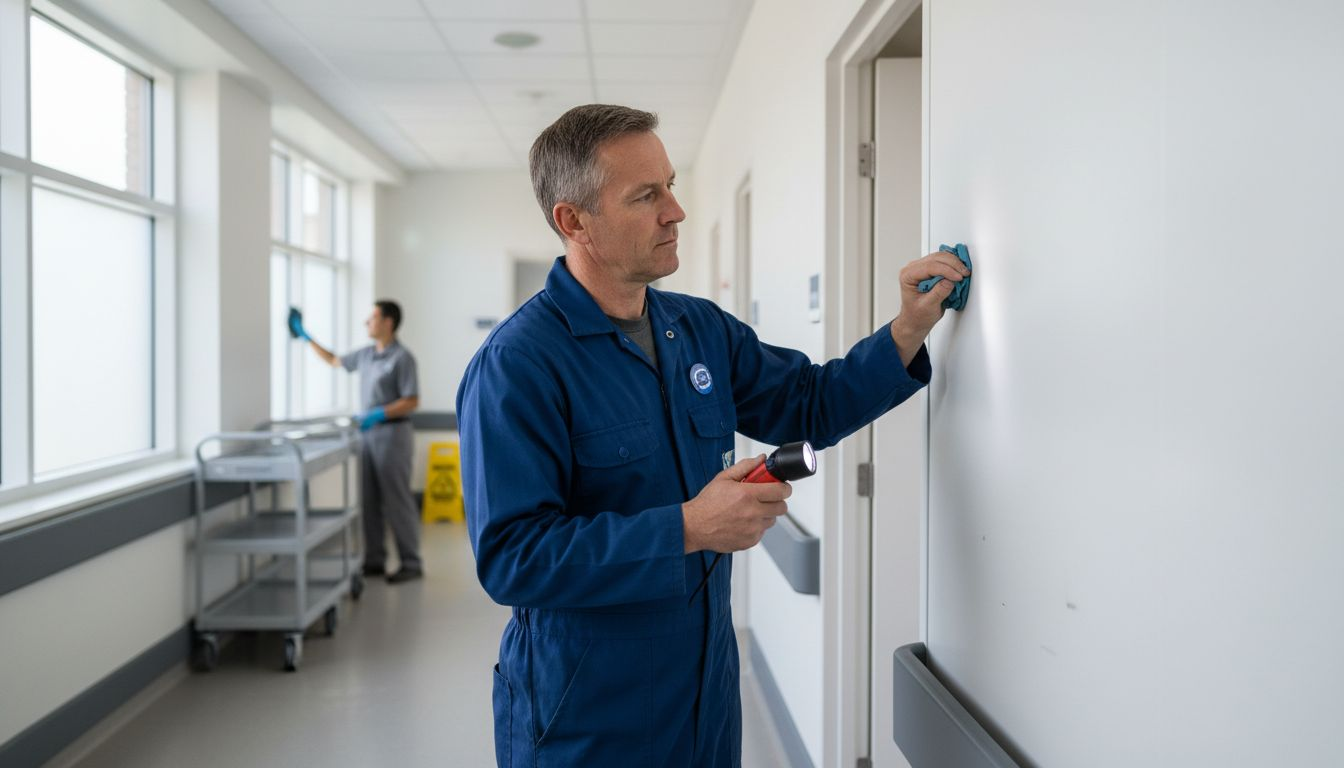
PVC Panels: 99.98% Bacterial Reduction for UK Hygiene Standards
Facility managers in UK healthcare and food service sectors face intense pressure to maintain strict infection control while managing budgets and minimising operational disruption. Antimicrobial PVC panels reduce pathogens such as MRSA by up to 99.98%, offering a proven solution that combines superior hygiene performance with durability and cost efficiency. This article explores how to select, install, and benefit from PVC wall cladding tailored for 2026 UK compliance requirements.
Table of Contents
How To Choose Hygienic PVC Panels: Selection Criteria
Hygienic Benefits Of PVC Panels: Infection Control & Cleaning Efficiency
Durability And Cost Efficiency: Long Lifespan And Maintenance Savings
Installation And Maintenance: Practical Considerations For Facility Managers
Comparing PVC Panels To Alternatives: Tiles, GRP, And Painted Plaster
Aesthetic And Design Flexibility: Customising PVC Panels For Your Facility
Situational Recommendations: Which PVC Panel Fits Your Facility Needs?
Explore Hygienic PVC Wall Cladding Solutions For UK Facilities
Frequently Asked Questions About PVC Panels In Hygiene-Sensitive Settings
Key Takeaways
Point | Details |
Superior hygiene performance | PVC panels deliver seamless, antimicrobial surfaces that eliminate bacterial harborage points common in traditional cladding. |
Cost savings over alternatives | Durability and low maintenance requirements reduce total ownership costs compared to tiles or GRP. |
Faster installation | PVC panels install quickly over existing surfaces, minimising facility downtime and operational disruption. |
Versatile design options | Wide range of colours, finishes, and thermoforming capabilities enable customisation without compromising hygiene standards. |
Compliance confidence | Panels meet UK FSA, HACCP, and BRCGS standards for healthcare and food service environments. |
How to Choose Hygienic PVC Panels: Selection Criteria
Selecting the right PVC wall cladding requires evaluating several critical factors that directly impact your facility’s hygiene standards, operational efficiency, and budget. Selection involves assessing hygiene, durability, compliance, installation, and maintenance considerations specific to healthcare and food service needs. You need a structured approach to match panel specifications with your environment’s demands.
Hygiene performance stands as the primary criterion. Seek seamless, non-porous surfaces that prevent bacterial colonisation and support rigorous cleaning protocols. Antimicrobial treatment adds an active defence layer against pathogens, particularly valuable in high-risk zones.
Durability determines lifecycle value. Your panels must withstand moisture exposure, physical impact from equipment and trolleys, and repeated exposure to harsh cleaning chemicals without degrading or discolouring. Understanding why use PVC panels in high-hygiene areas helps clarify performance expectations.
Compliance with UK regulations cannot be overlooked. Verify panels meet FSA food safety standards, HACCP requirements, and BRCGS certification criteria relevant to your sector. Documentation supporting these certifications protects you during inspections and audits.
Installation factors affect project timelines and costs. Panels that overlay existing walls reduce disruption and labour expenses. Consider panel weight, fixing methods, and compatibility with your facility’s substrate conditions.
Maintenance requirements shape long-term operational costs:
Cleaning frequency and chemical compatibility
Resistance to staining and discolouration
Ease of repair or panel replacement
Longevity of antimicrobial properties
Warranty coverage and manufacturer support
Aesthetic flexibility matters for maintaining professional appearance and brand identity. Modern PVC panels offer diverse finishes from clinical white to wood grain effects, allowing you to balance hygiene priorities with visual design goals.
Hygienic Benefits of PVC Panels: Infection Control & Cleaning Efficiency
PVC panels transform infection control by eliminating the structural vulnerabilities inherent in traditional wall finishes. Seamless, non-porous PVC surfaces eliminate grout lines that typically harbor bacteria, removing the primary contamination reservoir found in tiled walls. This fundamental design advantage reduces pathogen transmission risk throughout your facility.
The antimicrobial technology embedded in quality panels provides active protection. Silver ion additives or similar treatments work continuously to inhibit microbial growth on panel surfaces. This passive defence layer operates 24/7, complementing your cleaning schedules rather than depending solely on them.
Moisture resistance prevents the mould and fungal growth that plagues porous materials. PVC’s inherent waterproof properties protect wall cavities from moisture ingress, maintaining structural integrity while denying microorganisms the damp conditions they require. Exploring the benefits of PVC wall cladding reveals how this moisture barrier supports long-term hygiene.
Cleaning efficiency improves dramatically compared to tiles or painted surfaces. The smooth, impermeable finish allows disinfectants to work effectively without absorption or residue buildup. Your staff spend less time scrubbing grout lines and more time covering larger areas.
Key hygiene advantages include:
No grout lines or joints that trap bacteria and organic matter
Chemical resistance allowing use of hospital-grade disinfectants
Quick drying surfaces that reduce moisture dwell time
Visible cleanliness that supports staff compliance and public confidence
Reduced infection incidents translating to better patient outcomes
Compliance with UK hygiene standards becomes straightforward when your wall surfaces actively support infection control protocols rather than undermining them. PVC panels help you meet regulatory requirements while reducing the labour and chemical costs associated with maintaining acceptable hygiene levels.
Durability and Cost Efficiency: Long Lifespan and Maintenance Savings
Durability directly determines your wall cladding investment’s true value. PVC panels deliver exceptional performance under the demanding conditions typical of healthcare and food service facilities. High-density formulations resist impacts from trolleys, equipment, and daily operational wear that quickly damages softer materials.
Typical PVC panel lifespans range from 15 to 25 years with appropriate maintenance, substantially outlasting tiles (10 to 15 years) and painted surfaces (3 to 5 years). This longevity stems from PVC’s inherent stability and resistance to moisture, chemicals, and UV exposure. PVC panels reduce long-term maintenance costs by eliminating grout issues and lowering cleaning labour compared to alternatives.
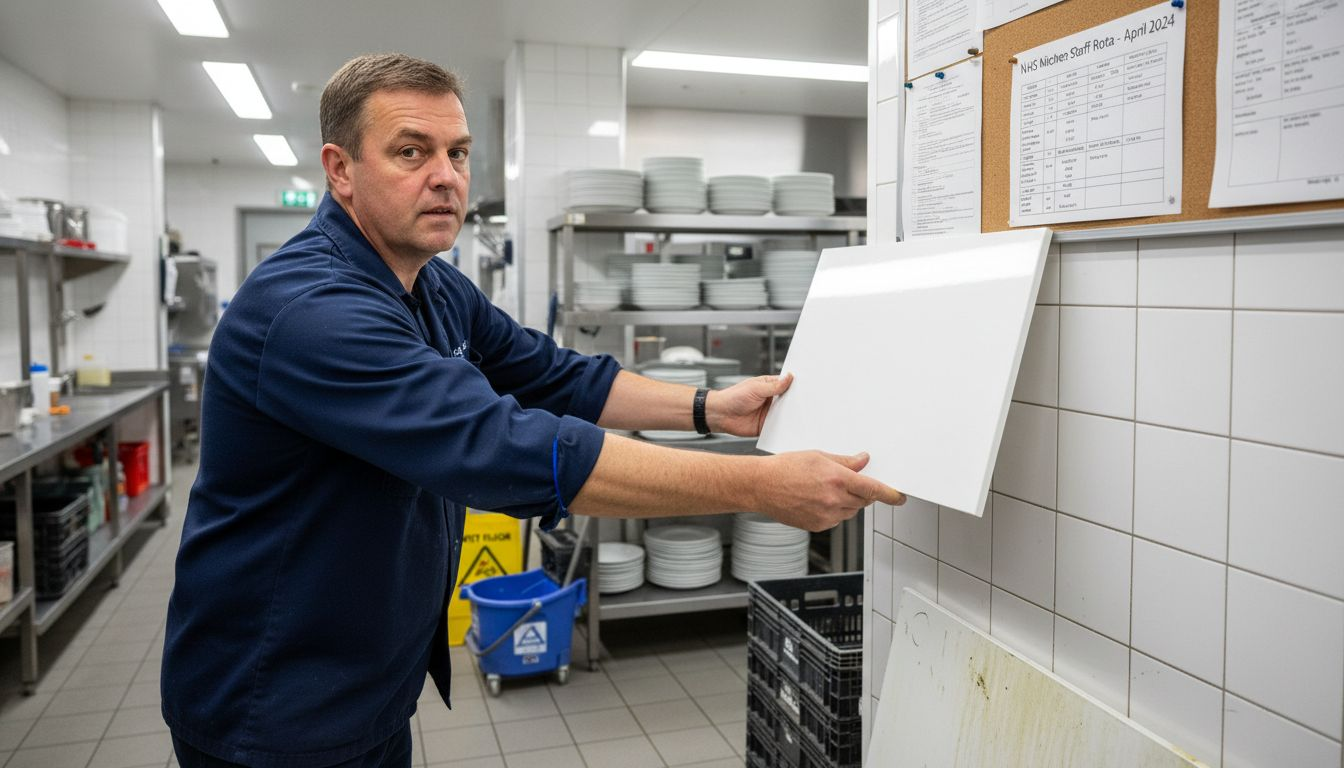
The absence of grout lines removes a major degradation pathway. Tiles require periodic regrouting as joints crack and discolour, each intervention involving labour costs, materials, and facility downtime. PVC’s seamless construction eliminates this recurring expense entirely.
Cost comparison over a 20-year period reveals significant savings:
Cladding Type | Initial Cost | Maintenance (20yr) | Replacement | Total Cost |
PVC Panels | £45/m² | £8/m² | £0 | £53/m² |
Ceramic Tiles | £35/m² | £25/m² | £35/m² | £95/m² |
GRP Panels | £55/m² | £15/m² | £0 | £70/m² |
Painted Plaster | £20/m² | £45/m² | £60/m² | £125/m² |
These figures account for cleaning labour, repairs, repainting, and regrouting cycles typical in busy facilities. Your actual costs vary based on usage intensity, but the relative advantages remain consistent.
Repair simplicity adds another cost benefit. Damaged individual panels can be replaced without disturbing surrounding areas, unlike tiles requiring removal of multiple units to maintain grout line alignment. Understanding the types of hygienic wall cladding available helps you select the optimal durability level for each facility zone.
Pro Tip: Specify antimicrobial-treated panels for high-risk zones like operating theatres and food preparation areas. The marginal upfront cost delivers maximum ROI by combining durability with active infection control where you need it most.
Installation and Maintenance: Practical Considerations for Facility Managers
Installation efficiency minimises disruption to your ongoing operations. Installation is typically faster and less disruptive than tile or GRP, often allowing application over existing surfaces without demolition. This overlay capability reduces project timelines from weeks to days for many applications.
The standard installation process follows these steps:
Assess and prepare existing wall surfaces, ensuring they are clean, dry, and structurally sound.
Install backing framework or battens if required, creating a level substrate.
Apply appropriate adhesive to wall surface and panel backs according to manufacturer specifications.
Fix panels securely, starting from corners and working systematically across wall areas.
Install trims, profiles, and corner joints to seal edges and create seamless transitions.
Inspect all joints and fixings, ensuring no gaps that could allow moisture ingress.
Your maintenance protocols preserve antimicrobial efficacy and surface integrity. Panels withstand daily cleaning with hospital-grade disinfectants, quaternary ammonium compounds, and chlorine-based solutions within manufacturer concentration limits. Avoid abrasive scrubbing pads that scratch surfaces and create microscopic harbourage sites.
Regular inspection identifies issues before they escalate. Check seal integrity around penetrations, corners, and floor-to-wall junctions quarterly. Address any gaps or lifting edges immediately to prevent moisture penetration behind panels.
Repair procedures are straightforward compared to tiled installations. Damaged panels can be cut out and replaced individually using the same adhesive and trim components. This targeted approach minimises costs and avoids the colour matching challenges inherent in painted finishes. Learning how to install PVC cladding for hygienic walls properly ensures optimal performance.
Pro Tip: Always follow manufacturer installation guidance precisely and use recommended adhesives and trims. Generic products may lack the moisture resistance or chemical compatibility needed in hygiene-critical environments, leading to premature panel failure and costly remediation.
Comparing PVC Panels to Alternatives: Tiles, GRP, and Painted Plaster
Understanding how PVC panels compare to traditional finishes clarifies their advantages for your facility. PVC panels eliminate bacterial harborage in grout unlike tiles, offer faster installation, and require lower maintenance. Each material brings distinct characteristics affecting hygiene, cost, and operational practicality.
Factor | PVC Panels | Ceramic Tiles | GRP Panels | Painted Plaster |
Hygiene | Seamless, antimicrobial | Grout harbours bacteria | Seamless but costly | Porous, degrades quickly |
Installation Speed | Fast, minimal disruption | Slow, labour intensive | Moderate, specialist skills | Quick but frequent repainting |
Maintenance | Low, simple cleaning | High, regular regrouting | Moderate, chemical sensitivity | Very high, constant touch-ups |
Repairability | Easy panel replacement | Difficult, colour matching | Moderate difficulty | Simple but temporary |
Lifespan | 15-25 years | 10-15 years | 15-20 years | 3-5 years |
Cost (20yr total) | £53/m² | £95/m² | £70/m² | £125/m² |
Ceramic tiles represent the traditional standard but bring significant drawbacks. Grout lines require regular cleaning, disinfection, and eventual replacement as they crack and discolour. Installation demands skilled labour and extended timelines, disrupting facility operations. The hard, cold aesthetic suits some clinical environments but offers limited design flexibility.
GRP (glass-reinforced plastic) panels provide seamless surfaces similar to PVC but at higher initial cost. They offer excellent chemical resistance and durability but can be brittle, cracking under impact. Installation requires specialist skills, and repairs are more complex than PVC.
Painted plaster remains the lowest initial cost option but delivers poor long-term value. Paint absorbs moisture, stains easily, and requires frequent reapplication. The porous surface harbours bacteria despite regular cleaning, making it unsuitable for high-hygiene environments.
PVC panel advantages:
Seamless installation eliminating bacterial harborage
Faster project completion reducing operational disruption
Lower lifecycle costs through durability and minimal maintenance
Easier repairs maintaining consistent appearance
Superior moisture resistance preventing structural damage
Considerations when selecting PVC:
Higher initial cost than tiles or paint
Requires proper substrate preparation for optimal adhesion
Limited heat resistance compared to tiles in extreme conditions
Some designs may show scratches in very high traffic areas
Understanding why choose PVC wall panels over alternatives helps you make informed procurement decisions aligned with your facility’s priorities and budget constraints.
Aesthetic and Design Flexibility: Customising PVC Panels for Your Facility
Modern PVC panels deliver professional aesthetics that support your brand identity while maintaining hygiene standards. The perception that hygienic cladding must look clinical and institutional no longer holds true. You can specify finishes ranging from classic white to sophisticated wood grain, stone effects, and metallic textures.
Colour options extend well beyond basic white. Popular choices include soft greys, warm creams, and neutral tones that create welcoming environments in patient areas while satisfying hygiene requirements. Brighter colours work well for wayfinding, departmental identification, or creating stimulating spaces in paediatric facilities.
Finish varieties accommodate different aesthetic goals:
High gloss surfaces for maximum light reflection and easy cleaning
Satin finishes reducing glare while maintaining cleanability
Textured patterns adding visual interest without compromising hygiene
Wood grain and stone effects bringing warmth to clinical spaces
Metallic finishes for modern, high-specification areas
Thermoforming technology enables complex architectural details while preserving seamless construction. Corners, curves, and custom shapes can be created without joints or seams that compromise hygiene. This capability allows you to match existing architectural features or create distinctive design elements.
The seamless appearance projects professionalism and attention to detail valued by patients, clients, and inspectors. Visual cleanliness supports staff compliance with hygiene protocols and builds public confidence in your facility’s standards. Reviewing colour options for hygienic PVC cladding reveals the breadth of aesthetic possibilities.
Customisation extends to panel dimensions and configurations. Standard sheets suit most applications, but custom sizing accommodates unusual wall heights or minimises joints in specific installations. Understanding why use PVC wall panels across diverse facility types demonstrates their aesthetic versatility.
Situational Recommendations: Which PVC Panel Fits Your Facility Needs?
Matching panel specifications to your specific facility requirements optimises performance and value. Different zones within healthcare and food service environments demand different panel characteristics based on usage intensity, infection risk, and operational demands.
Rigid antimicrobial panels suit high-traffic healthcare corridors, patient rooms, and surgical preparation areas. The enhanced durability withstands impacts from equipment and trolleys, while active antimicrobial treatment provides continuous pathogen reduction. Specify these panels where infection control is paramount and traffic intensity is high.
Flexible PVC panels excel in commercial kitchens and food preparation areas featuring complex layouts with multiple corners, curves, and architectural details. The material’s flexibility simplifies installation around equipment, pipework, and irregular surfaces. These panels maintain hygiene standards while accommodating the physical constraints typical of retrofit projects.
Standard rigid panels deliver excellent performance in administrative areas, storage rooms, and lower-risk zones where budget constraints are primary concerns. These panels provide the hygiene benefits and durability of PVC at the lowest cost point, making them ideal for large-area applications with moderate demands.
Your panel selection process should follow this framework:
Identify infection risk levels for each facility zone based on activities and vulnerable populations.
Assess traffic intensity, equipment usage, and physical impact probability.
Determine compliance requirements specific to healthcare, food safety, or other applicable regulations.
Evaluate budget constraints and lifecycle cost priorities.
Consider aesthetic requirements and brand identity goals.
Match panel specifications (antimicrobial treatment, thickness, finish) to each zone’s priority factors.
Exploring uses for hygienic PVC wall cladding across different facility types provides practical guidance for your specific application. The investment in antimicrobial treatment pays dividends in high-risk areas but may be unnecessary in low-risk storage zones where standard panels suffice.
Explore Hygienic PVC Wall Cladding Solutions for UK Facilities
Implementing the right hygienic wall cladding solution requires access to quality products and reliable supply chains. Nationwide hygienic PVC wall cladding suppliers provide the panels, trims, and accessories needed for healthcare and food service installations across the UK.
Comprehensive product ranges include panels in multiple thicknesses, finishes, and antimicrobial specifications suited for diverse facility needs. You’ll find corner trims, edge profiles, and joining strips that create seamless installations meeting the highest hygiene standards. Understanding uses for hygienic PVC wall cladding helps you specify complete systems rather than individual components.
Support extends beyond product supply to technical guidance on panel selection, installation planning, and maintenance protocols. Accessing adhesive and accessories for hygienic wall cladding ensures you source compatible fixing materials that preserve panel performance and warranty coverage. Fast delivery timelines help you maintain project schedules and minimise facility disruption.
Frequently Asked Questions about PVC Panels in Hygiene-Sensitive Settings
What makes PVC panels more hygienic than tiles?
PVC panels eliminate grout lines that trap bacteria, moisture, and organic matter in tiled installations. The seamless, non-porous surface prevents microbial colonisation and simplifies cleaning, while antimicrobial treatments actively inhibit pathogen growth.
How long do PVC wall panels typically last in healthcare environments?
Quality PVC panels deliver 15 to 25 years of service in demanding healthcare settings with proper installation and maintenance. Their durability stems from moisture resistance, chemical tolerance, and impact strength that withstands daily operational demands.
Can PVC panels be installed over existing wall surfaces?
You can install PVC panels over sound existing surfaces including painted plaster, old tiles, and properly prepared concrete or blockwork. This overlay capability reduces demolition costs and project timelines significantly compared to complete wall reconstruction.
Are antimicrobial PVC panels necessary for food service areas?
Antimicrobial panels provide valuable additional protection in commercial kitchens and food preparation zones where pathogen control is critical. While standard PVC offers good hygiene performance, antimicrobial treatment adds active defence against bacteria that cause foodborne illness.
What maintenance procedures preserve the antimicrobial properties of PVC panels?
Regular cleaning with approved disinfectants maintains antimicrobial efficacy without special procedures. Avoid abrasive cleaners or scrubbing pads that scratch surfaces. The antimicrobial treatment is integrated throughout the panel material, not just surface coating, ensuring lasting protection.
Recommended


Comments