

Commercial Wall Cladding: Hygiene and Compliance Impact
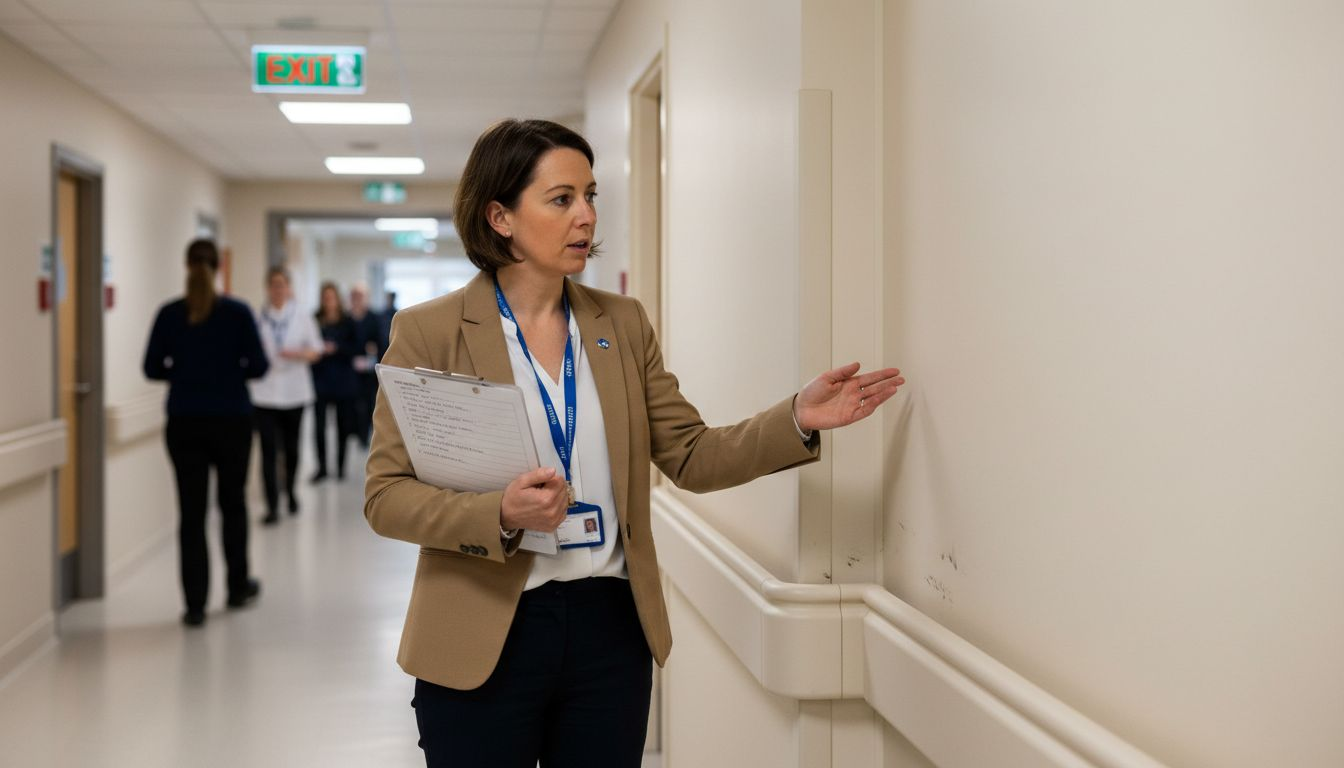
Protecting patients, staff, and customers starts with the surfaces that surround them. In UK healthcare and commercial kitchen settings, keeping walls spotless and compliant is not just a goal but a daily challenge. Choosing the right commercial wall cladding can mean the difference between effortless hygiene and constant worry. Hygienic wall cladding solutions offer robust defence against moisture, bacteria, and the busy demands of critical environments while supporting compliance with evolving UK regulations.
Table of Contents
Defining Commercial Wall Cladding Solutions
Types of Cladding for Hygienic Environments
Features Ensuring Hygiene and Durability
UK Legal and Compliance Requirements
Cost, Installation, and Common Alternatives
Key Takeaways
Point | Details |
Wall Cladding Importance | Commercial wall cladding serves critical functions including weather resistance, thermal regulation, and structural protection, essential for various commercial environments. |
Hygienic Materials | Selecting the appropriate cladding material is vital for maintaining hygiene, particularly in sensitive areas like healthcare and food preparation, with options like PVC and stainless steel being prominent. |
Compliance Requirements | Understanding UK regulations for wall cladding, including fire safety and environmental assessments, is crucial for ensuring safety and legal compliance in commercial projects. |
Cost Considerations | Facility managers should evaluate not only initial costs but also total lifecycle costs, including maintenance and durability, to make informed investment decisions. |
Defining Commercial Wall Cladding Solutions
Commercial wall cladding represents a sophisticated architectural solution designed to protect, enhance, and transform commercial building surfaces. Cladding systems in commercial architecture provide protective exterior layers that serve multiple critical functions beyond mere aesthetic appeal.
At its core, wall cladding is an engineered protective layer installed over existing wall structures, creating a robust barrier against environmental challenges. These systems are strategically designed to deliver comprehensive performance across several key dimensions:
Weather resistance to protect against moisture and external elements
Thermal regulation to improve building energy efficiency
Structural protection for underlying building materials
Hygienic surface management in sensitive commercial environments
Aesthetic customisation to support architectural design objectives
The fundamental purpose of commercial wall cladding extends far beyond simple decoration. Modern cladding solutions represent a complex intersection of material science, architectural engineering, and functional design. Commercial environments like healthcare facilities, food preparation areas, and industrial settings demand wall coverings that can withstand intense operational conditions while maintaining strict hygiene standards.
Understanding wall cladding requires recognising its multifaceted role in building performance. These systems are not merely surface treatments but sophisticated architectural interventions that balance practical requirements with aesthetic considerations. Architects and facility managers must carefully evaluate material properties, environmental conditions, and specific operational needs when selecting appropriate wall cladding solutions.
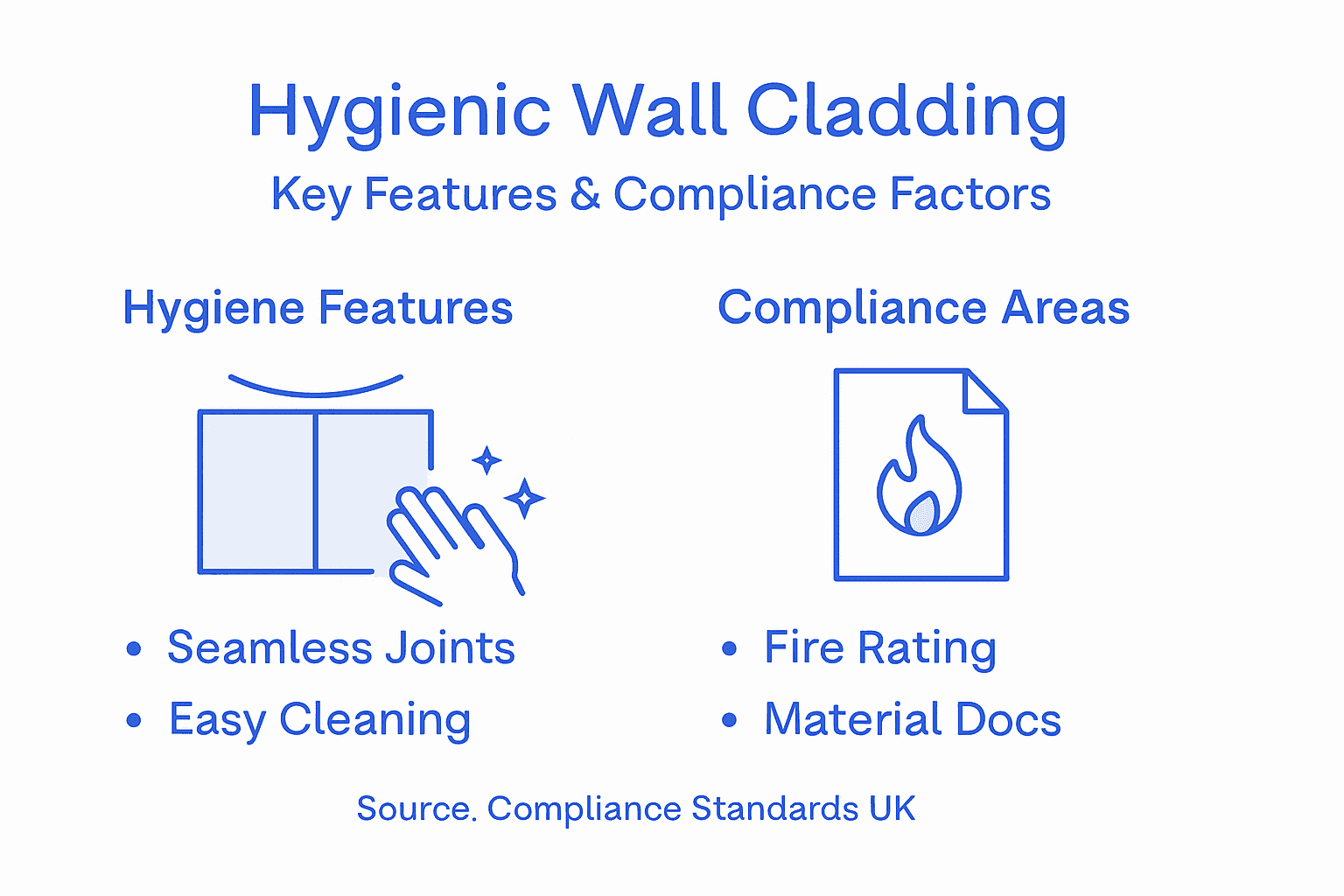
Pro tip: When selecting wall cladding, prioritise materials that offer seamless integration, ease of cleaning, and demonstrated durability in your specific commercial environment.
Types of Cladding for Hygienic Environments
Navigating the landscape of wall cladding for hygienic environments requires understanding the diverse materials and technologies available. Hygienic wall cladding solutions represent a critical infrastructure element for maintaining cleanliness and compliance in sensitive commercial spaces.
Commercial environments with stringent hygiene requirements demand specialised wall cladding materials that offer exceptional performance characteristics. The most prevalent types of cladding for hygienic spaces include:
PVC Wall Panels: Lightweight, non-porous, and easy to clean
Stainless Steel Cladding: Highly durable and resistant to bacterial growth
Hygienic Composite Panels: Offering seamless installation and superior moisture resistance
Epoxy Resin Cladding: Providing chemical and impact resistance
Antimicrobial Coated Panels: Specifically designed to inhibit microbial growth
Each cladding type presents unique advantages tailored to specific environmental challenges. Stainless steel cladding, for instance, excels in food preparation areas due to its inherent resistance to bacterial colonisation and ease of sterilisation. Similarly, PVC wall panels offer exceptional moisture protection and can be quickly sanitised, making them ideal for healthcare and food processing environments.
The selection of appropriate wall cladding extends beyond mere surface treatment. Facility managers must consider multiple factors including temperature fluctuations, chemical exposure, impact resistance, and cleaning protocol compatibility. Understanding these nuanced requirements ensures optimal performance and long-term hygiene maintenance in critical commercial spaces.
Here’s a comparison of popular hygienic wall cladding materials and their typical commercial applications:
Cladding Material | Ideal Commercial Use | Hygiene Advantage | Typical Maintenance Level |
PVC Wall Panels | Hospitals, kitchens | Seamless, moisture resistance | Low |
Stainless Steel Cladding | Food prep, laboratories | Non-porous, easy sterilisation | Moderate |
Composite Panels | Cleanrooms, pharmaceutical | Fewer joints, moisture proof | Low |
Epoxy Resin Cladding | Industrial, chemical areas | Chemical/impact resistant | Moderate |
Antimicrobial Panels | Clinics, sensitive production | Active bacterial inhibition | Low |
Pro tip: Prioritise wall cladding solutions that offer seamless installation, minimal joints, and smooth surfaces to prevent bacterial accumulation and simplify cleaning procedures.
Features Ensuring Hygiene and Durability
Commercial wall cladding solutions demand sophisticated features that transcend basic surface protection. Hygienic wall panels in high-risk areas represent critical infrastructure for maintaining stringent cleanliness standards in sensitive environments.
The key features ensuring exceptional hygiene and durability in wall cladding solutions encompass multiple critical performance characteristics:
Non-Porous Surface Composition: Prevents bacterial infiltration and microbial growth
Seamless Joint Design: Eliminates potential contamination zones
Chemical Resistance: Withstands aggressive cleaning and sanitisation protocols
Impact and Abrasion Tolerance: Maintains structural integrity under intense operational conditions
Temperature Stability: Performs consistently across diverse environmental ranges
Antimicrobial technologies play a pivotal role in modern wall cladding solutions. These advanced surface treatments actively inhibit bacterial colonisation, creating an additional layer of protection beyond traditional material properties. Sophisticated coating technologies transform wall surfaces from passive barriers into active hygiene management systems.
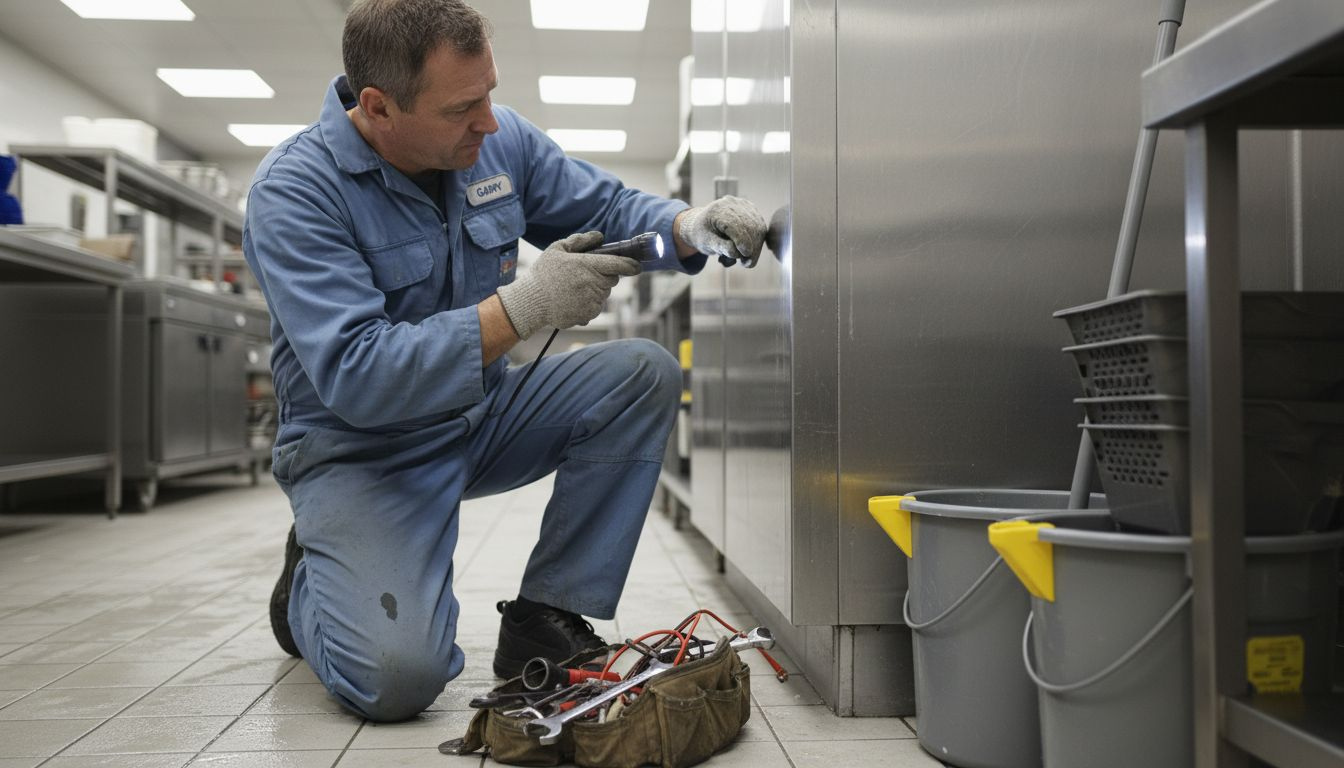
Understanding the complex interplay between material science and environmental performance is crucial for facility managers. Wall cladding must not only resist physical degradation but also maintain its hygienic properties through repeated cleaning cycles, chemical exposures, and mechanical stresses. The most effective solutions integrate multiple protective mechanisms to ensure long-term performance and compliance.
Pro tip: Conduct regular surface integrity assessments to identify potential compromises in wall cladding performance before they become significant hygiene risks.
UK Legal and Compliance Requirements
Commercial wall cladding solutions in the United Kingdom must navigate a complex landscape of regulatory requirements designed to ensure safety, environmental performance, and public protection. Building regulations for cladding systems have become increasingly stringent, particularly in the wake of recent safety concerns surrounding building infrastructure.
The critical legal and compliance requirements for commercial wall cladding encompass several key regulatory domains:
Fire Safety Regulations: Mandatory compliance with PAS9980:2022 standards
Material Performance Standards: Documented thermal and structural integrity testing
Environmental Impact Assessment: Evidence of sustainable material selection
Health and Safety Compliance: Adherence to workplace protection guidelines
Construction Industry Regulations: Comprehensive documentation and certification requirements
Regulatory frameworks have evolved significantly, with recent legislative amendments placing heightened emphasis on comprehensive risk assessment and material performance. The Building Regulations Amendment (England) Regulations 2023 introduce more rigorous requirements for clients, designers, and contractors, mandating detailed documentation and stringent safety protocols for wall cladding installations.
Facility managers and construction professionals must remain vigilant about maintaining comprehensive compliance documentation. This involves not only selecting appropriate materials but also ensuring meticulous installation practices, maintaining detailed performance records, and conducting regular safety assessments that align with current UK regulatory standards.
This summary highlights key compliance considerations for UK commercial wall cladding decision-makers:
Compliance Area | Typical Documentation Required | Business Impact |
Fire Safety | Fire resistance and PAS9980:2022 report | Safety assurance |
Material Performance | Test certificates, product specifications | Regulatory acceptance |
Environmental Assessment | Sustainability report, sourcing evidence | Green building credentials |
Health & Safety | Installation risk assessments | Worker protection |
Construction Regulations | Manufacturer certifications, installation log | Legal contract fulfilment |
Pro tip: Maintain a comprehensive compliance portfolio documenting material specifications, installation procedures, and periodic safety assessments to demonstrate regulatory adherence.
Cost, Installation, and Common Alternatives
Commercial wall cladding represents a significant investment for organisations, with life cycle costs influencing long-term decision making. Understanding the financial and practical implications of different cladding solutions is crucial for facility managers seeking optimal performance and value.
The primary alternatives for commercial wall cladding encompass several key material options:
PVC Wall Panels: Cost-effective, lightweight, and quick to install
Stainless Steel Cladding: Durable but higher initial investment
Aluminium Composite Panels: Versatile with moderate pricing
Fibre Cement Boards: Robust and fire-resistant
Glass Reinforced Plastic (GRP): Lightweight with excellent longevity
Installation complexity varies significantly across these alternatives. Material selection involves careful consideration of multiple factors including initial cost, maintenance requirements, thermal performance, and long-term durability. Professionals must evaluate not just the upfront expense but the total cost of ownership, including installation, maintenance, and potential replacement intervals.
Economic considerations extend beyond simple material costs. Installation efficiency, labour requirements, and potential disruption to existing operations play critical roles in the overall financial assessment. Some materials require specialised skills or longer installation times, which can substantially increase project expenses beyond the raw material price.
Pro tip: Request detailed life cycle cost analysis from manufacturers, comparing not just initial purchase price but comprehensive performance metrics including maintenance, durability, and potential energy efficiency gains.
Elevate Commercial Hygiene and Compliance with Premium Wall Cladding Solutions
Protecting your commercial environment goes beyond appearances. The article highlights the vital need for wall cladding that offers seamless installation, non-porous surfaces, and robust compliance with UK regulations such as PAS9980:2022. If you are a facility manager or contractor striving to maintain rigorous hygiene standards while meeting legal requirements, finding a reliable source for high-quality hygienic wall panels is essential. Key challenges include ensuring durability under intense cleaning regimes and achieving seamless surfaces to prevent bacterial growth.
At Hygienic Sheets, we specialise in supplying premium PVC wall cladding and accessories designed specifically for demanding environments such as healthcare, commercial kitchens, and food preparation areas. Our solutions offer waterproof, easy-to-clean surfaces combined with competitive pricing and fast nationwide delivery across the UK. Benefit from our extensive product range, which supports compliance and durability, helping you create hygienic, safe, and compliant commercial spaces.
Take control of your commercial wall cladding needs today with expertly crafted products tailored to hygiene and regulatory demands. Explore our full selection of hygienic PVC wall panels, trims, and installation accessories at Hygienic Sheets and ensure your project meets the highest standards with ease and confidence.
Frequently Asked Questions
What is the purpose of commercial wall cladding?
Commercial wall cladding serves to protect and enhance building surfaces by providing weather resistance, thermal regulation, structural protection, hygienic surface management, and aesthetic customisation.
What types of wall cladding are suitable for hygienic environments?
Common types of wall cladding for hygienic environments include PVC wall panels, stainless steel cladding, hygienic composite panels, epoxy resin cladding, and antimicrobial coated panels.
How do I choose the right wall cladding for my commercial space?
Selecting suitable wall cladding involves evaluating material properties, environmental conditions, cleaning protocols, and specific operational needs to ensure optimal performance in a given commercial environment.
What are the key compliance requirements for commercial wall cladding?
Key compliance requirements include adherence to fire safety regulations, material performance standards, environmental impact assessments, health and safety compliance, and thorough documentation for construction industry regulations.
Recommended
Comments