

7 Innovative Bathroom Cladding Ideas for Contractors
Updated: Feb 2
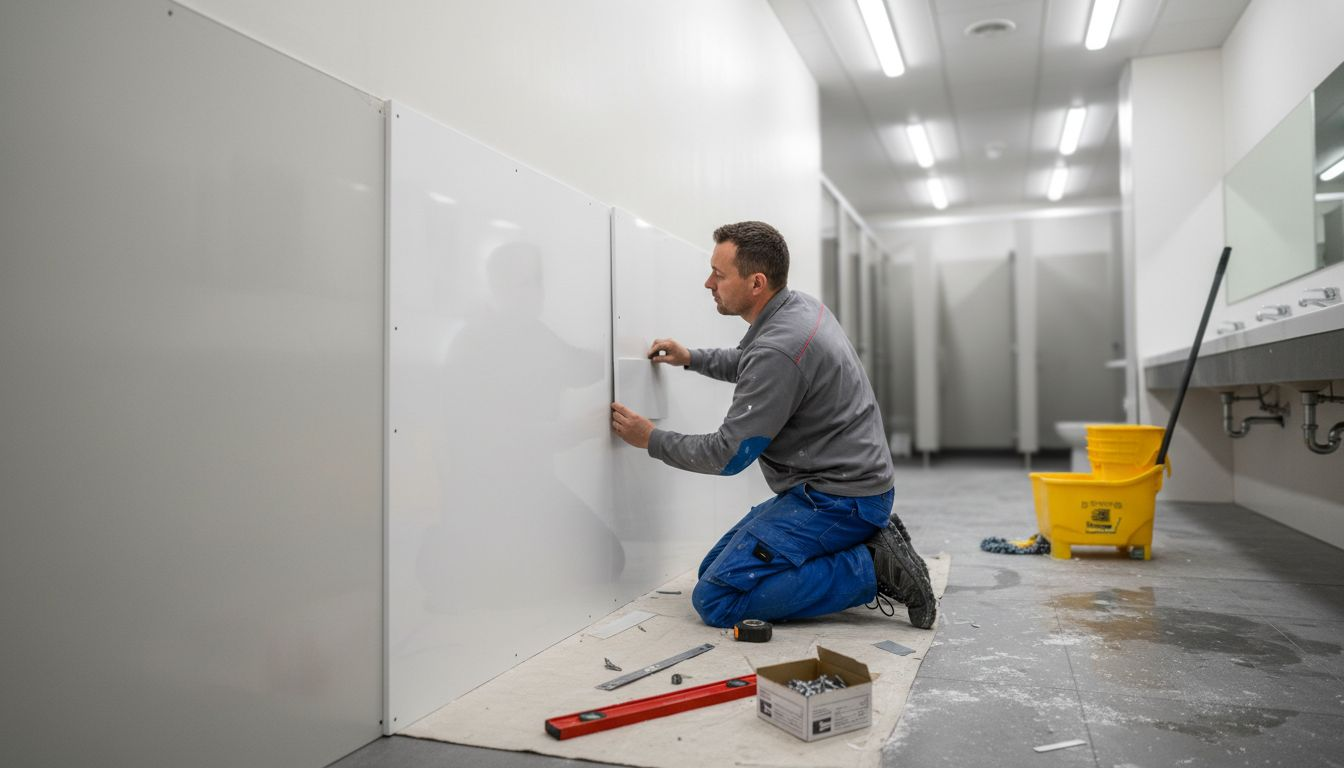
Maintaining high hygiene standards in commercial or healthcare bathrooms often feels like a constant battle against dirt, moisture and ongoing maintenance issues. The right cladding choices can make all the difference when it comes to both cleanliness and long-term durability. When surfaces harbour bacteria or allow damp to set in, even the most thorough cleaning routines cannot guarantee a safe environment.
This guide reveals practical, proven solutions that address the biggest challenges professionals face in bathroom design and renovation. You will discover the most effective strategies for achieving easy maintenance, preventing mould, and ensuring safety. Each insight is built on the latest industry standards and design innovations, so you can confidently transform any bathroom space with real-world results.
Table of Contents
Choose Hygienic PVC Wall Cladding for Easy Maintenance
Use Waterproof Panels to Prevent Mould and Damp
Select Slip-Resistant Finishes for Safety
Opt for Quick-Fit Cladding Systems to Speed Up Installation
Match Colours and Styles to Commercial Design Needs
Utilise ISO-Certified Cladding for Compliance
Incorporate Seamless Edges and Corner Joints for Cleanliness
Quick Summary
Takeaway | Explanation |
1. Choose Hygienic PVC Wall Cladding | Opt for hygienic PVC for low-maintenance, durable bathroom surfaces that resist bacteria and moisture. |
2. Use Waterproof Panels for Protection | Waterproof panels prevent mould and structural damage by creating an impermeable moisture barrier. |
3. Prioritise Slip-Resistant Finishes | Select materials with high slip resistance ratings to enhance safety and prevent accidents in wet areas. |
4. Opt for Quick-Fit Cladding Systems | Use quick-fit systems for efficient installation and reduced complexity during bathroom renovation projects. |
5. Incorporate Seamless Edges and Joints | Choose cladding with seamless edges to minimise bacterial growth and simplify cleaning in bathroom environments. |
1. Choose Hygienic PVC Wall Cladding for Easy Maintenance
Contractors seeking low-maintenance bathroom solutions should seriously consider hygienic PVC wall cladding. This innovative material offers remarkable cleaning efficiency and durability, making it an exceptional choice for healthcare, commercial, and high-traffic bathroom environments.
Hygienic PVC wall cladding provides a non-porous surface that actively resists dirt and bacterial accumulation. By preventing bacterial growth, these panels maintain superior hygiene standards with minimal effort.
Key benefits of choosing hygienic PVC wall cladding include:
Completely waterproof surface
Simple cleaning and maintenance
Resistant to mould and mildew
Seamless installation with no grout lines
Long-lasting durability
Hygienic wall cladding eliminates traditional cleaning challenges by creating a smooth, impenetrable surface that can be wiped clean effortlessly.
The material’s design emphasises seamless joint integration, which means fewer places for bacteria to accumulate. Professional installers appreciate how these panels can be quickly fitted without complicated preparation, reducing overall project time.
Moisture resistance is another critical advantage. Unlike traditional tiling, PVC wall cladding prevents water penetration, protecting underlying wall structures from potential damage in high-humidity bathroom environments.
Pro tip: Always select wall cladding panels with specific healthcare-grade certification to ensure maximum hygienic performance and compliance with stringent cleaning standards.
2. Use Waterproof Panels to Prevent Mould and Damp
Professional contractors know that preventing moisture damage is crucial in bathroom environments. Waterproof panels offer a strategic solution for protecting walls against persistent mould and damp challenges.
Moisture in bathrooms creates significant health risks and structural problems. Waterproof panels create an impermeable protective barrier that stops water penetration and prevents potential respiratory hazards associated with mould growth.
Key advantages of waterproof bathroom panels include:
Complete moisture resistance
Preventing structural wall damage
Reducing potential health risks
Easy cleaning and maintenance
Long-term durability
Waterproofing is not just about aesthetics. It is a critical health and structural protection strategy.
Contractors should understand that bathroom moisture management involves more than surface-level solutions. Proper waterproofing requires selecting panels specifically designed to create a seamless moisture barrier.
Different waterproofing technologies offer varying levels of protection. Some panels utilise polyurethane coatings, while others incorporate advanced synthetic membranes that actively repel water and prevent bacterial growth.
Pro tip: Always conduct a comprehensive moisture assessment before panel installation to identify potential water ingress points and select the most appropriate waterproof cladding solution.
3. Select Slip-Resistant Finishes for Safety
Safety should always be a top priority for contractors designing bathroom spaces. Building codes mandate specific safety standards for slip-resistant surfaces to prevent accidents and protect users.
Slip-resistant finishes are crucial in bathroom environments where water and moisture create significant fall risks. These specialised surfaces provide essential protection against accidents by improving traction and reducing the likelihood of dangerous slips.
Key considerations for slip-resistant bathroom cladding include:
Coefficient of friction ratings
Surface texture variations
Material durability
Compliance with safety regulations
Ease of cleaning
Slip resistance is not just a design choice. It is a critical safety requirement for responsible bathroom construction.
Contractors must understand the technical aspects of slip resistance. The coefficient of friction measures how much grip a surface provides, with higher ratings indicating better traction in wet conditions.
Modern bathroom cladding technologies offer multiple slip-resistant options. Textured panels, micro-grooved surfaces, and specialised coatings can significantly enhance safety without compromising aesthetic appeal.
Pro tip: Always request independent slip resistance test certificates when selecting bathroom cladding materials to ensure they meet current safety standards and building regulations.
4. Opt for Quick-Fit Cladding Systems to Speed Up Installation
Contractors are constantly seeking ways to reduce installation time and complexity in bathroom renovation projects. Cladding installation systems now offer remarkable efficiency that dramatically streamline construction processes.
Quick-fit cladding systems represent a significant advancement in modern construction techniques. These innovative solutions provide standardised panel configurations that enable rapid on-site assembly with minimal technical expertise.
Key advantages of quick-fit cladding systems include:
Reduced installation time
Minimal on-site cutting required
Consistent panel alignment
Lower labour costs
Simplified mechanical fixing methods
Efficiency in construction is not about working harder. It is about working smarter with the right technological solutions.
The mechanical fixing approach allows contractors to integrate panels quickly while maintaining precise alignment. Precut standardised panels eliminate much of the traditional measuring and adjustment work that typically slows down bathroom renovation projects.
Modern quick-fit systems can also integrate seamlessly with waterproofing layers, providing comprehensive protection while maintaining installation speed. This approach reduces potential errors and ensures a more reliable final result.
Pro tip: Always confirm panel dimensions and review manufacturer installation guidelines before commencing work to ensure maximum efficiency and compatibility with your specific project requirements.
5. Match Colours and Styles to Commercial Design Needs
Commercial bathroom design requires strategic colour selection that goes beyond aesthetic appeal. Colour coordination guidelines can transform functional spaces into professional environments that reflect brand identity.
Successful commercial bathroom design relies on understanding the psychological impact of colour. Different colour schemes communicate various emotional and professional messages to users, making selection critically important for contractors.
Key principles of colour matching include:
Implementing the 60-30-10 colour rule
Considering brand identity
Supporting functional zoning
Maintaining visual consistency
Respecting industry-specific design expectations
Colour is not just decoration. It is a strategic communication tool in commercial design.
The 60-30-10 colour rule provides a systematic approach to colour selection. This principle suggests using 60% dominant colour for large surfaces like wall cladding, 30% for secondary elements, and 10% for accent features that draw attention.
Contractors should collaborate closely with designers to select cladding colours that integrate seamlessly with the broader interior design strategy. Material finishes and colour palettes must support both aesthetic and functional requirements of the commercial space.
Pro tip: Always request colour samples and conduct lighting tests to ensure the selected wall cladding colours maintain their intended visual impact under different lighting conditions.
6. Utilise ISO-Certified Cladding for Compliance
Contractors seeking to demonstrate professional excellence must prioritise internationally recognized material standards. ISO certification represents a critical benchmark for quality and safety in construction materials.
ISO-certified cladding provides contractors with a robust framework for meeting stringent regulatory requirements. These certifications ensure consistent performance and reliability across diverse commercial environments.
Key advantages of ISO-certified cladding include:
Global recognition of quality standards
Simplified regulatory compliance
Demonstrable material performance
Enhanced client confidence
Reduced project risk
ISO certification is not merely a badge. It is a comprehensive guarantee of material excellence and professional integrity.
Inspection bodies accredited under ISO standards conduct rigorous assessments of construction materials. Technical compliance verification helps contractors navigate complex building regulations with greater assurance.
By selecting ISO-certified cladding, professionals can mitigate potential risks associated with material performance. These certifications cover critical aspects such as fire resistance, structural integrity, and environmental sustainability.
Pro tip: Request complete ISO certification documentation from manufacturers and verify the specific standards applicable to your project before final material selection.
7. Incorporate Seamless Edges and Corner Joints for Cleanliness
Contractors focused on delivering superior hygiene standards must prioritise innovative joint design strategies. Seamless edges and meticulously engineered corner joints are critical for maintaining optimal cleanliness in bathroom environments.
Traditional construction methods often create microscopic gaps and crevices that become breeding grounds for bacteria. Advanced cladding technologies now offer sophisticated solutions that eliminate these potential contamination points.
Key advantages of seamless edge systems include:
Preventing bacterial accumulation
Simplified cleaning processes
Enhanced visual aesthetics
Improved moisture resistance
Reduced long-term maintenance requirements
Seamless joints are not merely a design choice. They represent a fundamental approach to maintaining hygienic environments.
Most modern cladding systems incorporate specially designed corner joints that create a continuous surface. Rounded edge configurations further enhance cleaning efficiency by removing sharp angles where dirt and moisture can collect.
Contractors should select cladding materials with integrated sealing mechanisms that provide complete coverage and eliminate potential moisture ingress. Professional-grade systems use precision-engineered profiles that lock together seamlessly.
Pro tip: Always inspect corner joint alignments during installation and use specialised silicone sealants designed for hygienic environments to ensure maximum protection against moisture and bacterial growth.
Below is a comprehensive table summarising the key topics and recommendations discussed throughout the article on hygienic PVC wall cladding and bathroom panel solutions.
Focus Area | Key Features & Benefits | Recommendations |
Hygienic PVC Wall Cladding | Non-porous surface resisting bacterial growth, completely waterproof, durable, and mould-resistant. | Select healthcare-grade certified panels for maximum hygienic performance and standards. |
Waterproof Panels | Impermeable barrier prevents mould, damp, and structural damage, easy to clean and long-lasting. | Conduct a moisture assessment before installation for optimal water ingress management. |
Slip-Resistant Finishes | Enhanced traction with texture options, durable materials, and compliance with safety standards. | Request independent slip resistance test certificates to ensure regulatory adherence. |
Quick-Fit Cladding Systems | Rapid installation with precut panels, reduced labour costs, consistent alignment, and easy fixing. | Confirm panel dimensions and follow manufacturer guidelines for efficient installation. |
Colour and Style Matching | Utilise professional colour schemes supporting design consistency and brand identity integration. | Apply the 60-30-10 rule creatively and test colours under varied lighting conditions. |
ISO-Certified Panels | Materials meet stringent global quality and safety standards ensuring reliable performance. | Verify ISO certifications with manufacturers to comply with regulatory requirements. |
Seamless Edges & Joints | Eliminates bacterial accumulation points, simplifies maintenance, and improves aesthetics. | Inspect installation for correct edge alignment and utilise specialised hygienic silicone sealants. |
Elevate Your Bathroom Projects with Hygienic PVC Wall Cladding
Contractors aiming to overcome common bathroom challenges such as moisture damage, bacterial growth and slip risks need reliable, easy-to-install solutions. The article highlights pain points like the need for waterproofing, hygiene maintenance and conformity to safety standards. Our range of ISO-certified hygienic PVC wall cladding directly addresses these issues with non-porous, slip-resistant surfaces that simplify cleaning and provide lasting durability.
Discover the benefits of seamless joints, quick-fit installation systems and a wide choice of colours and finishes tailored for commercial environments at Hygienic Sheets. Act now to reduce project delays, enhance safety compliance and impress clients with professional-grade bathroom cladding. Visit our site to explore our full product range and place your order for fast nationwide delivery. See why contractors trust our expertise to deliver hygienic, moisture-resistant solutions for every bathroom project.
Frequently Asked Questions
What are the main advantages of using hygienic PVC wall cladding in bathrooms?
Hygienic PVC wall cladding offers several benefits, including a non-porous surface that resists dirt and bacterial growth, making maintenance easier. To maximise hygiene standards, consider installing these panels in areas with high foot traffic or where cleanliness is crucial.
How can I ensure effective waterproofing in bathroom installations?
Effective waterproofing requires selecting panels specifically designed to create a seamless moisture barrier. Always conduct a comprehensive moisture assessment before installation to identify potential ingress points and choose the best waterproof cladding solution.
What should I look for in slip-resistant finishes when choosing bathroom cladding?
When selecting slip-resistant finishes, focus on coefficient of friction ratings and surface textures that enhance safety. Request independent slip resistance test certificates to verify that the materials comply with current safety regulations.
How can quick-fit cladding systems save time during bathroom renovations?
Quick-fit cladding systems allow for rapid assembly with standardised panel configurations, significantly reducing installation time. To improve efficiency, check the panel dimensions and follow manufacturer installation guidelines before starting the project.
How do I choose the right colours for commercial bathroom design?
Selecting the right colours involves applying the 60-30-10 colour rule and considering the emotional impact of colour on users. Collaborate with designers to select wall cladding colours that align with your overall interior design strategy and brand identity.
Why is ISO certification important for bathroom cladding materials?
ISO certification ensures that cladding materials meet international quality and safety standards, reducing project risk. Always request the ISO certification documentation from manufacturers to confirm that the materials comply with the relevant standards for your project.
Recommended


Comments